

1060 Bulatan Aluminium 1mm untuk Periuk Tekanan: Kertas Putih Industri Terunggul
saya. Ringkasan Eksekutif: Perjalanan Global Cakera Logam
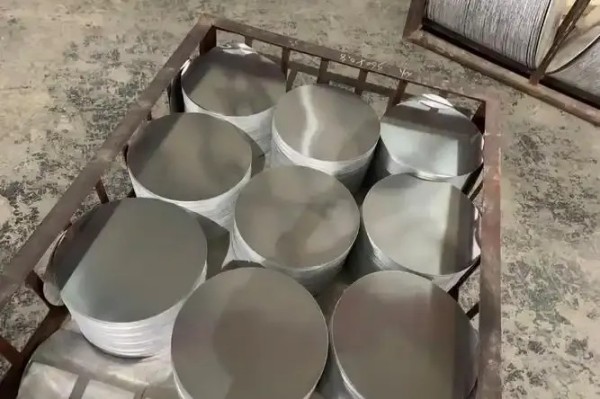
Dalam arus globalisasi, periuk tekanan yang kos efektif dan ringan mungkin memulakan hayatnya pada talian pengecap di Vietnam, menjalani salutan PTFE di Jerman, dan akhirnya mendarat di atas dapur dapur di Amerika Syarikat. Lebih kerap daripada tidak, titik permulaan perjalanan ini ialah a 1060 Lingkaran aluminiumberasal dari China atau Asia Tenggara.
Didorong oleh permintaan berterusan pengguna global untuk cepat masak, kecekapan tenaga, dan pengendalian ringan, The 1060 Bulatan Aluminium telah mengukuhkan dirinya sebagai tulang belakang mutlak pembuatan periuk tekanan moden. Anggaran industri mencadangkan bahawa berbilion-bilion cakera aluminium dicop ke dalam alat memasak setiap tahun.
Panduan ini akan membawa anda ke luar. Kami akan menyelam jauh ke dalam dunia mikroskopik sains material, menavigasi landskap makro rantaian bekalan global, dan menyediakan pembedahan 360 darjah 1060 bulatan aluminium—dari relau peleburan hingga ke meja makan moden.

II. Menyelam dalam: The “Kod Genetik” dari 1060 Aluminium
Untuk benar-benar memahami mengapa 1060 adalah raja bahan periuk tekanan yang tidak dapat dipertikaikan, kita mesti mengezum ke tahap atom.
2.1 Keajaiban ≥99.6% Kesucian
1060 tergolong dalam siri 1xxx aluminium tulen komersial. Dalam metalurgi, apakah tahap ketulenan 99.6% sebenarnya bermaksud?
- Karnival Elektron Bebas (terma & Kekonduksian elektrik):Logam mengalirkan haba melalui pergerakan elektron bebas. Semakin tinggi kesuciannya, semakin sedikit atom bendasing hadir untuk menyerakkan elektron ini. Inilah sebabnya 1060 aluminium mempunyai kekonduksian haba yang sangat tinggi (lebih kurang 234 W/m · k)—jauh melebihi keluli tahan karat (sekeliling 16 W/m · k). Harta ini membenarkan periuk tekanan mencapai suhu memasak hampir serta-merta, menjimatkan sejumlah besar tenaga.
- Perisai Anti-Pengoksidaan Semulajadi (Rintangan kakisan):Aluminium sangat reaktif. Namun begitu, apabila terdedah kepada udara, permukaannya serta-merta bertindak balas dengan oksigen untuk membentuk padat, tabah, dan lapisan ultra-nipis Aluminium Oksida (Al₂O₃). Filem pasif ini bertindak sebagai penghalang yang tidak dapat ditembusi terhadap kelembapan dan oksigen. Kerana 1060 sangat suci, lapisan oksida ini terbentuk secara seragam, memberikan alat memasak tahan karat dan kakisan jangka panjang yang luar biasa.
2.2 Peranan Penting Unsur Surih (Fe, Dan, Dengan Baki)
manakala 1060 ditakrifkan oleh kandungan aluminiumnya, selebihnya <0.4% unsur surih (terutamanya Besi, Silikon, dan Tembaga) bertindak sebagai ditentukur dengan teliti “perasa” oleh saintis bahan:
- Besi (Fe) & Silikon (Dan):Ini biasanya wujud sebagai sebatian antara logam (mis., Al₃Fe, α-AlFeSi). Dalam jumlah terkawal, mereka menapis struktur butiran dan meningkatkan suhu penghabluran semula, dengan itu meningkatkan kekuatan aluminium tanpa menjejaskan keplastikannya dengan teruk.
- Tembaga (Cu):Berbanding dengan 1050 aluminium tulen, 1060 mengandungi sejumlah kecil kuprum. Kuprum menyediakan pengukuhan larutan pepejal kepada matriks aluminium, memberi 1060 sifat anti-kedut yang lebih baik dan gloss permukaan yang lebih baik berbanding dengannya 1050 rakan sejawat.
2.3 The “Kubik Berpusatkan Muka” Rahsia Kristal
Dalam kristalografi, aluminium secara semula jadi mempunyai a Kubik Berpusatkan Muka (FCC) struktur kristal. Struktur FCC menampilkan bilangan sistem gelincir yang tinggi (12 secara keseluruhan). Ini bermakna apabila daya luaran dikenakan (seperti semasa mengecap dan melukis), lapisan atom boleh menggelongsor antara satu sama lain dengan mudah tanpa memutuskan ikatan logam. Ciri atom intrinsik ini adalah sebab asas mengapa 1060 aluminium boleh menahan ubah bentuk yang melampau untuk membentuk dalam, periuk lancar tanpa retak.
III. Konteks Pasaran Global: Bekalan & Peta Permintaan bagi 1060 Aluminium
Memahami kedudukan anda dalam landskap global adalah penting untuk membuat keputusan perniagaan yang bijak.
- Kuasa Pembuatan (China & Asia):China menguasai pasaran bulatan aluminium global, memanfaatkan rantaian bekalan aluminium elektrolitik bersepadu yang lengkap, teknologi rolling matang, dan kos tenaga yang sangat kompetitif.
- Enjin Meningkat (Tenggara & Asia Selatan):Apabila hab pembuatan berkembang pesat di Vietnam, Thailand, dan India, permintaan tempatan untuk pertengahan hingga mewah 1060 cakera aluminium melonjak.
- Pasaran Premium (Eropah & Amerika Utara):Jumlah permintaan adalah tinggi, tetapi halangan untuk masuk adalah ketat. Pembeli di sini memerlukan pematuhan yang ketat (FDA, pensijilan LFGB), kualiti permukaan yang sempurna untuk anodisasi mewah, dan penyelesaian tersuai (seperti asas komposit serasi aruhan).
- Mengemudi Halangan Perdagangan:Dengan meningkatkan langkah anti lambakan terhadap produk aluminium China di beberapa wilayah, jenama alat memasak multinasional menerima pakai a “China + 1” strategi penyumberan untuk mengurangkan risiko.

IV. Pembuatan Dinyahkod: Dari Jongkong ke Bulatan Aluminium Selesai
4.1 Meleleh & Pemutus: Yayasan
Semuanya bermula dengan mencairkan jongkong ketulenan tinggi. Kuncinya di sini ialah menapis. Sistem penapisan dan penyahgasan lanjutan digunakan untuk membuang kemasukan bukan logam dan gas hidrogen daripada aluminium cair. Kegagalan berbuat demikian mengakibatkan lubang jarum dan kecacatan permukaan kemudian dalam proses.
4.2 homogenisasi & Rolling panas
Jongkong tuang dipanaskan pada suhu tertentu untuk menghomogenkan struktur dalaman sebelum disalurkan melalui satu siri kilang gelek panas yang besar.. Gulungan panas memecahkan struktur tuangan kasar, menapis bijirin, dan mendorong pembentukan tekstur gentian seragam. Ini sangat penting untuk mencapai pemanjangan tinggi yang diperlukan untuk lukisan dalam.
4.3 Rolling sejuk & Penyepuhlindapan Ketepatan
Untuk mencapai ketebalan tepat 1.0mm, bahan mengalami penggulungan sejuk. Proses penyepuhlindapan pertengahan dan akhir yang tepat (selalunya menggunakan garisan penyepuhlindapan jalur berterusan) kemudiannya digunakan untuk mencapai yang diingini O-temper (disepuh sepenuhnya)negeri, memaksimumkan kelembutan dan kemuluran.
4.4 Pengosongan Ketepatan (Gunting Bulatan)
Akhirnya, jalur bergelung dimasukkan ke dalam penekan kosong berkelajuan tinggi yang dilengkapi dengan acuan bulat khusus. Untuk aplikasi periuk tekanan, tepi yang dipotong mestilah licin sempurna, bebas burr, dan bebas daripada keretakan tepi untuk mengelakkan koyak semasa proses lukisan dalam yang seterusnya.
V. Spesifikasi Teknikal & Perbandingan Aloi
5.1 Parameter Teknikal Utama
Jadual berikut menggariskan spesifikasi standard untuk 1060 Bulatan Aluminium 1mm digunakan dalam pembuatan periuk tekanan.
| Parameter | Spesifikasi | Nota Teknikal |
|---|---|---|
| Aloi, | 1060, | Aluminium Komersial Ketulenan Tinggi |
| Ketebalan, | 1.0 mm, | The “Sweet Spot” untuk periuk tekanan ringan |
| Temperatur, | O / H12 / H14, | O-temperamat disyorkan untuk lukisan dalam |
| Diameter, | 100 – 1000 mm | Boleh disesuaikan berdasarkan kapasiti periuk |
| Kandungan Al, | ≥ 99.6% | Menjamin kekonduksian terma yang optimum |
| Proses, | Digulung Panas / Gulung Sejuk | Gulung panas untuk lukisan dalam; Gulung sejuk untuk kemasan permukaan |
| Permohonan, | Periuk tekanan, Periuk Elektrik, Asas Komposit | – |
5.2 Analisis Aloi Persaingan
Bagaimana 1060 bertindan menentang alternatif biasa? Jadual di bawah menyediakan perbandingan pantas untuk membantu dalam pemilihan bahan.
| Aloi | Kekonduksian terma | Lukisan Dalam | Kekuatan | Permohonan Utama |
|---|---|---|---|---|
| 1060, | Cemerlang, | Cemerlang, | Sederhana | Periuk tekanan, Alat Memasak Am, |
| 1050, | Cemerlang | Sangat Baik | Rendah Sedikit | Alat Memasak Am, Panel Hiasan |
| 3003, | Baik | Baik | Lebih tinggi, | Alat Memasak Berkekuatan Tinggi, Alat bakar |
Kelebihan Strategik daripada 1060:Tindak balas haba yang unggul, prestasi lukisan dalam yang stabil, keserasian rawatan permukaan yang sangat baik, dan keberkesanan kos yang tinggi.
VI. Buku Main Bengkel: Menguasai Proses Setem
Mendapatkan bahan yang baik hanyalah separuh daripada perjuangan; mengetahui cara memprosesnya dengan sempurna adalah separuh lagi. Berikut ialah panduan praktikal untuk pasukan kejuruteraan anda:
6.1 Pelinciran Setem
- Pemilihan:Aluminium lembut dan terdedah kepada pedih (melekat pada die). Gunakan kelikatan tinggi, tekanan melampau (EP) pelincir pengecap yang dirumus khusus untuk logam ringan.
- Permohonan:Aplikasi seragam melalui pelapis roller sangat disyorkan. Minyak terlalu sedikit menyebabkan koyak; terlalu banyak menyebabkan kedutan.
6.2 Reka Bentuk Mati & Pembersihan
- Pembersihan Mati:Tetapkan kelegaan unilateral antara pukulan dan mati pada kira-kira 1.1 ke 1.2 kali ketebalan bahan, (1.1mm – 1.2mm untuk stok 1.0mm). Kelegaan yang ketat menyebabkan pemarkahan; pelepasan yang berlebihan menggalakkan kedutan.
- Jejari Mati (R):Gunakan jejari kemasukan die yang besar (biasanya 3 ke 5 kali ketebalan bahan) untuk mengurangkan tekanan lukisan dan mengelakkan keretakan pada sudut badan periuk tekanan.
6.3 Pasukan Pemegang Kosong (BHF) Kawalan
- BHF yang tidak mencukupi menyebabkan kedutan teruk di kawasan bebibir.
- BHF yang berlebihan meningkatkan geseran, membawa kepada koyak bahagian bawah.
- Untuk Petua:Gunakan spring nitrogen atau sistem kusyen hidraulik untuk mengekalkan pemalar, tekanan yang dikalibrasi dengan tepat sepanjang strok.
6.4 Orientasi Setem
Sentiasa perhatikan arah guling cakera aluminium (biasanya ditunjukkan dengan anak panah). Untuk hasil yang optimum dan untuk meminimumkan anting-anting, selaraskan paksi utama cetakan setem anda pada a 45-sudut darjahkepada arah gelek bahan.
VII. Kawalan kualiti & Pematuhan
7.1 Senarai Semak Kawalan Kualiti
Untuk memastikan keselamatan dan prestasi periuk tekanan akhir, The 1060 bulatan aluminium mesti menjalani pemeriksaan yang ketat.
| Item QC | Kaedah Pengesanan | Kriteria Penerimaan | Kesan pada Produk Akhir |
|---|---|---|---|
| Kawalan Tolok, | Mikrometer / Tolok X-ray | ±0.02mm | Memastikan pemanasan seragam dan mengelakkan terik |
| Kualiti permukaan, | Visual / Pengimbas Optik | Tiada calar, minyak, pengoksidaan | Mencegah kecacatan salutan (mata ikan) |
| Sifat Tegangan, | Mesin Pengujian Tegangan | Pemanjangan ≥ 25% (O-temper) | Menentukan kadar kejayaan lukisan dalam |
| Kadar Subang, | Ujian Regangan | < 3%, | Memaksimumkan hasil bahan dan memastikan kerataan rim |
7.2 Pematuhan & Keselamatan: Merentasi Sempadan Antarabangsa
Jika anda bercadang untuk menjual periuk tekanan di Eropah atau Amerika Utara, bahan mentah anda mesti lulus audit keselamatan yang ketat.
- USA (FDA 21 CFR 175.300):Mengawal selia bahan yang dimaksudkan untuk sentuhan makanan. 1060Ketulenan yang tinggi memastikan ia mudah lulus ujian larut lesap logam berat (memimpin, Kadmium, Arsenik).
- Eropah (LFGB & DGCCRF):Piawaian Jerman dan Perancis ini sangat ketat. Mereka mensimulasikan keadaan memasak yang melampau untuk mengukur penghijrahan ion aluminium ke dalam makanan berasid dan berlemak. Menyumber daripada pembekal bertauliah seperti Huawei Aluminium memastikan anda mempunyai laporan ujian pihak ketiga yang diperlukan (mis., SGS) untuk membersihkan kastam dan memasuki pasar raya.
- China (GB 4806.9):Pematuhan piawaian logam gred makanan domestik adalah wajib untuk pasaran China.
VIII. Sempadan Inovasi: Masa Depan 1060 Aluminium
Didorong oleh kemampanan dan permintaan pengguna yang berkembang, yang merendah diri 1060 cakera aluminium sedang berkembang secara senyap-senyap:
- Teknologi Ultra-Penipisan:Melalui pemprosesan termo-mekanikal yang dioptimumkan, pengilang kini boleh menghasilkan 1060 cakera setipis 0.4mm yang masih mengekalkan keupayaan melukis dalam yang luar biasa, membuka jalan untuk ultra-ringan “alat memasak awan.”
- Kejuruteraan Permukaan Struktur Mikro:Dengan mengubah tekstur mikroskopik permukaan aluminium (mis., melalui letupan atau etsa tembakan khusus), penyelidik mencipta permukaan yang menggunakan Kesan Leidenfrostuntuk mencapai semula jadi, sifat tidak melekat fizikal bebas kimia.
- Kitar Semula Gelung Tertutup & Aluminium Rendah Karbon:Dengan pelaksanaan Mekanisme Pelarasan Sempadan Karbon yang semakin hampir (CBAM) di Eropah, menggunakan “Aluminium Hijau” (dihasilkan menggunakan kuasa hidro) atau aluminium sekunder kitar semula menjadi satu keperluan bagi pengeksport. Ini bukan sahaja mengurangkan jejak karbon tetapi juga bertindak sebagai alat pemasaran yang berkuasa.
IX. Kelas Induk Perolehan: Mengira Kos Sebenar
Untuk profesional perolehan dan pemilik perniagaan, membeli cakera aluminium bukan hanya tentang “harga setiap tan.” Ia adalah mengenai pengiraan Jumlah Kos Pemilikan (TCO).
9.1 Perkara yang Perlu Diperiksa Semasa Audit Kilang?
Apabila melawat pembekal yang berpotensi, abaikan pembentangan jualan dan semak tiga bidang ini:
- Adakah relau lebur mempunyai penyahgas dalam talian dan penapisan buih seramik?, (Ini menentukan kekukuhan dalaman dan kualiti permukaan).
- Adakah kilang gelek sejuk adalah dirian 4-tinggi atau 6-tinggi dengan AGC (Kawalan Tolok Automatik)?, (Ini menjamin toleransi ketebalan dan kerataan).
- Apakah jenis peralatan blanking yang mereka gunakan?, (Gunting putar ketepatan menghasilkan tepi yang lebih bersih daripada guillotine tradisional).
9.2 The “Ujian Lap Aseton” & Pemeriksaan Contoh Lain
Apabila anda menerima sampel, lakukan ujian mudah ini: gosok permukaan dengan kuat dengan kain kapas putih yang direndam dalam aseton. Jika kain menjadi hitam, cakera mempunyai minyak penggelek sisa yang berlebihan. Ini akan menjadikannya hampir mustahil untuk dibersihkan dengan betul, tidak dapat tidak membawa kepada “kawah” (mata ikan) dalam salutan tidak melekat terakhir anda.
9.3 Penyumberan Strategik & Pengurusan Inventori
- Mengunci Harga Asas:Formulanya ialah
Final Price = LME/Local Exchange Aluminum Ingot Price + Processing Fee. Belajar membaca trend pertukaran logam dan kunci harga asas dengan pembekal anda semasa pasaran menurun. - VMI (Inventori Terurus Vendor): Berunding dengan pembekal anda yang dipercayai untuk mewujudkan program VMI di mana mereka menyimpan stok 1060 cakera di gudang berhampiran kilang anda. Anda hanya membayar untuk bahan semasa ia digunakan, mengurangkan ikatan modal kerja anda secara drastik.
X. Soalan Lazim Peringkat Pakar
S1: Di bawah mikroskop, bagaimana premium dan subpar 1060 cakera berbeza?
A:Berkualiti tinggi, disepuh sepenuhnya 1060 aluminium mempamerkan seragam, struktur butiran terhablur semula sama (biasanya Gred ASTM 5-7). Bahan berkualiti rendah selalunya kekal kasar, butiran kolumnar atau lengan dendritik, yang membawa kepada anting-anting yang teruk dan ubah bentuk yang tidak sekata semasa pengecapan.
S2: Apakah cara terbaik untuk menguji kebolehlukisan kumpulan baharu cakera aluminium?
A:Kelakuan a Ujian Piala Swiftatau Ujian Piala Kon Fukui. Dengan meregangkan cakera sehingga patah menggunakan set die standard, anda boleh mengukur nisbah lukisan mengehadkan (LDR). Ketinggian kubah yang lebih tinggi menunjukkan potensi lukisan dalam yang unggul.
S3: Bagaimana seharusnya 1060 cakera disimpan untuk mengelakkan kemerosotan?
A:Manakala aluminium adalah tahan kakisan, 1060 aluminium tulen sangat sensitif terhadap Ion klorida (Cl⁻). Kawasan penyimpanan mestilah kering, berventilasi baik, dan diasingkan sepenuhnya daripada agen pembersih atau asap berasid. Di samping itu, elakkan menyusun terlalu banyak gegelung berat terus di atas satu sama lain untuk mengelakkan “menyekat” (cakera bercantum bersama di bawah tekanan).
S4: Mengapa retakan halus kadang-kadang muncul pada tepi periuk yang dilukis?
A:Ini biasanya disebabkan oleh Strain Stretcher, (atau kumpulan Lüders). Ia berlaku apabila bahan mengalami sedikit penuaan semula jadi selepas bergolek, mewujudkan titik hasil tidak berterusan. Penyelesaiannya adalah dengan meminta “pra baran” atau “dikurangkan cahaya” bahan daripada pembekal anda untuk menghapuskan dataran hasil sebelum dicop.
XI. Kesimpulan: Makrokosmos Dalam Mikrokosmos
Seperti yang telah kami tunjukkan, The 1060 Bulatan Aluminium 1mm untuk Periuk Tekananjauh lebih daripada sekadar sekeping logam yang dicop. Ia adalah kemuncak sains material yang maju, kejuruteraan mekanikal ketepatan, kimia permukaan, dan logistik global yang kompleks.
Kekonduksian terma yang tiada tandingannya menjaga rasa dan pemakanan makanan kita, manakala kemulurannya yang luar biasa membolehkannya dibentuk menjadi moden, alat memasak ringan yang mentakrifkan dapur kontemporari.
Memandang ke hadapan, The 1060 cakera aluminium akan terus berkembang, didorong oleh enjin dwi inovasi teknologi dan tanggungjawab alam sekitar. Untuk pengeluar periuk tekanan, bekerjasama dengan seorang yang mahir dari segi teknikal, mematuhi global, dan pembekal didorong kualiti seperti Huawei Aluminiumadalah pelaburan paling strategik yang boleh anda buat untuk membina parit kompetitif yang berkekalan di lautan merah pasaran alat memasak global.