

Perbezaan Teras Antara 1050 dan 1060 Cakera aluminium
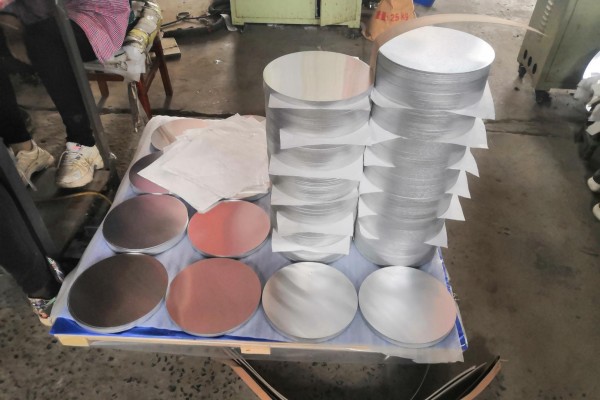
Cakera aluminium adalah antara bahan aluminium asas yang paling banyak digunakan.
Dengan keplastikan yang sangat baik, kekonduksian terma, dan rintangan kakisan, ia berfungsi sebagai bahan mentah teras dalam pembuatan alat memasak, komponen pencahayaan, papan tanda lalu lintas, bahagian elektrik, dan aplikasi lukisan dalam. Dalam siri aluminium tulen (1xxx), 1050dan 1060 cakera aluminiumadalah dua produk yang paling biasa digunakan di pasaran.
Walaupun ia kelihatan serupa dan berkongsi sifat asas yang setanding—keduanya merupakan aluminium tulen industri ketulenan tinggi—banyak pembeli dan pengilang sering mengelirukan mereka semasa pemilihan bahan.
Dalam realiti, kedua-dua aloi ini mempamerkan perbezaan yang halus namun kritikal dalam komposisi kimia, sifat mekanikal, kebolehbaburan, kekonduksian haba/elektrik, dan kualiti permukaan. Setiap satu juga menawarkan kelebihan yang berbeza dalam kos dan kesesuaian aplikasi. Membezakan ciri-ciri mereka dengan tepat membolehkan syarikat memilih bahan mentah yang paling kos efektif berdasarkan keperluan pengeluaran, kedudukan produk, dan bajet.
Artikel ini menyediakan analisis komprehensif tentang perbezaan antara 1050 dan 1060 cakera aluminium untuk dijadikan rujukan lengkap untuk pemilihan bahan industri.
1. Definisi Asas & Gambaran Keseluruhan Parameter Utama
1.1 1050 Cakera aluminium: Aluminium Tulen Tujuan Am yang Kos Berkesan
1050 cakera aluminium tergolong dalam siri 1xxx standard kebangsaan aluminium tulen industri, dengan kandungan aluminium tidak kurang daripada 99.5%.
Mereka mewakili yang sangat serba boleh, bahan asas yang mengekalkan kelebihan teras aluminium tulen: rintangan kakisan yang sangat baik, kekonduksian haba dan elektrik yang stabil, kebolehbentukan yang luar biasa, dan kebolehkimpalan dan pengecapan yang mudah.
Ciri -ciri ini dibuat 1050 sesuai untuk sebahagian besar teknik pemprosesan konvensional. Terima kasih kepada prestasi yang seimbang dan harga yang berpatutan, 1050 adalah bahan pilihan untuk aplikasi awam dan industri.
Spesifikasi tipikal:
- Perangai: O, H12, H14
- Julat ketebalan: 0.3mm – 6.0mm
- Julat diameter: 80mm – 1200mm
- Kemasan permukaan: Kemasan kilang standard, memenuhi kebanyakan keperluan pengeluaran konvensional.
1.2 1060 Cakera aluminium: Bahan Khas Ketulenan Tinggi untuk Pemprosesan Dalam
1060 cakera aluminium juga tergolong dalam siri 1xxx tetapi mempunyai ketulenan aluminium yang tinggi ≥99.6%, dengan tahap kekotoran berkurangan dengan ketara berbanding dengan 1050.
Ketulenan yang lebih tinggi ini meningkatkan kemuluran, prestasi yang mendalam, estetika permukaan, dan kekonduksian sambil meminimumkan isu biasa dalam pemprosesan mendalam—seperti keretakan, kebolehbentukan yang lemah, dan kecacatan permukaan. Oleh itu, 1060 adalah aloi khusus pilihan untuk mewah, produk yang diproses secara mendalam.
Dari segi dimensi dan perangai, 1060 sejajar rapat dengan 1050. Perbezaan asas bukan terletak pada saiz tetapi pada ketulenan material dan faedah prestasi yang diperolehi.
2. Komposisi kimia: Punca Perbezaan Prestasi
Kesemua jurang prestasi antara kedua-dua aloi ini berpunca daripada variasi halus dalam komposisi kimia—terutamanya ketulenan aluminium dan kandungan kekotoran. Kekotoran yang lebih rendah dan ketulenan yang lebih tinggi menghasilkan keseragaman dan kestabilan mikrostruktur yang lebih besar, membawa kepada sifat keseluruhan yang unggul.
| Elemen | 1050 Cakera aluminium | 1060 Cakera aluminium |
|---|---|---|
| Aluminium (Al) | ≥99.5% | ≥99.6% |
| Silikon + Besi (Ya+Iman) | ≤0.40% | ≤0.35% |
| Tembaga (Cu) | ≤0.05% | ≤0.05% |
| Mangan (Mn) | ≤0.05% | ≤0.03% |
| Magnesium (Mg) | ≤0.05% | ≤0.03% |
| Zink (Zn) | ≤0.05% | ≤0.05% |
Data jelas menunjukkan bahawa 1060 mempunyai ketulenan aluminium yang lebih tinggi dan jumlah kekotoran yang lebih rendah (Ya+Iman) serta kandungan Mn dan Mg yang dikurangkan. Pengurangan ini mengurangkan ketidakkonsistenan struktur dalaman, meningkatkan keliatan dan keseragaman dengan ketara.
Namun begitu, ini merupakan peningkatan kecil; dalam senario pemprosesan standard, perbezaan praktikal adalah minimum. Perbezaan menjadi ketara hanya dalam aplikasi ketepatan tinggi dan pemprosesan mendalam.

3. Sifat mekanikal: Mengimbangi Kekuatan dan Kemuluran
Sifat mekanikal secara langsung menentukan prestasi cakera aluminium dalam pengecapan, melukis, dan rintangan ubah bentuk. 1050 dan 1060 menawarkan ciri-ciri pelengkap yang disesuaikan dengan keperluan pemprosesan yang berbeza.
| Harta | 1050 Cakera aluminium | 1060 Cakera aluminium |
|---|---|---|
| Kekuatan tegangan | 60–95 MPa | 55–95 MPa |
| Kekuatan hasil | ≥20 MPa | ≥18 MPa |
| Kadar Pemanjangan | 20–35% | 25–40% |
| Kekerasan | Tinggi Sedikit | Rendah Sedikit |
| Kebolehbaburan | Cemerlang | unggul |
1050menawarkan kekerasan yang sedikit lebih tinggi, kekuatan hasil, dan kekuatan tegangan, memberikan rintangan yang lebih baik kepada ubah bentuk kecil. Ia sesuai untuk produk setem konvensional yang memerlukan kestabilan struktur. Sebaliknya, 1060memperdagangkan beberapa kekuatan untuk pemanjangan dan fleksibiliti yang jauh lebih tinggi, menghasilkan keliatan yang unggul dan rintangan retak. Ia adalah pilihan optimum untuk pembentukan kompleks dan proses ubah bentuk besar.
4. Prestasi Pemprosesan Dalam: Jurang Kritikal dalam Lukisan & Berpusing
Untuk produk yang memerlukan lukisan dalam atau berputar—seperti alat memasak dan penutup ketepatan—kebolehbentukan jauh lebih kritikal daripada kekuatan garis dasar. Di sinilah kriteria pemilihan utama antara kedua-dua aloi muncul.
4.1 1050 Cakera aluminium: Sesuai untuk Lukisan Sederhana-Cetek Konvensional
1050 memberikan kestabilan pengeluaran yang sangat baik dan kebolehbentukan putaran yang baik, dengan kadar hasil yang konsisten dan kos bahan mentah yang lebih rendah, menawarkan kecekapan kos yang kukuh. Namun begitu, pemanjangannya yang terhad menjadikannya hanya sesuai untuk lukisan sederhana cetek dan bentuk mudah.
Lukisan dalam atau kelengkungan kompleks boleh menyebabkan rekahan tepi dan tekstur tidak sekata. Aplikasi biasa termasuk kuali, alat memasak standard, penutup periuk, perumah lampu, dan papan tanda lalu lintas.
4.2 1060 Cakera aluminium: Dicipta untuk Lukisan Dalam Ketepatan Tinggi & Pembentukan Kompleks
1060 cemerlang dalam pemprosesan mendalam. Pemanjangannya yang lebih tinggi membolehkan kedalaman seri yang lebih besar dan kadar subang yang lebih rendah, berkesan mengurangkan keretakan, ubah bentuk, dan kecacatan tepi. Produk siap mempamerkan ketebalan dinding yang seragam dan geometri yang tepat.
Ia adalah bahan pilihan untuk inner periuk nasi, badan cerek elektrik, periuk tekanan, alat memasak tersuai mewah, dan komponen berputar ketepatan.

5. terma, Elektrik & Perbandingan Ketahanan Kakisan
5.1 Kekonduksian terma: Kelebihan Utama untuk Alat Memasak Premium
Prestasi terma adalah penting untuk alat memasak, secara langsung memberi kesan kepada keseragaman dan kecekapan pemanasan. 1050 mempunyai kekonduksian terma kira-kira 222 W/m · k, manakala 1060 mencapai 234 W/m · k. Ketulenan yang lebih tinggi daripada 1060 membolehkan pemindahan haba yang lebih cepat dan pelesapan yang lebih sekata, menghapuskan bintik panas dan meningkatkan prestasi memasak—sebab utama alat memasak premium menggemari aloi ini.
5.2 Kekonduksian elektrik: Penting untuk Komponen Elektrik
Dalam aplikasi elektrik, 1060 lagi memegang kelebihan. 1050 menawarkan tentang 61% IACSkekonduksian, sedangkan 1060 mencapai 62–63% IACS, memastikan pengaliran yang lebih stabil dengan kerugian yang lebih rendah. Akibatnya, 1060 adalah pilihan lalai untuk tin kapasitor, bar bas, kelengkapan konduktif, dan pemantul elektrik.
5.3 Rintangan kakisan: Hampir Sama
Kedua-dua aloi membentuk padat, lapisan oksida pelindung, memberikan rintangan kakisan yang sangat baik terhadap kelembapan, asid makanan yang lemah, suasana perindustrian, dan luluhawa luar. Oleh kerana jurang ketulenan yang minimum, prestasi kakisan mereka adalah hampir sama, menjadikan kedua-duanya sesuai untuk luaran, kebersihan, dan persekitaran industri.
6. Kualiti permukaan & Pertimbangan Kos
6.1 Kualiti permukaan: 1060 Menawarkan Kemasan Unggul
Terima kasih kepada ketulenan yang lebih tinggi dan kekotoran yang lebih sedikit, 1060 ciri cakera yang lebih licin, permukaan tapak yang lebih halus bebas daripada kecacatan zarah. Semasa anodizing, menggilap, atau salutan, ia menghasilkan warna yang lebih seragam, kilauan yang lebih tinggi, dan pemantulan yang lebih baik—menghasilkan penampilan yang nyata lebih premium. Ini menjadikan 1060 pilihan untuk bahagian hiasan mewah, lekapan lampu reflektif, dan alat memasak premium. 1050 menyediakan kerataan yang mencukupi untuk keperluan estetik standard.
6.2 Kos: 1050 Memberi Nilai Lebih Besar
Kos adalah penting dalam pengeluaran berskala besar. Sedangkan kos pemprosesan adalah setanding, 1060Keperluan ketulenan bahan mentah yang lebih ketat biasanya membuatnya 1–3% lebih mahaldaripada 1050 (tertakluk kepada turun naik pasaran). Untuk produk komoditi volum tinggi, jurang ini diterjemahkan kepada penjimatan yang ketara, mengukuhkan peranan 1050 dalam pembuatan terdorong kos.
7. Perbandingan Medan Aplikasi
Berdasarkan kekuatan mereka yang berbeza dalam kesucian, kebolehbaburan, kekonduksian, kualiti permukaan, dan kos, 1050 dan 1060 melayani pasaran tersegmen yang jelas merentasi lima sektor utama.
7.1 Aplikasi Utama bagi 1050 Cakera aluminium
- Alat memasak:Item yang dilukis sederhana cetek seperti kuali, kuali tidak melekat, penutup, dan periuk stok—di mana pembentukan stabil dan pemindahan haba yang mencukupi memenuhi keperluan pasaran besar-besaran.
- Pencahayaan:Perumah dan tapak lampu standard tanpa pemantulan yang ketat atau permintaan tekstur.
- Trafik & Luar:Papan tanda jalan dan aluminium hiasan luar asas, memanfaatkan rintangan kakisan yang boleh dipercayai.
- Fabrikasi Perindustrian:Bahagian bercop generik, komponen kepingan logam, dan kepungan peralatan tertumpu pada kebolehprosesan dan hasil.

7.2 Aplikasi Utama bagi 1060 Cakera aluminium
- Alat Memasak Premium:Ditarik secara mendalam, barangan berbentuk kompleks seperti pelapik periuk nasi, badan cerek, periuk tekanan, dan alat memasak gourmet—mengutamakan pembentukan dan prestasi terma yang sempurna.
- Ketepatan Elektrik:Tin kapasitor, bar bas, perisai reflektif, dan bahagian konduktif yang memerlukan kehilangan elektrik yang minimum.
- Pencahayaan & hiasan:Cawan reflektor mewah, kemasan anod seni bina, dan pencahayaan hiasan yang menuntut ketepatan optik dan kesempurnaan permukaan.
- Industri Ketepatan Tinggi:Komponen berputar yang rumit dan bahagian bercop yang sangat cacat untuk aplikasi kejuruteraan lanjutan.
8. Panduan Pemilihan Tepat: Memilih Berdasarkan Keperluan
8.1 Utamakan 1050 bila:
- Kecekapan kos dan pengeluaran kumpulan besar adalah yang terpenting.
- Permohonan termasuk: kuali tidak melekat standard, kuali, penutup, bahagian yang dicap umum, penutup lampu asas, Tanda jalan, dan mana-mana produk tanpa keperluan lukisan dalam atau kualiti permukaan yang melampau.
8.2 Utamakan 1060 bila:
- Kualiti produk, pemprosesan yang mendalam, dan ketepatan tinggi adalah kritikal.
- Permohonan termasuk: periuk nasi, cerek elektrik, periuk tekanan, pemantul lampu mewah, bahagian hiasan anodized, tin kapasitor, bar bas, dan komponen yang dipintal atau dilukis dalam yang kompleks.
9. Kesimpulan
Kedua-duanya 1050 dan 1060 cakera aluminium ialah bahan aluminium tulen siri 1xxx berkualiti tinggi yang menawarkan rintangan kakisan yang sangat baik, kekonduksian terma, dan kebolehbentukan untuk pelbagai jenis barangan perindustrian dan pengguna.
Perbezaan teras mereka terletak pada kesucian dan kedudukan: 1050 ialah generalis yang dioptimumkan kos, mengimbangi kekuatan sederhana dan kemampuan untuk pengeluaran berskala. 1060 ialah pakar berprestasi tinggi, memberikan kemuluran yang dipertingkatkan, kualiti permukaan yang unggul, dan sifat fizikal yang lebih baik untuk pemprosesan mendalam dan aplikasi premium.
Pemilihan bahan yang berkesan tidak bermakna sentiasa memilih pilihan "gred yang lebih tinggi".. Sebaliknya, selaraskan pilihan anda dengan kerumitan pemprosesan, sasaran prestasi, dan kekangan belanjawan.
Pilih untuk 1050 untuk memaksimumkan nilai dalam produk konvensional, dan pilih 1060 untuk meningkatkan kualiti dan mengurangkan kadar penolakan dalam sofistikated, barangan yang ditarik dalam—mencapai keseimbangan optimum antara kecemerlangan dan ekonomi.