
スタンピングや延伸時に台所用品に使用されるアルミニウムディスクにトラの皮やオレンジの皮の模様が現れる原因
1. 導入: 台所用品用アルミニウムディスクの表面組織欠陥による産業への影響
アルミディスク 台所用品用 (主にで作られた 3003, 5052, そして 1100 合金, 厚さ0.8~3.0mm) 多くの場合、スタンピングと絞り加工後に 2 つの典型的な表面欠陥が発生します。: “タイガーストライプ” (定期的な, 2~5mm間隔の帯状の明暗模様) そして “オレンジの皮” (不規則な, 粗さRaの凹凸のある粗面 >1.6μm). その危険性は 3 つの側面に反映されています:
- 外観不良: キッチン用品の表面の業界標準を満たしていない (“目に見えるパターンはありません, Ra≦0.8μm”) (例えば, ギガバイト/トン 32073-2015 アルミニウムおよびアルミニウム合金のキッチン用品), 最大不良率は 25%;
- パフォーマンスのリスク: 凹凸のある部分には油汚れや微生物がたまりやすい, 局所的な応力集中と (タイガーストライプ領域のストレスは 30% 通常の地域よりも高い) 台所用品の耐食性を低下させる (塩水噴霧試験の寿命が短くなる 40%);
- コスト損失: 欠陥があるとやり直し率が増加する, 処理単価を上げることで、 15-20% (例えば, 台所用品工場は年間損失額を超えています 2 オレンジピールによる百万元).
これら 2 つの欠陥の本質は次のとおりです。 材料の不均一な塑性変形, しかしその形成メカニズムは異なります, 多次元からの正確なトレーサビリティが必要. 特に, これらの欠陥を分析することは、台所用品用のアルミニウムディスクの加工の問題に対処するための重要な部分です.

2. タイガーストライプとオレンジピールの定義と特徴の区別
(1) タイガーストライプ
- 外観の特徴: 描画方向に沿って分布する周期的な明暗の縞模様, 主に深絞り部品に発生します (例えば, ポットの側壁). 描画の深さが増すとストライプの間隔が狭くなります (2深さ50mmでmm間隔, 1.2深さ80mmでmm間隔);
- テスト指標: 肉眼でも見える (自然光下で45°の角度で観察), 厚み偏差あり >8% ストライプエリアで (正常領域では ≤5%). 金属組織観察により、ストライプ領域の結晶粒方位が方向性を持って配置されていることがわかります。;
- 典型的なシナリオ: 深絞りポットの加工時によく発生します。 (絞り比率 >2.0) を使用して 3003 Oテンパーアルミニウムディスク.
(2) オレンジピール
- 外観の特徴: 不規則な凹凸のある粗面, オレンジの皮のような質感, 主に浅く描かれた部品に発生します (例えば, フライパンの底) またはスタンプパーツ, 凹凸高さ0.05~0.2mm;
- テスト指標: 表面粗さRa >1.6μm (認定されたキッチン用品には Ra ≤0.8μm が必要です), 触れたときの独特の粒状感. 顕微鏡で観察すると小さな突起が無数にあることがわかります (0.1-0.5直径mm) 表面的には;
- 典型的なシナリオ: 薄肉フライパンの加工時によく発生します。 (厚さ <1.2mm) を使用して 5052 H14 焼き戻しアルミニウム ディスク.
3. タイガーストライプの主な原因: 周期的な応力変動と方向変形
(1) 材料の微細構造の方向性の違い
- 不均一な粒子方向: アルミニウムディスクの圧延中, 不均一な回転速度 (例えば, 冷間圧延機速度の±5%変動) 粒子を圧延方向に沿って整列させます。 (質感度 >0.8). スタンピングおよび描画中, 方向性のある粒子は影響を受けやすい “バッチ伝票” 応力方向に, 周期的な変形バンドの形成. これらの変形帯の間隔が光の反射波長と干渉する場合 (400-760nm), 明るい虎縞と暗い虎縞が交互に現れる.
例: 冷間圧延速度変動による (20メートル/分 → 22メートル/分) の 3003 工場でのOテンパーアルミニウムディスク, 到達した質感度 0.85, 深絞りポットでのタイガーストライプの発生率は、 5% に 32%.
- 第二相粒子の周期的分布: で 3003 アルミニウム合金, AlFeSi第二相粒子 (1-3直径μm) 周期的な集合体を形成する可能性がある (2-5mm間隔) ローリング中. 描画中, 粒子周囲のマトリックスに応力集中が起こりやすい, 粒子の分布周期に一致した変形縞を形成. 粒子の体積分率が >1.2%, タイガーストライプの発生率が大幅に増加する (28% 発生率 1.5% 体積分率, のみ 8% で 1.0%).
(2) プロセスパラメータの周期的変動
- 描画速度の脈動変化: 油圧伸線機の油圧系統の圧力が不安定な場合 (±0.5MPa変動), 描画速度が脈動的に変化します (例えば, 1.0m/s → 1.2m/s → 1.0m/s). 急激に速度が上がると, 材料の局所的な変形速度が動的回復速度を超えています。 (約0.8m/秒 3003 気性が荒い), 形にする “過剰変形バンド”; 速度が急激に低下したとき, 変形が遅くなり、形成される “弱い変形バンド”. これらのバンドが交互に現れることで虎の縞模様が形成されます.
検査データ: 描画速度が±10%変動した場合, タイガーストライプの発生率は~から増加します 6% に 21%.
- ブランクホルダー力の周期的アンバランス: ブランクホルダー力がプレスストロークに応じて周期的に変動する場合 (例えば, カム式ブランクホルダー機構の磨耗による力変動±15%), アルミニウムディスクエッジ材料の流速は周期的に変化します. 流速の速いフォーム “太いバンド”, 遅い流速が形成される間 “細いバンド”. 厚さの違いにより光の反射率が異なります, ストライプ柄を表現. 例: ブランクホルダ力が5000Nから5750Nまで変動する場合, ポット側壁の厚さの偏差は、 5% に 12%, 明らかな虎斑が生じる.
(3) 金型の周期的欠陥
- 金型表面の定期的な摩耗: パンチ表面に周期的な傷がある場合 (スタンピングストロークと一致する間隔, 約3~5mm) 潤滑不足による, 傷はあるだろう “コピーされました” 描画中にアルミニウムディスク表面に, 機械的にタイガーストライプを形成する. 金型表面粗さRaが0.4μmから1.2μmに増加した場合, このような虎斑の発生率は、 3% に 18%.
- 金型キャビティ内の定期的な換気不良: 金型の通気孔が周期的に分散している場合 (例えば, 4mmごとにφ1mm穴1個) そしていくつかの穴は塞がれています, キャビティの圧力は周期的に変化します (-0.01MPa→ -0.03MPa) 描画中, 材料の局所的な形成密度の違いにつながり、明るい縞模様と暗い縞模様が形成されます。.
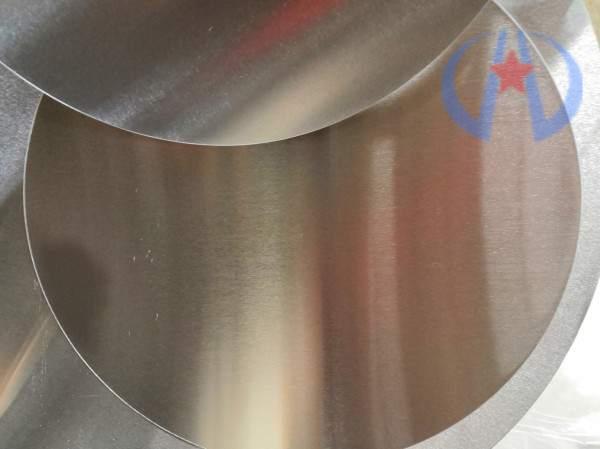
4. オレンジの皮の主な原因: 局所的なプラスチックの不平等と微小突起
(1) 素材的側面: 不均一な微細構造と硬質粒子の分布
- 過度の粒度差: アルミニウムディスクの不適切なアニーリングプロセス (例えば, 3003 320℃でOテンパー焼鈍 < 標準 340~360℃, 保持時間 0.5h < 標準 1.5h) 粒度が不均一になる (最大粒径50μm, 最小粒径10μm). 描画中, 大きな粒子は容易に影響を受けます “粒内滑り”, 粒子が小さいと変形抵抗が高く変形しにくい, オレンジの皮のような表面を形成し、 “大きな粒子の突起と小さな粒子のくぼみ”.
測定データ: 粒度が異なる場合 >40μm, オレンジの皮の発生率は以下に達します 45%; 違いがあるとき <20μm, 発生率はただ 12%.
- 硬質粒子および介在物の存在: アルミニウム合金中のFe、Siなどの元素によって形成される硬質粒子 (例えば, AlFeSi相, 硬度HV180, マトリックス硬度 HV30) または異物混入物 (例えば, 酸化アルミニウム粒子, 5-10直径μm) are difficult to deform with the matrix during drawing and will “push up” the surrounding matrix to form tiny protrusions. When the hard particle content >0.7% (3003 alloy standard ≤0.6%), the incidence of orange peel increases from 15% に 38%.
- Uneven Thickness of Oxide Film: Uneven thickness of the oxide film on the aluminum disc surface (5μm → 12μm) due to improper pretreatment (例えば, alkali washing time fluctuation 10s → 20s) leads to high deformation resistance in thick film areas and easy over-deformation in thin film areas, forming an uneven surface. In a factory, due to uneven temperature in the alkali washing tank (50℃ → 60℃), the oxide film thickness difference reached 8μm, and the orange peel rate exceeded 40%.
(2) Process Aspect: Local Stress Concentration and Lubrication Failure
- Excessive Local Drawing Ratio: スタンピングおよび描画中, 金型キャビティの局所的な曲率が大きすぎる場合 (例えば, R=2mm < ポットハンドル接続部は標準5mm), ローカル描画率が達成されます 2.8 (をはるかに超えています 3003 O-temper の限界 2.2). 地元 “プラスチックの過剰変形” 材料のしわ状の突起が形成される, 現在のオレンジピールに重なるもの. 例: フライパン端フィレットR=3mmの場合, ローカル描画率は 2.5, オレンジピール率は 28%; R=6mmの場合, 描画比率は 1.8, そしてレートは に下がります 9%.
- 潤滑ムラによる局所的な摩擦差: 潤滑剤の噴霧ムラ (例えば, 局所的なスプレー漏れ) から摩擦係数が増加します 0.05 (普通) に 0.18 (無潤滑領域). 潤滑されていない部分の材料が金型に直接擦れる, 生産する “ドラッグ変形” 不規則な突起を形成する. 厨房用品工場にて, 自動噴霧器のノズルの詰まりによるもの, 潤滑被覆率は 98% に 85%, オレンジの皮の割合は 12% に 35%.
- ブランクホルダー力の局所的不足: ブランクホルダーの平行度偏差 (>0.1mm/100mm) 局所的にブランクホルダーの力が不十分になる (例えば, 3000N < 一定地域では標準5000N). この領域の物質の流れが速すぎます, 形にする “蓄積した突起” 周囲の通常領域との高低差を生み出す, オレンジの皮の形を呈する.
(3) 金型の側面: 表面粗さとキャビティ欠陥
- 過剰な金型表面粗さ: 金型表面の研磨不足 (Ra=1.6μm > 標準0.4μm) その粗い表面を引き起こします “刻印された” アルミディスク表面に, 型の質感と一致するオレンジの皮を形成する. 測定結果: 金型Ra=0.8μmの場合, 完成したアルミディスク Ra=1.2μm (オレンジの皮); Ra=0.2μmの場合, 完成品 Ra=0.6μm (資格のある).
- 金型キャビティ内の小さな空洞: 加工エラーにより金型キャビティ内に残った小さなキャビティ (例えば, CNC フライス加工で残った小さな凹み, 深さ0.05mm) 描画中に材料がくぼみを埋めるのを防ぎます, 形にする “逆突起”. 複数のくぼみが重なるとオレンジの皮のような形になります. 金型工場内, フライスカッターの磨耗によるもの, 空洞抑制率に達しました 15%, オレンジの皮の割合が超過することにつながる 30% 台所用品で.
5. 業界事例の検証: 原因の特定と解決策
場合 1: 深絞りポットのタイガーストライプ 3003 O テンパー アルミニウム ディスク
- 問題となる現象: ポットの側壁に3mm間隔の明暗のストライプ, 28% 不良率;
- 原因調査:
-
- 冷間圧延機速度変動±8%, アルミディスクの質感度 0.88 (標準 ≤0.7);
-
- 油圧引抜機圧力変動±0.8MPa, 脈動する描画速度;
- 検証対策: 冷間圧延速度安定性を±2%に調整, 油圧システムのシールを交換する (圧力変動を±0.2MPaに低減);
- 結果: タイガーストライプ率が減少しました 6%, 業界標準を満たす.
場合 2: 浅型フライパンでオレンジピール 5052 H14 調質アルミニウム ディスク
- 問題となる現象: フライパン底Ra=2.2μm, 手触りが粗い, 35% 不良率;
- 原因調査:
-
- アニール温度 310℃ (標準以下 370~390℃), 粒度差55μm;
-
- 金型表面Ra=1.2μm (基準を超えている);
- 検証対策: アニーリングプロセスの調整 (380℃×2h), 金型をRa=0.2μmまで研磨;
- 結果: オレンジピールの割合が減少しました 10%, Raは0.7~0.8μmで安定.
6. 原因に基づいた予防の指示 (拡張アプリケーション)
- マテリアルエンド: Fe含有量を制御する 3003 合金 ≤0.6%, アニーリング後の粒径差 ≤ 20μm, 酸化膜厚5~8μm (偏差±1μm);
- プロセス終了: 描画速度の安定性を±5%維持, ブランクホルダー力変動±5%, 潤滑剤被覆率 ≥98%;
- モールドエンド: 金型表面 Ra ≤0.4μm を確保してください, 空洞に空洞がない, 均一な通気孔の間隔 (≤3mm) そして詰まりはありません.
これらの防止策は、キッチン用品用アルミニウムディスクの加工問題を解決し、製品の品質を向上させるために重要です。.
7. 結論
台所用品用のアルミニウムディスクのスタンピングおよび絞り加工におけるタイガーストライプの主な原因は、 周期的要因による不均一な変形 (結晶方位, プロセス変動, 金型の周期的欠陥); 一方、オレンジの皮は次のような原因によって引き起こされます。 非周期的要因によって引き起こされる微小突起 (不均一な粒子, 硬い粒子, ローカルプロセスの不均衡). これら 2 つの欠陥の原因を追跡するには、材料の微細構造を統合する必要があります, プロセスパラメータ, 金型条件. を通して “定量的管理 + 目標を絞った調整”, 不良率を効果的に減らすことができます, アルミニウム製キッチン用品製品の表面品質を保護します。. これらの質感の欠陥に対処することは、台所用品用のアルミニウムディスクの加工の問題を包括的に解決するための重要なステップです.