

両者の主な違い 1050 そして 1060 アルミニウムディスク
アルミニウム ディスクは、最も広く使用されているアルミニウム基礎材料の 1 つです。.
可塑性に優れています, 熱伝導率, 耐食性, 調理器具製造の中核原料として機能します。, 照明コンポーネント, 交通標識, 電気部品, および深絞りアプリケーション. 純アルミシリーズの中で (1xxx), 1050そして 1060 アルミディスクは市場で最も一般的に使用されている 2 つの製品です.
どちらも高純度の工業用純アルミニウムであるため、見た目は似ており、基本特性も同等ですが、多くの購入者やメーカーが材料選択の際に混同することがよくあります。.
実際には, これら 2 つの合金は、化学組成において微妙だが決定的な違いを示します, 機械的特性, 成形性, 熱伝導率・電気伝導率, そして表面品質. それぞれの製品には、コストとアプリケーションの適合性の点で明確な利点もあります。. 原材料の特性を正確に区別することで、企業は生産要件に基づいて最もコスト効率の高い原材料を選択できます。, 製品のポジショニング, そして予算.
この記事では、次の違いについて包括的に分析します。 1050 そして 1060 工業用材料選択の完全なリファレンスとなるアルミニウムディスク.
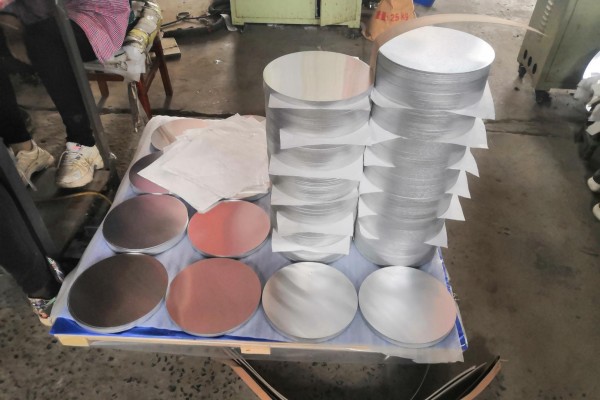
1. 基本的な定義 & 主要パラメータの概要
1.1 1050 アルミニウムディスク: コスト効率の高い汎用純アルミニウム
1050 アルミニウムディスクは工業用純アルミニウムの国家規格1xxxシリーズに属します。, 以上のアルミニウム含有量 99.5%.
それらは非常に多用途性を表します, 純アルミニウムの核となる利点を保持する基礎材料: 優れた耐食性, 安定した熱伝導性と電気伝導性, 優れた成形性, 溶接やプレス加工が容易.
これらの特性により、 1050 従来の処理技術の大部分に適しています. バランスの取れた性能と手頃な価格のおかげで, 1050 一般的な民間および産業用途に好ましい材料です。.
代表的な仕様:
- テンパーズ: ○, H12, H14
- 厚み範囲: 0.3mm~6.0mm
- 直径範囲: 80mm~1200mm
- 表面仕上げ: 標準的なミル仕上げ, 従来の生産ニーズのほとんどを満たします.
1.2 1060 アルミニウムディスク: 深加工用高純度特殊素材
1060 アルミニウム ディスクも 1xxx シリーズに属しますが、アルミニウムの純度が高くなっているのが特徴です。 ≥99.6%, に比べて不純物レベルが大幅に低減されています。 1050.
このより高い純度により延性が向上します, 深絞り性能, 表面の美しさ, 亀裂などの深層加工によくある問題を最小限に抑えながら、導電性と導電性を向上させます。, 成形性が悪い, および表面欠陥. そのような, 1060 ハイエンド向けに選ばれる特殊合金です, 深加工品.
寸法と気質の点で, 1060 ~と緊密に一致する 1050. 基本的な違いはサイズではなく、材料の純度とそこから得られる性能上の利点にあります。.
2. 化学組成: パフォーマンスの違いの根源
これら 2 つの合金間の性能差はすべて、主にアルミニウムの純度と不純物含有量といった化学組成の微妙な違いに起因します。. 不純物が少なく純度が高いため、微細構造の均一性と安定性が向上します。, 優れた総合特性を実現.
| 要素 | 1050 アルミディスク | 1060 アルミディスク |
|---|---|---|
| アルミニウム (アル) | ≥99.5% | ≥99.6% |
| シリコン + 鉄 (はい+信仰) | ≤0.40% | ≤0.35% |
| 銅 (銅) | ≤0.05% | ≤0.05% |
| マンガン (ん) | ≤0.05% | ≤0.03% |
| マグネシウム (マグネシウム) | ≤0.05% | ≤0.03% |
| 亜鉛 (亜鉛) | ≤0.05% | ≤0.05% |
データはそれを明確に示しています 1060 アルミニウムの純度が高く、総不純物が少ないことを誇ります。 (はい+信仰) Mn および Mg 含有量も削減されています. この削減により、内部構造の不一致が軽減されます。, 靭性と均一性が大幅に向上.
しかし, これは限界アップグレードに相当します; 標準的な処理シナリオでは, 実際の違いは最小限です. この違いは、高精度および深度処理アプリケーションでのみ顕著になります。.

3. 機械的性質: 強度と延性のバランス
機械的特性は、スタンピングにおけるアルミニウム ディスクの性能を直接決定します。, 描画, 耐変形性. 1050 そして 1060 さまざまな処理ニーズに合わせた補完的な特性を提供します.
| 財産 | 1050 アルミディスク | 1060 アルミディスク |
|---|---|---|
| 抗張力 | 60–95MPa | 55–95MPa |
| 降伏強さ | ≧20MPa | ≧18MPa |
| 伸び率 | 20–35% | 25–40% |
| 硬度 | やや高め | わずかに低い |
| 成形性 | 素晴らしい | 優れた |
1050わずかに高い硬度を提供します, 降伏強さ, そして引張強さ, 軽微な変形に対する優れた耐性を提供します. 構造安定性が求められる従来のプレス製品に最適です. 対照的に, 1060ある程度の強度と引き換えに、大幅に高い伸びと柔軟性を実現, 優れた靭性と耐クラック性を実現. 複雑な成形や大きな変形工程に最適です。.
4. 高度な処理パフォーマンス: 描画における重大な差異 & 紡糸
調理器具や精密筐体など、深絞りやスピニングを必要とする製品の場合、ベースラインの強度よりも成形性の方がはるかに重要です。. ここで、2 つの合金間の主な選択基準が現れます。.
4.1 1050 アルミニウムディスク: 従来の中浅絞りに最適
1050 優れた生産安定性と良好なスピン成形性を実現, 安定した歩留まりと低い原材料コストを実現, 優れたコスト効率を実現. しかし, 伸びが限られているため、中浅の絞りや単純な形状にのみ適しています。.
深絞りや複雑な曲率は、エッジの亀裂や不均一な質感を引き起こす可能性があります。. 代表的な用途としてはフライパンなどが挙げられます。, 標準的な調理器具, 鍋の蓋, ランプハウジング, そして交通標識.
4.2 1060 アルミニウムディスク: 高精度の深絞り用に設計 & 複合成形
1060 深部加工に優れています. 伸び率が高いため、絞りの深さが大きくなり、イヤリング率が低くなります。, ひび割れを効果的に軽減, 変形, エッジ欠陥. 完成品は均一な肉厚と正確な形状を示します.
炊飯器の内釜に最適な素材です。, 電気ケトル本体, 圧力鍋, ハイエンドのカスタム調理器具, 精密回転部品.

5. 熱, 電気 & 耐食性の比較
5.1 熱伝導率: 高級調理器具の主な利点
調理器具にとって熱性能は非常に重要です, 加熱の均一性と効率に直接影響を与える. 1050 熱伝導率は約 222 W/m・K, その間 1060 到達する 234 W/m・K. 純度が高いほど、 1060 より速い熱伝達とより均一な放散を可能にします, ホットスポットを排除し、調理性能を向上させることが、高級調理器具がこの合金を好む主な理由です.
5.2 電気伝導率: 電気部品に欠かせないもの
電気用途で, 1060 再び優位性を保っている. 1050 についてのオファー 61% IACS導電率, 一方 1060 達成する 62-63% IACS, ensuring more stable conduction with lower losses. その結果, 1060 is the default choice for capacitor cans, busbars, conductive fittings, and electrical reflectors.
5.3 耐食性: Nearly Identical
Both alloys form a dense, protective oxide layer, delivering excellent corrosion resistance against moisture, weak food acids, industrial atmospheres, and outdoor weathering. Due to their minimal purity gap, their corrosion performance is virtually identical, making both suitable for outdoor, sanitary, and industrial environments.
6. 表面品質 & Cost Considerations
6.1 表面品質: 1060 Offers a Superior Finish
Thanks to higher purity and fewer impurities, 1060 discs feature a smoother, finer base surface free from particulate defects. During anodizing, 研磨, or coating, it yields more uniform coloration, higher gloss, and better reflectivity—resulting in a noticeably more premium appearance. これにより、 1060 the go-to for high-end decorative parts, reflective lighting fixtures, そして高級調理器具. 1050 標準的な美的要件を満たす適切な平坦性を提供します.
6.2 料金: 1050 より大きな価値を提供
大規模生産ではコストが極めて重要. 処理コストは同等ですが、, 1060のより厳しい原料純度要件により、通常は 1–3%高価より 1050 (市場変動の影響を受ける). 大量生産のコモディティ製品向け, このギャップは大幅な節約につながります, コスト重視の製造における 1050 の役割を強化する.
7. 応用分野の比較
純粋さの際立った強みに基づいて, 成形性, 導電率, 表面品質, そしてコスト, 1050 そして 1060 5つの主要セクターにわたって明確にセグメント化された市場にサービスを提供します.
7.1 主な用途 1050 アルミニウムディスク
- 調理器具:フライパンなど中浅絞りのもの, こびりつかない鍋, 蓋, およびストックポット - 安定した成形と適切な熱伝達が大衆市場のニーズを満たす.
- 点灯:厳しい反射率や質感の要求のない標準的なランプハウジングとベース.
- 渋滞 & アウトドア:道路標識および基本的な屋外装飾アルミニウム, 信頼の耐食性を活かして.
- 工業製造:汎用プレス部品, 板金部品, 加工性と歩留まりを重視した機器筐体.

7.2 主な用途 1060 アルミニウムディスク
- プレミアム調理器具:深絞り, 炊飯器ライナーなどの複雑な形状のもの, ケトル本体, 圧力鍋, 完璧な成形と熱性能を優先したグルメ調理器具.
- 電気精度:コンデンサ缶, busbars, 反射シールド, 電気損失を最小限に抑えた導電性部品.
- 点灯 & 装飾:ハイエンドのリフレクターカップ, 建築用陽極酸化仕上げ, 光学精度と表面の完璧さが要求される装飾照明.
- 精密工業:高度なエンジニアリング用途向けの複雑なスピニングコンポーネントと大幅に変形したプレス部品.
8. 正確な選択ガイド: ニーズに基づいた選択
8.1 優先順位を付ける 1050 いつ:
- コスト効率と大量生産が最も重要です.
- アプリケーションには以下が含まれます: 標準的な焦げ付き防止パン, フライパン, 蓋, 一般的なプレス部品, 基本的なランプカバー, 道路標識, 極端な深絞りや表面品質要件のないあらゆる製品.
8.2 優先順位を付ける 1060 いつ:
- 製品の品質, 深い加工, 高精度が重要です.
- アプリケーションには以下が含まれます: 炊飯器, 電気ケトル, 圧力鍋, ハイエンド照明リフレクター, アルマイト装飾部品, コンデンサー缶, busbars, 複雑なスピニングまたは深絞りコンポーネント.
9. 結論
両方 1050 そして 1060 アルミニウムディスクは、優れた耐食性を備えた高品質の 1xxx シリーズ純アルミニウム素材です。, 熱伝導率, 幅広い工業製品および消費財向けの成形性.
彼らの根本的な相違点は次のとおりです。 純粋さとポジショニング: 1050 です コスト最適化されたゼネラリスト, 適度な強度と大規模生産向けの手頃な価格のバランス. 1060 です 高性能スペシャリスト, 延性の向上, 優れた表面品質, ディーププロセスやプレミアムアプリケーション向けに優れた物理的特性を提供します。.
効果的な材料選択とは、常に「よりグレードの高い」オプションを選択することを意味するわけではありません. その代わり, 処理の複雑さに合わせて選択する, パフォーマンス目標, と予算の制約.
選択してください 1050 従来品の価値を最大化する, そして選択してください 1060 洗練された技術で品質を向上させ、不合格率を削減します, 深絞り品—卓越性と経済性の間の最適なバランスを達成する.