
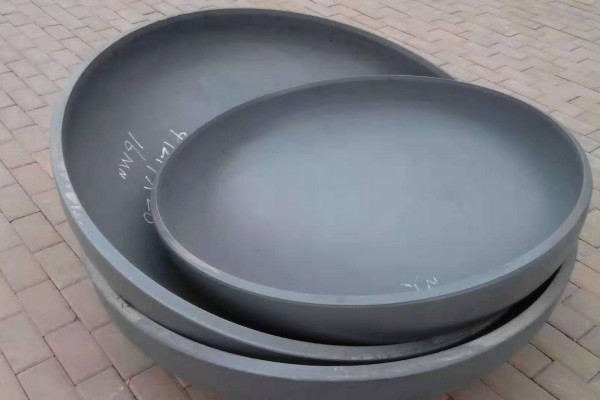
Corrosion-Resistant 1060 Aluminum Round Sheet for Chemical Container Heads: Material, Applications, and Industry Insights
1. Introduction: Evolution of Chemical Container Materials
In the chemical industry, selecting the right material for container heads and storage vessels is critical for safety, durability, and operational efficiency. Chemical containers are routinely exposed to corrosive media such as acids, alkalis, solvents, and high-moisture environments.
Traditional materials such as carbon steel, stainless steel, and low-grade aluminum alloys often fail under long-term chemical exposure due to corrosion, deformation, or leakage. This has led manufacturers to adopt high-purity 1060 aluminum round sheets for corrosion-resistant container heads.
The corrosion-resistant 1060 aluminum round sheet for chemical container heads offers:
- Excellent chemical stability: Withstands acids, alkalis, and most industrial solvents.
- High formability: Can be deep-drawn or spun into complex head geometries.
- Lightweight durability: Reduces structural load and handling costs.
- Thermal conductivity and heat resistance: Supports chemical processes requiring moderate temperature control.
2. Material Composition and Properties
2.1 Chemical Composition
1060 aluminum is commercially pure aluminum (≥99.6% Al) with trace amounts of Fe, Si, Cu, Mn, and other elements. Its composition provides a perfect balance of corrosion resistance and formability.
| Element | Content (%) | Function |
|---|---|---|
| Aluminum (Al) | ≥ 99.6 | Base material, excellent corrosion resistance |
| Iron (Fe) | ≤ 0.35 | Provides minor strengthening without reducing ductility |
| Silicon (Si) | ≤ 0.25 | Improves wear resistance |
| Copper (Cu) | ≤ 0.05 | Minimal impact on corrosion resistance |
2.2 Mechanical Properties
| Property | Typical Range | Significance |
|---|---|---|
| Tensile Strength | 70–125 MPa | Supports forming and long-term structural integrity |
| Elongation | 20–35% | Allows deep drawing into container heads without cracking |
| Hardness (HV) | 20–35 | Enables machining and finishing for sealing surfaces |
| Thickness | 0.5–6 mm | Suitable for small to large chemical vessel heads |
Corrosion resistance is the defining feature, enabling safe storage of aggressive chemicals.
3. Corrosion Resistance Mechanisms
- Natural oxide layer formation: 1060 aluminum forms a passive Al2O3 layer that resists chemical attack.
- Acid and alkali stability: Suitable for mild and moderately concentrated solutions.
- Galvanic compatibility: Prevents corrosion when in contact with other metals in composite structures.
4. Manufacturing Processes for Chemical Container Heads
4.1 Rolling and Blanking
- Uniform thickness ensures predictable forming.
- Round blank diameters are precisely cut for deep drawing or spinning.
4.2 Deep Drawing and Spinning
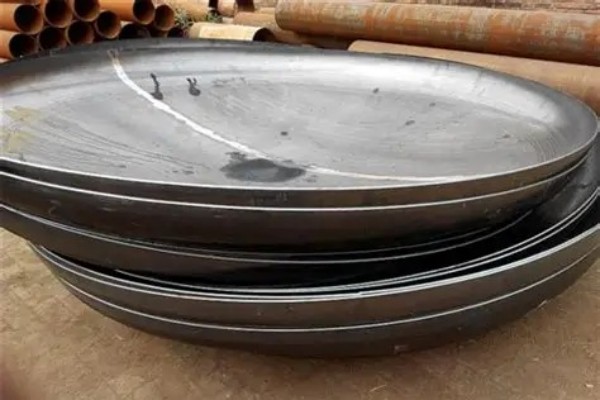
- Multi-s tage deep drawing shapes aluminum into dome-shaped or conical heads.
- Spinning allows precise curvature and flange formation for sealing.
- Lubrication ensures defect-free surfaces.
4.3 Annealing
- Intermediate annealing restores ductility after cold rolling or pre-forming.
- Reduces internal stress and minimizes micro-cracks.
4.4 Surface Treatment
- Optional anodizing enhances chemical resistance.
- Smooth finishes ensure proper sealing and reduce leak risk.
5. Applications in the Chemical Industry
5.1 Storage Tanks
- Used for acids, solvents, and alkali storage tanks.
- High formability allows for large-diameter heads with uniform thickness.
- Lightweight 1060 aluminum reduces structural support requirements.
5.2 Reaction Vessels
- Corrosion-resistant aluminum heads prevent contamination during reactions.
- Supports moderate heating or cooling cycles due to good thermal conductivity.
5.3 Transportation Containers
- Safe handling of corrosive chemicals during transport.
- Resistance to environmental corrosion extends service life.
5.4 Case Study Example
A chemical manufacturer replaced carbon steel heads with corrosion-resistant 1060 aluminum round sheets, resulting in:
- 50% reduction in corrosion maintenance costs.
- Improved safety and extended service life from 5 to 15 years.
- Weight reduction of 30%, lowering handling and transport costs.
6. Comparative Analysis with Other Alloys
| Alloy | Tensile Strength | Elongation | Corrosion Resistance | Suitability for Chemical Heads |
|---|---|---|---|---|
| 1060 Al | 70–125 MPa | 20–35% | Excellent | Ideal |
| 3003 Al | 130–170 MPa | 10–20% | Moderate | Acceptable |
| 5052 Al | 190–220 MPa | 8–12% | High | Suitable but harder to form |
| Carbon Steel | 250–400 MPa | 10–15% | Poor | Requires coatings or linings |
Insight: While alloys like 5052 have higher strength, their lower ductility increases forming difficulty. 1060 aluminum balances ductility, corrosion resistance, and ease of forming, making it ideal for chemical container heads.
7. Quality Control and Testing
- Mechanical Testing: Tensile, elongation, and hardness testing to ensure forming reliability.
- Surface Inspection: Ensures smooth, defect-free surfaces for proper sealing.
- Corrosion Testing: Simulated chemical exposure tests to verify long-term resistance.
- Dimensional Inspection: Verifies wall thickness, flange dimensions, and overall geometry.

8. Benefits for Manufacturers
- Reduced scrap rates due to high ductility.
- Lightweight material reduces handling costs and structural support requirements.
- Durable, corrosion-resistant heads lower maintenance costs.
- High surface quality ensures reliable sealing and safety.
9. Market Trends and Industry Insights
- Global chemical storage market increasingly favors aluminum heads for mid-to-high corrosion applications.
- Regulatory compliance drives adoption due to safety and environmental standards.
- Sustainability trends promote recyclable materials like 1060 aluminum.
- Growth in modular chemical storage systems requires lightweight, formable, and corrosion-resistant materials.
10. Sustainability Considerations
- Recyclability: 1060 aluminum can be recycled without quality loss.
- Lightweight construction: Reduces carbon footprint in storage and transport.
- Optimized manufacturing: Deep drawing minimizes material waste.
- Compliance: Supports eco-friendly chemical storage practices in line with ISO and EU regulations.
11. Advanced Applications and Future Trends
- Integration with composite materials for multi-layer corrosion protection.
- Use in temperature-controlled chemical vessels due to high thermal conductivity.
- Development of anodized or coated surfaces for aggressive chemical environments.
- Expansion into modular chemical storage and transport containers for industrial logistics.
12. Conclusion
The corrosion-resistant 1060 aluminum round sheet for chemical container heads is essential for modern chemical storage and handling. Its combination of high ductility, corrosion resistance, lightweight design, and formability allows manufacturers to produce safe, durable, and high-quality container heads.
By adopting 1060 aluminum round sheets, chemical manufacturers can:
- Improve safety and operational reliability.
- Reduce maintenance and replacement costs.
- Achieve lightweight, cost-effective, and environmentally friendly solutions.
This material continues to be a cornerstone in the evolution of chemical storage technologies and will play an increasingly important role in next-generation industrial storage solutions.