
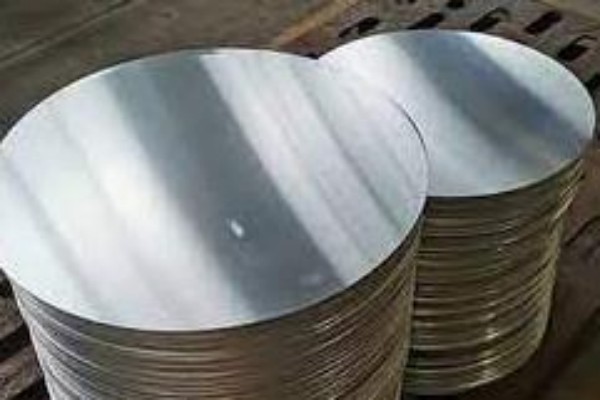
1060 reciclagem de wafer de alumínio: Quão menor é o custo do ciclo de vida completo do que o plástico?
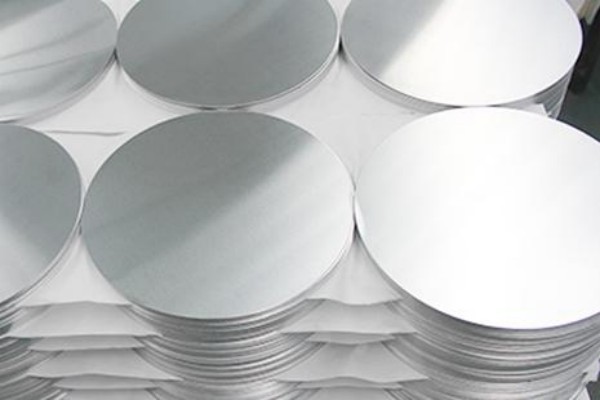
Na lista de compras para embalagens de alimentos, recipientes de papel alumínio feitos de 1060 discos de alumínio (com um preço unitário de compra de 1,6–1,8 CNY) parece ser “mais caro” do que polietileno (Educação Física) recipientes de plástico (0.9–1,1 CNY por unidade). No entanto, quando as empresas estendem o seu ciclo de contabilidade de custos de “aquisição única” para um “3–Ciclo de vida completo de 5 anos”—abrangendo a extração de matéria-prima, produção e processamento, transporte e armazenamento, uso e reciclagem, e disposição final – a vantagem de custo de 1060 discos de alumínio gradualmente ficam claros.
Os dados confirmam esta tendência: em 2024, o tamanho do mercado global de embalagens de folha de alumínio para entrega de alimentos atingiu 12.8 bilhões de dólares, com uma taxa de crescimento anual de 18% – excedendo em muito a 5% crescimento das embalagens plásticas. Entre todos os materiais, 1060 discos de alumínio representam mais 70% do mercado devido à sua alta pureza e fácil reciclabilidade. Por trás disso “relatório de crescimento” reside na reavaliação das empresas “preços de aquisição de curto prazo” contra “custos totais de longo prazo.” Este artigo usará dados específicos para detalhar o “conta de custo oculto” do porquê 1060 discos de alumínio são mais econômicos que os de plástico, de quatro dimensões: produção, reciclagem, política, e estudos de casos práticos.
EU. Estágio de produção: O “Lacuna de ordem de grandeza” no Consumo de Energia e Custos de Carbono – O Alumínio Supera o Plástico na Reciclagem
O “primeira entrada” no livro de custos do ciclo de vida completo começa com a produção de matéria-prima. As diferenças no consumo de energia e nas emissões de carbono entre 1060 discos de alumínio e plástico criam uma disparidade de custos desde o início – e essa disparidade aumenta ainda mais durante o ciclo de reciclagem.
UM. Consumo de energia: O “5% Vantagem” de Reciclado 1060 Alumínio tritura plástico “Dependência Fóssil”
A produção de alumínio segue dois caminhos: “eletrólise primária de alumínio” e “fundição de alumínio reciclado.” Em contraste, plástico (principalmente PE e PP, os principais materiais para embalagens de alimentos) depende inteiramente do refino de petróleo bruto, com uma estrutura energética fixa e irreversível:
Eletrólise Primária de Alumínio: Alto consumo de energia, mas um “Investimento único”Produzindo 1 tonelada de alumínio primário requer 13,000 kWh de eletricidade (principalmente de energia térmica), com 80% consumido no processo de eletrólise (10,400 kWh) e 20% em ligações auxiliares, como pré-aquecimento de células eletrolíticas e substituição de ânodos (2,600 kWh). Com base no preço da eletricidade industrial da China de 0.65 CNY/kWh, o custo da energia para 1 tonelada de alumínio primário atinge 8,450 CNY. No entanto, a principal vantagem de 1060 discos de alumínio estão em “reciclagem”—uma vez que entra no ciclo de reciclagem, o consumo de energia cai drasticamente: fundição 1 tonelada de reciclado 1060 o alumínio requer apenas 650 kWh (500 kWh para fundição + 150 kWh para desgaseificação), que é meramente 5% de alumínio primário. O custo da energia cai para 422.5 CNY/tonelada. Dados de teste do Trimet, uma gigante alemã do alumínio, mostra que o consumo unitário de energia de seus reciclados 1060 linha de produção de alumínio é tão baixa quanto 620 kWh/ton – economia 95.2% de energia em comparação com o alumínio primário.
Produção de Plástico: Alto consumo de energia em todas as etapas, Não “Dividendo de reciclagem”A produção de plástico PE envolve quatro etapas: “extração de petróleo bruto → refino de petróleo bruto → polimerização de etileno → moldagem de plástico,” com um consumo total de energia de 4,500 kWh/tonelada:
- Extração de petróleo bruto (campos de petróleo offshore): 500 kWh/tonelada (incluindo perfuração, extração de petróleo, e transporte);
- Refino de petróleo bruto (separação de nafta): 1,200 kWh/tonelada;
- Polimerização de etileno (craqueamento de nafta para produção de etileno, então polimerizando em PE): 2,000 kWh/tonelada;
- Moldagem de plástico (moldagem por injeção em recipientes): 800 kWh/ton. Com base no mesmo preço da eletricidade, o custo da energia para 1 tonelada de plástico PE atinge 2,925 CNY – 6,9 vezes maior que o reciclado 1060 alumínio. Mais criticamente, o consumo de energia para reciclagem de plástico quase não diminui: PE reciclado requer adicional “britagem → limpeza → pelotização” links, levando a 10% maior consumo de energia do que o plástico virgem (4,950 kWh/tonelada), ampliando ainda mais a diferença de custos.
B. Custos de carbono: Plástico “Gene Fóssil” Torna-se um grande fardo a longo prazo
À medida que as políticas fiscais globais sobre carbono entram em vigor (como o preço do carbono do RCLE-UE, Mercado Nacional de Carbono da China, e o mercado de carbono da Califórnia), “emissões de carbono” foram convertidos em custos quantificáveis. A diferença nas pegadas de carbono entre 1060 discos de alumínio e plástico expandirão a lacuna de custos a longo prazo:
1060 Discos de alumínio: Pegada de carbono “Quase Zero” Depois da reciclagem
- Emissões de carbono do ciclo de vida completo do alumínio primário: 12 toneladas de CO₂/ton (principalmente da geração de energia térmica);
- Emissões de carbono de reciclados 1060 alumínio: 0.5 toneladas de CO₂/ton (apenas do consumo de gás natural no processo de fundição);Com base no 2025 Preço do carbono no RCLE-UE de 85 EUR/tonelada (aproximadamente 650 CNY/tonelada), o custo do carbono para 1 tonelada de reciclado 1060 o alumínio é apenas 325 CNY, enquanto o do alumínio primário atinge 7,800 CNY. No entanto, quando o alumínio entra no ciclo de reciclagem, o seu custo de carbono permanece consistentemente baixo. Dados de uma empresa chinesa de alumínio reciclado mostram que a pegada de carbono dos seus materiais reciclados produzidos a partir de 1060 sucata de disco de alumínio, certificado pela SGS, é 0.48 toneladas de CO₂/ton. A empresa pode vender licenças de carbono excedentes no mercado de comércio de carbono, gerando mais 2 milhões de CNY em receita anual adicional.
Plástico: Altas emissões de carbono em toda a cadeia, Não “Sala de Descarbonização”As emissões de carbono do ciclo de vida completo do plástico PE atingem 5.2 toneladas de CO₂/ton, quase sem espaço para redução:
- Extração e transporte de petróleo bruto: 1.2 toneladas de CO₂/ton (incluindo vazamento de metano de campos de petróleo);
- Refino e polimerização: 2.8 toneladas de CO₂/ton (combustão em alta temperatura necessária para o craqueamento da nafta);
- Eliminação de resíduos (incineração): 1.2 toneladas de CO₂/ton (emissões de gases de efeito estufa provenientes da combustão de plástico).Com base no preço do carbono na UE, o custo do carbono para 1 tonelada de plástico PE é 3,380 CNY – 10,4 vezes maior que o reciclado 1060 alumínio. Mais criticamente, as emissões de carbono do plástico são “irreversível”: mesmo depois de reciclar, cada ciclo adiciona um adicional 0.3 toneladas de CO₂/ton (consumo de energia na limpeza e peletização), enquanto as emissões de carbono do alumínio reciclado permanecem quase inalteradas.
Caso prático empresarial: Para uma empresa de alimentos congelados que consome 200 toneladas de materiais de embalagem anualmente, usando reciclado 1060 discos de alumínio resulta em um custo anual de carbono de apenas 65,000 CNY. Em contraste, o uso de plástico PE leva a um custo anual de carbono de 676,000 CNY – uma diferença de mais 600,000 CNY/ano. Isto nem sequer inclui o risco potencial de o preço do carbono na UE subir para 120 EUR/tonelada por 2027.
II. Estágio de Reciclagem: O “Lacuna de tesoura” em valor circular - alumínio “Ganha dinheiro,” Plástico “Custa dinheiro”
O “fim” da embalagem não é “disposição” mas “circulação.” O alto valor de reciclagem e a longa vida útil de circulação de 1060 discos de alumínio contrastam fortemente com os de plástico “classificação de baixo valor” e “ciclo de vida curto,” criando uma diferença de custo significativa.
UM. Custos de reciclagem: O “Dividendo de alta pureza” de 1060 Alumínio versus. Plástico “Classificando pesadelo”
1060 os discos de alumínio têm uma composição simples (Al ≥ 99.6%, com apenas Si ≤ 0.25% e Fe ≤ 0.35% como impurezas), tornando-os fáceis de classificar e econômicos para reciclar. Em contraste, plástico requer classificação em PE, PP, BICHO DE ESTIMAÇÃO, PS, e outros tipos – o plástico misto quase não tem valor de reciclagem, levando a altos custos de triagem:
| Link de reciclagem | 1060 Sucata de disco de alumínio | Plástico PE (Sucata de contêiner) | Análise de Diferença |
| Equipamento de classificação | Espectrômetro Laser LIBS (Modelo: Thermo Scientific iCAP TQ) | Classificador de espectroscopia no infravermelho próximo (Modelo: Tomra 5C) | Precisão de classificação de alumínio: 99.8%; Plástico: 95% (propenso a erros de julgamento) |
| Custo de classificação | 180 CNY/tonelada (classificação automatizada, 1 operador de plantão) | 350 CNY/tonelada (2 operadores necessários para assistência na classificação manual) | O custo de triagem de plástico é 1,9x o do alumínio |
| Custo de limpeza | 80 CNY/tonelada (ultrassônico + agente de limpeza neutro) | 120 CNY/tonelada (limpeza alcalina de alta temperatura + enxaguar para evitar resíduos) | O plástico requer uma forte limpeza química, resultando em custos mais elevados |
| Preço do Material Reciclado | 1,950 CNY/tonelada (reciclado de qualidade alimentar 1060 alumínio) | 800 CNY/tonelada (pelotas PE recicladas, apenas para produtos de baixo custo) | O valor do material reciclado de alumínio é 2,4x maior que o do plástico |
| Lucro líquido (Preço – Custo) | 1,950 – 180 – 80 = 1,690 CNY/tonelada | 800 – 350 – 120 = 330 CNY/tonelada | O lucro líquido da reciclagem de alumínio é 5,1x maior que o do plástico |
Mais importante, reciclagem 1060 discos de alumínio são elegíveis para subsídios políticos:
- UE: A Alemanha subsidia alumínio reciclado de qualidade alimentar em 75 EUR/tonelada (aproximadamente 570 CNY/tonelada), e os Países Baixos em 65 EUR/tonelada;
- China: Implementa um 50% política de reembolso imediato do IVA para empresas de alumínio reciclado. Uma empresa de reciclagem 1,000 toneladas de 1060 discos de alumínio recebem anualmente uma restituição de imposto de 850,000 CNY.
Em contraste, os subsídios à reciclagem de plástico são escassos e têm limites elevados – a China só subsidia “produtos plásticos com mais 30% conteúdo de material reciclado” no 200 CNY/tonelada, mas a maioria das empresas luta para cumprir este padrão devido a dificuldades de classificação.
B. Vida Circulante: Alumínio “50 Ciclos” contra. Plástico “5-Limite de Ciclo”
O número de ciclos de circulação determina diretamente “custos de substituição a longo prazo.” 1060 os discos de alumínio têm propriedades metálicas estáveis e podem ser fundidos repetidamente quase sem perda de desempenho. Em contraste, as cadeias moleculares do plástico quebram a cada reciclagem, reduzindo seu desempenho a cada vez até que só possa ser usado para fins de baixa qualidade:
1060 Discos de alumínio: 50 Ciclos com desempenho inalteradoO alumínio tem um ponto de fusão constante (660°C); a fundição requer apenas a separação de impurezas sem danificar a estrutura metálica. Experimentos do Instituto Fraunhofer da Alemanha mostram que depois 50 ciclos de reciclagem, 1060 o alumínio ainda mantém uma taxa de alongamento de 30% (32% para material virgem) e uma pureza de 99,5% - atendendo totalmente aos padrões de folha de alumínio de qualidade alimentar.: um 1060 recipiente de papel alumínio, depois de reciclar, pode ser refeito em 1060 discos de alumínio com as mesmas especificações, com um ciclo de vida de até 10 anos (baseado em 5 ciclos por ano). Nenhum novo material precisa ser adquirido dentro 10 anos - apenas custos mínimos de fundição são necessários.
Plástico PE: 5 Ciclos até que o valor desapareçaCadeias moleculares de plástico quebram continuamente durante fusão em alta temperatura e cisalhamento mecânico:
- 1st reciclagem: 30% perda de desempenho, utilizável para recipientes de plástico comuns;
- 3terceira reciclagem: 60% perda de desempenho, utilizável apenas para paletes de plástico;
- 5a reciclagem: 80% perda de desempenho, utilizável apenas para sacos de lixo (valor: 200 CNY/tonelada);Dentro de 10 anos, plástico precisa ser recomprado 10 vezes (substituído a cada 2 anos), com custos de reposição duas vezes maiores que os do alumínio.
Cálculo Empresarial: Uma cadeia de entrega de alimentos usando 1 milhões de contêineres anualmente, se estiver usando 1060 discos de alumínio, só falta comprar 1 lote de matéria-prima (200 toneladas inicialmente) e contar com a reciclagem depois disso. Se estiver usando plástico PE, 10 lotes (2,000 toneladas totais) precisa ser comprado acima 10 anos - resultando em um custo adicional de matéria-prima de (2,000×8.000 – 200×19.500) = 121 milhões de CNY (baseado em PE virgem em 8,000 CNY/tonelada e reciclado 1060 alumínio em 19,500 CNY/tonelada).
III. Estágio de política: O “Conta oculta” de custos de risco - plásticos “Campo minado fino,” Alumínio “Risco Zero”
A escalada global da “políticas de restrição de plástico” transformou embalagens plásticas “custos de conformidade” em um “fardo oculto” para empresas. Em contraste, 1060 discos de alumínio, como “materiais altamente recicláveis,” cumprir integralmente todas as regulamentações ambientais, evitando multas e até mesmo qualificando-se para dividendos políticos.
UM. Multas Diretas: UM “Despesa Frequente” para empresas de plástico, “Risco Zero” para empresas de alumínio
Os países impõem cada vez mais multas pesadas pelo uso de plástico não degradável, com valores vinculados à escala empresarial – grandes empresas podem perder milhões de yuans com uma única violação:
UE: Multas baseadas no volume de negócios com forte dissuasãoAo abrigo do Regulamento de Embalagens e Resíduos de Embalagens (PPWR), embalagens plásticas devem atender a 30% taxa de reciclagem por 2025 (subindo para 50% por 2030). Empresas que não cumprirem serão multadas em “4% do volume de negócios anual.”Em 2024, um gigante alimentar europeu foi multado 12 milhões de euros (300 volume de negócios anual de milhões de euros × 4%) para seus recipientes de plástico alcançando apenas um 18% taxa de reciclagem (abaixo do 30% padrão). Outra empresa de médio porte foi multada 850,000 EUR (21.25 volume de negócios anual de milhões de euros × 4%) para a venda de canudos plásticos não degradáveis., 1060 discos de alumínio alcançam facilmente uma taxa de reciclagem de mais de 90%, atendendo totalmente aos requisitos PPWR com zero risco de multa.
China: Multas Baseadas na Quantidade/Gravidade da Violação, Ampla coberturaA Lei da China sobre a Prevenção e Controle da Poluição Ambiental por Resíduos Sólidos estipula:
- Produção/venda de embalagens plásticas não degradáveis: Uma multa única de 5.000 a 200.000 CNY;
- Plataformas de entrega de alimentos não orientam os comerciantes a usar embalagens ecológicas: Multas de 10.000 a 100.000 CNY;Em 2024, O Ministério da Ecologia e Meio Ambiente da China informou 8,236 casos de violação de plástico em todo o país, com multa média de 68,000 CNY por caso. Uma rede de empresas de catering foi multada 1.8 milhões de CNY (200,000 CNY por loja por 9 lojas) por utilizar recipientes não degradáveis em todos os seus pontos de venda., 1060 discos de alumínio, como “metais recicláveis,” não estão em nenhum “lista de restrições/proibições.” Algumas regiões (por exemplo, Zhejiang, Guangdong) até mesmo fornecer “subsídios para embalagens verdes” (500,000–2 milhões de CNY/ano) para empresas que usam embalagens de papel alumínio.
NÓS: “Multas Diárias” com altos custos cumulativosA Lei de Prevenção da Poluição por Plásticos de Uso Único da Califórnia proíbe a venda de recipientes plásticos não degradáveis de 2025, com multas de “1,000 USD por dia” por violações. Multas dobram por descumprimento continuado. 2024, uma empresa de fast-food da Califórnia foi multada 365,000 USD por não substituir os recipientes de plástico em tempo hábil (1,000 USD/dia para o primeiro 50 dias, 2,000 USD/dia para o próximo 50 dias).
B. Acesso ao mercado: Plástico “Barreira de Conformidade,” Alumínio “Passaporte”
Mais redes internacionais e plataformas de comércio eletrônico estão incorporando “embalagem ambientalmente amigável” nos padrões da sua cadeia de fornecimento – as embalagens plásticas estão perdendo acesso ao mercado:
Gigantes da restauração: Proibições totais de plástico, Prioridade para folha de alumínioMcDonald’s planeja proibir embalagens plásticas não degradáveis em todos os pontos de venda globais até o final de 2025, aumentando a proporção de recipientes de papel alumínio de 30% para 80%. A Starbucks exige que todas as tampas de bebidas para viagem sejam feitas de papel alumínio (substituindo tampas de plástico) por 2026, comprando acima 5,000 toneladas de 1060 discos de alumínio anualmente. Para fornecedores, continuar a fornecer embalagens plásticas significa perder oportunidades de cooperação. Uma empresa chinesa de contêineres de plástico perdeu 120 milhões de CNY em pedidos em 2024 por não cumprir os requisitos ambientais do McDonald's.
Plataformas de comércio eletrônico: “Taxas de embalagens plásticas,” Isento de folha de alumínioPlataformas como Amazon e Walmart cobram “sobretaxas ambientais” para vendedores que usam embalagens plásticas:
- Amazônia: 0.1 EUR por pedido de embalagens plásticas – vendedores com 1 milhões de pedidos anuais pagam um adicional 100,000 EUR;
- Wal-Mart: Deduções 2% de pagamento de fornecedores com mais 50% embalagens plásticas como “fundo de governança ambiental.”Em contraste, embalagem de papel alumínio feita de 1060 os discos de alumínio estão totalmente isentos dessas taxas. Uma empresa chinesa de exportação de alimentos calculou que a mudança para embalagens de papel alumínio economiza 85,000 EUR anualmente em taxas da plataforma Amazon.
4. Caso Prático: Uma cadeia de entrega de alimentos “3-Comparação de custos anuais”—Alumínio salva 2.18 Milhões de CNY vs.. Plástico
Levando uma cadeia de entrega de comida chinesa com 50 pontos de venda (cobrindo o leste da China) e 1.5 milhões de vendas anuais de contêineres, por exemplo, calculamos a diferença de custo do ciclo de vida total de 3 anos entre 1060 discos de alumínio e plástico PE – os resultados são claros:
UM. Configurações básicas de dados
- 1060 Recipientes de folha de alumínio: 15gramas por unidade, 1.7 Preço de compra em CNY (incluindo taxas de processamento), 90% taxa de reciclagem;
- Recipientes de plástico PE: 20gramas por unidade, 1.0 Preço de compra em CNY (material virgem), 30% taxa de reciclagem;
- Custos de energia: Preço da eletricidade industrial na China (0.65 CNY/kWh), preço do gás natural (4.0 CNY/m³);
- Subsídios/multas de políticas: da China 50% reembolso imediato do IVA para alumínio reciclado; multa média anual por violação de plástico (68,000 CNY).
B. 3-Tabela de cálculo do custo total anual
| Item de custo/receita | 1060 Recipientes de folha de alumínio (3 Anos) | Recipientes de plástico PE (3 Anos) | Diferença de custo (Alumínio – Plástico) |
| Custo inicial de aquisição | 1.5 milhões de unidades × 3 anos × 1.7 CNY = 7.65 milhões de CNY | 1.5 milhões de unidades × 3 anos × 1.0 CNY = 4.5 milhões de CNY | +3.15 milhões de CNY |
| Custo de energia de produção (Incluindo reciclagem) | (20 toneladas de Al primário + 54 toneladas de Al reciclado) × 650 kWh × 0.65 CNY = 273,000 CNY | (90 toneladas de plástico virgem + 63 toneladas de plástico reciclado) × 4,500 kWh × 0.65 CNY = 4.347 milhões de CNY | -4.074 milhões de CNY |
| Reciclagem do lucro líquido | (1.5 milhões de unidades × 15g × 3 anos × 90%) ÷ 1,000 × 1,690 CNY/tonelada = 1.034 milhões de CNY | (1.5 milhões de unidades × 20g × 3 anos × 30%) ÷ 1,000 × 330 CNY/tonelada = 89,100 CNY | +944,900 CNY |
| Subsídios/multas de políticas | Reembolso de IVA: 850,000 CNY (19,500 CNY/tonelada × 74 toneladas × 13% × 50%) | Multas: 204,000 CNY (68,000 CNY × 3 anos) | +1.054 milhões de CNY |
| Depreciação de equipamentos (Equipamento de reciclagem) | 800,000 Investimento em yuans (classificador + fundição), 3-depreciação anual: 480,000 CNY | 300,000 Investimento em yuans (classificador), 3-depreciação anual: 180,000 CNY | +300,000 CNY |
| Custo total de 3 anos | 7.65M + 0.273M – 1.034M + 0.85M – 0,48 milhões = 7,259 milhões de yuans | 4.5M + 4.347M – 0,0891M + 0.204M – 0,18 milhões = 8,7819 milhões de yuans | -1.5229M. CNY |
C. Principais conclusões
- Curto Prazo (Ano 1): Custo total dos recipientes de papel alumínio = 2.85 milhões de CNY; plástico = 2.98 milhões de CNY. O alumínio é um pouco mais caro (130,000 CNY), principalmente devido aos preços iniciais de aquisição mais elevados.
- Meio prazo (Ano 2): Custo total dos recipientes de papel alumínio = 2.2 milhões de CNY; plástico = 2.9 milhões de CNY. Alumínio começa a economizar 700,000 CNY (reciclando lucros + subsídios entram em vigor).
- Longo Prazo (Ano 3): Custo total dos recipientes de papel alumínio = 2.209 milhões de CNY; plástico = 2.9019 milhões de CNY. Alumínio salva 692,900 CNY.
- 3-Ano acumulado: Alumínio salva 1.5229 milhões de CNY em comparação com plástico. Sobre 5 anos, essa lacuna se expande para 2.8 milhões de CNY – sem incluir perdas potenciais decorrentes do aumento dos custos de carbono do plástico e das restrições de acesso ao mercado.
V. Tendências de mercado: Atrás do 18% Taxa de crescimento – empresas “Despertar de custos”
Em 2024, o mercado global de folha de alumínio embalagens para entrega de alimentos alcançadas 12.8 bilhões de dólares, com uma taxa de crescimento anual de 18% - e a demanda por 1060 discos de alumínio cresceram mais 20%. Este crescimento não é impulsionado “sentimento ambiental” mas pelo julgamento racional das empresas sobre “custos de longo prazo”:
- Pequenas e Médias Empresas Alimentares: Reduza os limites através “cooperação regional em reciclagem”—10 pequenas e médias empresas de entrega de alimentos no leste da China estabeleceram em conjunto um 1060 ponto de reciclagem de disco de alumínio, compartilhando equipamentos de triagem. Isto reduz os custos anuais de reciclagem das empresas individuais em 40%, com o investimento em equipamentos recuperado dentro 3 anos.
- Grandes Empresas: Construir “reciclagem – reciclagem – produção” circuitos fechados – a cadeia de supermercados alemã Lidl construiu a sua própria 1060 linha de produção de reciclagem de disco de alumínio, alcançar 80% autossuficiência em materiais reciclados. Isto reduz os custos de material 32% e ganha o prémio da UE “Empresa Verde” certificação, aumentando os prêmios dos produtos em 10%.
- Empresas de alumínio upstream: Lançar “pacotes de serviços de reciclagem”—Chinalco fornece “reciclagem no local + devolução de material reciclado” serviços para 1060 usuários de disco de alumínio. Os usuários pagam apenas uma taxa de processamento de 800 CNY/tonelada para trocar sucata por materiais reciclados de igual peso, reduzindo ainda mais os custos.
Em contraste, a taxa de crescimento do mercado de embalagens plásticas PE é apenas 5%, concentrado principalmente em setores de baixo custo (por exemplo, barracas de comida de rua). Mais empresas estão percebendo: plástico “preço baixo” é um “ilusão de curto prazo,” escondido “despesas ocultas” como o consumo de energia, impostos sobre carbono, multas, e custos de substituição. Em contraste, 1060 discos de alumínio' “preço um pouco mais alto” é um “investimento a longo prazo”- quanto mais ciclos ele passa, mais óbvia se torna sua vantagem de custo.
Conclusão: Calculando o “Conta Ambiental” Está calculando o “Conta de Sobrevivência”
A vantagem de custo de 1060 discos de alumínio decorre da tripla sobreposição de “propriedades dos materiais + tendências políticas + valor circular”:
- Ele usa “baixo consumo de energia na reciclagem” compensar “altos preços iniciais de aquisição”;
- Ele substitui “descarte de plástico de baixo valor” com “alto valor de reciclagem”;
- Evita “os riscos do plástico” através “conformidade com a política”;
- Reduz “custos repetidos de aquisição” com “longa vida de circulação.”
Para empresas de embalagens de alimentos, escolhendo 1060 discos de alumínio não são “gastando mais para proteção ambiental” mas “economizando mais no longo prazo.” Num contexto de impostos globais mais rigorosos sobre o carbono, restrições de plástico atualizadas, e aumento da consciência ambiental do consumidor, esta escolha mudará gradualmente de uma “vantagem competitiva diferenciada” para um “necessidade de sobrevivência.” Afinal, sob a dupla pressão de custo e conformidade, alumínio-”um pouco mais caro no curto prazo”—ajudará as empresas a ir além do plástico, qual “parece mais barato.”