
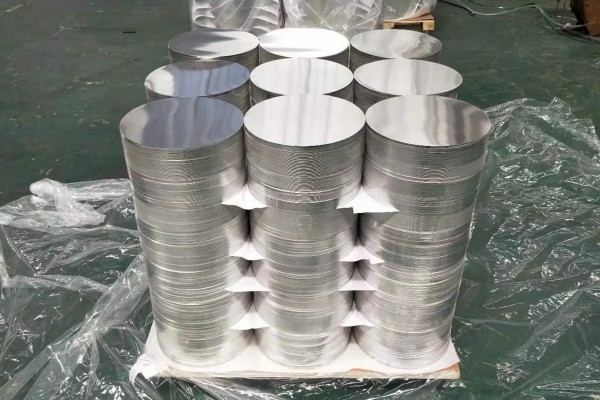
1060 Círculo de Alumínio 1mm para Frigideira: O guia definitivo para desempenho, Fabricação, e aplicações de mercado
1. Introdução: A ascensão das panelas leves
No dinâmico mercado global de utensílios de cozinha, as preferências dos consumidores estão mudando dramaticamente em direção leve, energeticamente eficiente, e alto desempenhoutensílios de cozinha. No centro desta transformação está o 1060 Círculo de Alumínio 1mm para Frigideira. Esta combinação específica de calibre e liga emergiu como o substrato ideal para fabricantes que produzem panelas antiaderentes modernas, panelas de omelete, e uso doméstico (doméstico) frigideiras.
A espessura de 1 mm representa um ponto estratégico na engenharia de utensílios de cozinha. Equilibra com sucesso:
- Resposta Térmica Excepcional: Aquecimento rápido para fogões modernos a gás e elétricos.
- Integridade Estrutural:Robusto o suficiente para resistir à deformação, mas leve o suficiente para o manuseio diário.
- Viabilidade Econômica: Maximizando o rendimento do material e minimizando os custos de envio.
Este guia completo irá aprofundar as propriedades metalúrgicas de 1060 círculos de alumínio, explorando por que a especificação de 1 mm está dominando as linhas de produção. Cobriremos os processos de fabricação, benchmarks de qualidade, análise comparativa com ligas concorrentes, e fornecer informações especializadas de Alumínio Huawei sobre como selecionar o material perfeito para suas necessidades de fabricação de frigideiras.
2. Decodificação 1060 Círculo de Alumínio 1mm
2.1 Definição de Material e Composição Química
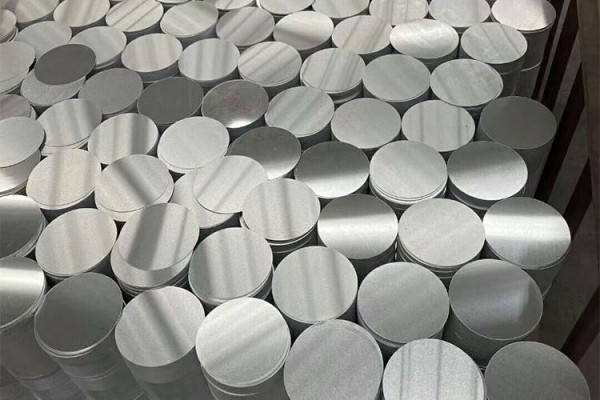
O 1060 liga pertence ao 1série xxx (Alumínio Comercialmente Puro). Por definição, contém ≥99,6% alumínio. Esta pureza ultra-alta é o segredo por trás de sua condutividade térmica superior.
Instantâneo da composição química:
- Alumínio (Al): 99.6% min
- Ferro (Fé):≤ 0.35%
- Silício (E):≤ 0.25%
- Outros:Vestígios de cobre, Manganês, Magnésio, Zinco, Titânio
2.2 Por que a espessura de 1 mm é o padrão ouro para frigideiras
Embora os círculos de alumínio tenham várias espessuras, 1mm é feito sob medida exclusivamente para frigideiras por vários motivos:
- Capacidade de calor vs.. Capacidade de resposta: Ele aquece rapidamente, mas retém massa suficiente para manter a temperatura quando o alimento é adicionado.
- Otimização de peso: Significativamente mais leve que o ferro fundido tradicional ou o aço inoxidável espesso, reduzindo a fadiga do usuário.
- Compatibilidade: Ideal para panelas revestidas com múltiplas camadas (por exemplo, núcleo de alumínio com exterior de aço inoxidável).
3. Principais vantagens de desempenho na fabricação de frigideiras
3.1 Condutividade Térmica Superior: A escolha do chef
O alumínio é conhecido por sua capacidade de transferência de calor. 1060 o alumínio conduz calor aproximadamente 3 vezes mais rápido que o aço inoxidávele 5 vezes mais rápido que o ferro fundido.
- Superfície de cozimento uniforme: Elimina “pontos quentes” que queima comida.
- Economia de energia: Reduz o consumo de gás/eletricidade ao atingir as temperaturas desejadas mais rapidamente.
- Controle preciso de temperatura: Essencial para tarefas delicadas como grelhar peixe ou fazer crepes.
3.2 A Revolução Leve
O perfil de 1 mm reduz drasticamente o peso total do produto acabado.
- Experiência do usuário:Lançamento mais fácil, lançando, e manuseio para todas as faixas etárias.
- Eficiência Logística: Redução dos custos de frete para exportadores e varejistas de comércio eletrônico.
- Fadiga reduzida:Chefs profissionais apreciam panelas mais leves durante longos turnos.
3.3 Estampagem e formabilidade profundas excepcionais
As frigideiras geralmente exigem formatos específicos – lados inclinados para omeletes ou fundos planos para grelhados. 1060 alumínio na têmpera O (recozido) estado exibe plasticidade notável:
- Alto alongamento: Pode se esticar em formas complexas sem estripar ou fraturar.
- Baixo Springback:Mantém a forma estampada com precisão, garantindo dimensões consistentes do produto.
- Desgaste mínimo da ferramenta:Alumínio mais macio prolonga a vida útil de matrizes de estampagem caras.
3.4 Qualidade de superfície ideal para revestimentos antiaderentes
As frigideiras modernas apresentam quase exclusivamente superfícies antiaderentes (PTFE ou cerâmica). O sucesso destes revestimentos depende inteiramente do substrato.
- Acabamento suave do moinho:Fornece uma base uniforme para adesão de primer e acabamento.
- Baixa porosidade:Evita que o revestimento borbulhe ou descasque com o tempo.
- Superfície Limpa:Livre de óleos de rolamento ou contaminantes que possam comprometer a aderência do revestimento.
3.5 Custo-benefício imbatível
Em um mercado competitivo, margens são importantes. 1060 oferece a melhor relação desempenho-preço:
- Custo da matéria-prima: Menor que o cobre, aço inoxidável, ou ligas de alta resistência.
- Velocidade de processamento:Ciclos de estampagem mais rápidos devido à excelente usinabilidade.
- Taxas de alto rendimento:Menos material de sucata em comparação com ligas mais duras.
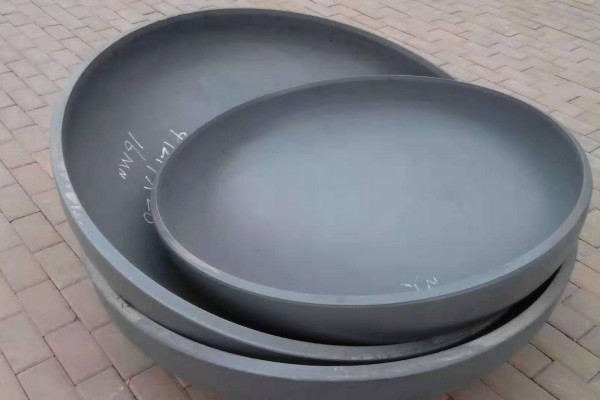
4. Especificações Técnicas: 1060 Círculo de Alumínio 1mm
| Parâmetro | Especificação | Tolerância / Observação |
|---|---|---|
| Liga | 1060 | Alumínio puro comercial |
| Grossura | 1.0 milímetros | +/- 0.02milímetros (Precisão laminada a frio) |
| Temperamento | Ó (Recozido) / H12 / H14 | O-Temper recomendadopara panelas |
| Faixa de diâmetro | 100 milímetros – 800 milímetros | Tamanhos personalizados disponíveis |
| Resistência à tracção | 60 – 95 MPa | Varia de acordo com o temperamento |
| Alongamento (O-temperamento) | ≥ 25% | Excelente para desenho profundo |
| Superfície | Acabamento Brilhante / Fosco | Livre de óleo, arranhões, oxidação |
5. Processo de Fabricação: Do Lingote ao Círculo de Precisão
5.1 Fusão e Fundição DC
A jornada começa com lingotes de alumínio de alta pureza. Em nossos fornos, controlamos meticulosamente os elementos de liga. O metal fundido sofre desgaseificação online e filtração cerâmicapara remover gás hidrogênio e inclusões não metálicas, garantindo uma densidade, microestrutura livre de defeitos.
5.2 Homogeneização e Laminação a Quente
As lajes fundidas são pré-aquecidas a cerca de 500°C. Este processo de homogeneização dissolve, segrega e refina a estrutura do grão. A laminação a quente reduz a laje espessa a uma espessura intermediária (por exemplo, 3-6milímetros), alinhar o fluxo de grãos para aumentar a ductilidade – crucial para a estampagem profunda subsequente.
5.3 Laminação a frio com precisão de 1 mm
Para atingir a espessura exata de 1 mm, o material passa por múltiplas passagens através de um laminador a frio. Este processo não apenas atinge a espessura desejada com precisão em nível de mícron, mas também proporciona uma aparência suave, acabamento superficial brilhante. Recozimento intermediárioé realizado entre passes para manter a têmpera suave necessária para a formação da panela.
5.4 Corte e rebarbação de precisão
A bobina de 1 mm é alimentada em prensas de estampagem de alta velocidade equipadas com matrizes progressivas personalizadas. Cada círculo é perfurado com:
- Limpar bordas:Sem rebarbas que possam interferir nas ferramentas de prensagem.
- Redondeza Perfeita:Crítico para linhas de montagem automatizadas.
- Intercalação:Os círculos são empilhados automaticamente com papel protetor para evitar danos à superfície.
6. Controle de qualidade: Garantindo uma produção com zero defeitos
A Huawei Aluminum emprega um rigoroso protocolo de controle de qualidade para garantir que cada círculo de 1 mm atenda aos padrões internacionais:
- Medição de espessura ultrassônica:Monitoramento contínuo para garantir que a especificação de 1,0 mm seja mantida em toda a largura da bobina.
- Inspeção de superfície: Sistemas de iluminação LED de alta intensidade detectam micro-arranhões, marcas de rolo, ou manchas de óleo.
- Teste de tração:Amostras de lote são testadas quanto à resistência ao escoamento e alongamento para confirmar que atendem aos requisitos de têmpera O para estampagem profunda.
- Teste Simulado de Ventosaterapia (Teste Erichsen): Mede a capacidade do material de esticar sem rachar — um preditor direto do sucesso da estampagem.
- Análise de taxa de brinco:Medimos o “ouvidos” formado durante o desenho. Taxas baixas de brinco significam menos desperdício de corte e maior utilização de material para você.
7. Aplicações de 1060 1mm Círculos de Alumínio
- Frigideiras antiaderentes:A aplicação principal. A bitola de 1mm é perfeita para panelas de até 32cm de diâmetro.
- Panelas de omelete e fabricantes de crepe: Requer excelente resposta térmica e uma superfície lisa.
- Placas para grelhar: Cozimento em grande área de superfície onde o calor uniforme é fundamental.
- Placas Base de Indução: Frequentemente usado como camada central de alumínio em panelas de aço inoxidável triplas.
- Inserções para frigideiras elétricas: Compatível com elementos de aquecimento.
8. Comparação de ligas: 1060 contra. 1050 contra. 3003 para frigideiras
| Recurso | 1060 (Al Puro) | 1050 (Al Puro) | 3003 (Liga Al-Mn) |
|---|---|---|---|
| Todo Conteúdo | ≥99,6% | ≥99,5% | ~98,6% |
| Condutividade Térmica | Excelente (Alto) | Excelente | Bom (Mais baixo) |
| Desenho Profundo | Melhor | Muito bom | Moderado |
| Força | Macio | Mais suave | Um pouco mais difícil |
| Custo | $$ | $ | $$$ |
| Veredicto | Ideal para panelas de 1mm | Bom para panelas rasas | Muito duro/rígido para estampagem profunda de 1mm |
Conclusão: Para uma frigideira com 1 mm de espessura que requer estampagem profunda, 1060 é a escolha superiordevido à sua combinação incomparável de desempenho térmico e conformabilidade.
9. Guia de Aquisições: Como selecionar o melhor 1060 1mm Círculos
9.1 Escolhendo o temperamento certo
Para frigideiras, O-temperamento (Totalmente recozido)é fortemente recomendado. Oferece o maior alongamento, evitando rachaduras durante a primeira puxada do corpo da panela. Evite H14 ou H16, a menos que você esteja fazendo movimentos muito rasos, panelas rígidas.
9.2 Laminado a Quente vs.. Laminado a frio para 1mm?
Embora 1mm geralmente seja alcançado através de laminação a frio, a rota inicial é importante:
- Base Laminada a Quente: Melhor para panelas fundas (por exemplo, woks ou frigideiras profundas). Estrutura de grãos mais uniforme.
- Base laminada a frio: Mais econômico para panelas rasas. Acabamento superficial mais brilhante.
9.3 Principais perguntas a serem feitas ao seu fornecedor
- Qual é a sua taxa média de brinco para círculos de 1 mm?
- Você fornece um certificado de fábrica com cada lote?
- Qual é o acabamento superficial (brilhante vs.. fosco)?
- Como você protege os círculos durante o transporte para evitar danos nas bordas?

10. Por que escolher o alumínio Huawei para os círculos da frigideira de 1 mm?
Alumínio Huaweié um fornecedor líder global especializado em círculos de alumínio para utensílios de cozinha.
- Experiência em Materiais:Compreendemos as demandas específicas da produção de frigideiras.
- Qualidade Consistente:Nosso 1060 1círculos mm apresentam uma taxa de brinco baixa (<5%) e alto alongamento (>28%).
- Personalização:Oferecemos diâmetros de 100 mm a 800 mm com tolerâncias de espessura precisas (+/- 0.02milímetros).
- Certificações:ISO 9001, GV, e compatível com RoHS. Seguro para contato com alimentos.
- Logística: Embalagem robusta e em condições de navegar garante que seu material chegue em perfeitas condições, pronto para produção.
11. Perguntas frequentes (Perguntas frequentes)
1º trimestre: Pode ter 1mm de espessura 1060 círculos de alumínio podem ser usados para frigideiras fundas?
UM: Sim, desde que sejam fornecidos na temperatura O (totalmente recozido) estado. O alto alongamento de 1060 permite que uma folha de 1 mm seja desenhada em formas surpreendentemente profundas sem falhas.
2º trimestre: Uma panela de alumínio de 1 mm deformará em um fogão de vidro??
UM: A deformação geralmente é causada por aquecimento irregular ou design inadequado. Embora 1 mm seja mais fino que as panelas comerciais, usando um medidor um pouco mais grosso (por exemplo, 1.2mm ou 1,5 mm) ou incorporar um fundo com nervuras estampado pode melhorar significativamente o nivelamento e a resistência à deformação.
3º trimestre: Como é que 1060 realizar com revestimentos cerâmicos antiaderentes?
UM: Excelentemente. O suave, superfície limpa do nosso 1060 círculos fornecem uma âncora ideal para revestimentos cerâmicos, garantindo durabilidade duradoura.
4º trimestre: Qual é a diferença entre 1060-O e 1060-H14 para panelas?
UM: 1060-O é macio e dúctil, perfeito para estampar. 1060-H14 é endurecido por deformação, o que significa que é mais rígido, mas muito mais propenso a rachar durante a estampagem profunda. Use o temperamento O para frigideiras.
12. Conclusão: Eleve sua linha de panelas com 1060 1milímetros
O 1060 Círculo de Alumínio 1mm para Frigideiraé mais do que apenas uma matéria-prima; é a base do moderno, eficiente, e panelas fáceis de usar. Sua mistura única de alta condutividade térmica, design leve, e formabilidade superior o torna o campeão indiscutível para fabricantes de frigideiras.
Ao fazer parceria com Alumínio Huawei, você obtém acesso a materiais de qualidade premium respaldados por décadas de experiência metalúrgica. Não vendemos apenas círculos de alumínio; fornecemos a confiabilidade e a consistência que sua linha de produção precisa para prosperar em um mercado global competitivo.
Pronto para otimizar sua produção de frigideiras? Entre em contato com a Huawei Aluminum hoje mesmo para obter uma amostra grátis e consulta técnica.