

家具装飾用アルミニウムディスクの小さな傷を除去: 精密研磨と寸法管理
1. 導入: 家具装飾用アルミニウムディスクの表面品質要件と研磨の問題点
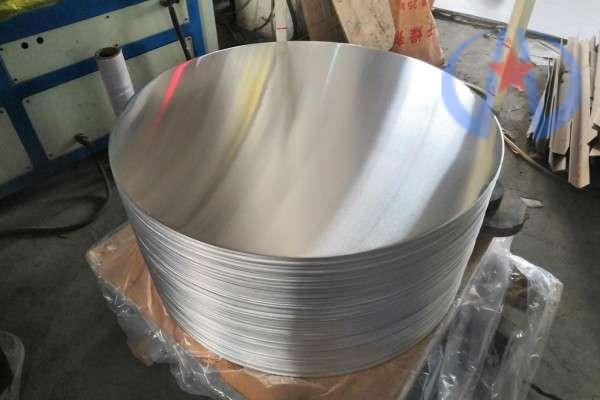
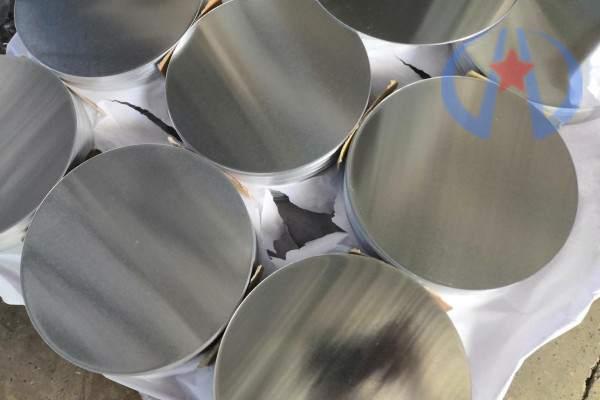
アルミディスク 家具の装飾用 特定の家具のコンポーネントに広く使用されています. これらにはコーヒーテーブルのインレイが含まれます, ワードローブの装飾バックル, ランプベース, およびキャビネットのハンドル - 家具の美観に直接影響を与えるすべての目に見える部品.
特に, 彼らの中核となる品質要件は、2 つの譲れない側面に焦点を当てています。: “視覚的な美学” そして “寸法精度”. 視覚的にアピールするために, 均一な光沢を持つ傷のない表面が不可欠です; 組み立て用, 家具の狭い隙間にフィットするには、直径/厚さの偏差が ≤0.01mm である必要があります。 (例えば, ほぞ穴構造).
これらのアルミニウムディスクのほとんどは、 1050 純アルミニウムまたは 3003 アルミニウム合金. 具体的には, 1050 純アルミニウムは高い延性を発揮します (HV 25-30) 成形しやすいように, その間 3003 強度と加工性を両立した合金 (HV 35-40) 軽荷重に耐えるキャビネットハンドルなどのコンポーネント用.
Surface finishes further vary by furniture style: マット (Ra 0.05-0.1μm) is preferred for modern minimalist designs, while high-gloss (Ra ≤0.03μm) suits luxury styles (例えば, high-end lamp bases).
Unfortunately, minor scratches are the most common defect during production and transportation. These scratches typically range from 1-5μm in depth and 5-20μm in width, caused by either mechanical abrasion (例えば, transit friction) or residual abrasives from prior stamping.
によると 2024 furniture hardware industry data, 38% of aluminum discs require rework due to such scratches. The cost is substantial—a single batch loss averages over 50,000 元. 例えば, ある 20% rework rate on 200mm-diameter, 2mm-thick discs wastes 1,200 個, halting production temporarily.
Traditional polishing processes exacerbate issues with two critical flaws. 初め, uncontrolled mechanical polishing pressure/speed leads to “over-polishing”, 直径の偏差を引き起こす >0.02mm (家具の組み立てと互換性がありません). 2番, 過度の化学研磨による腐食により、厚さが失われます。 >0.015mm, 構造的完全性の弱体化.
したがって, 精密研磨システムが緊急に必要です. 特徴がある必要があります “ターゲットを絞ったスクラッチ除去 + 最小限の寸法損失制御” 特有の小さな傷の特性に対処するため、 家具装飾用アルミニウムディスク.
2. 家具装飾用アルミニウムディスクの傷と材質の特徴: 研磨工程の選択の基準
(1) 主要なパラメータと軽微な傷の危険性
これらのアルミニウム ディスクの小さな傷は、単なる表面的な傷ではなく、 “浅い表面欠陥” 目に見える影響を与える. それらの中核パラメータと製品の危険性については、以下で詳しく説明します。:
|
スクラッチタイプ
|
深度範囲 (μm)
|
幅の範囲 (μm)
|
原因
|
家具の装飾に対する危険性
|
|
機械的摩耗
|
1-3
|
5-15
|
輸送中の硬い物との摩擦
|
不均一な光の反射, 登場する “曇り” 視覚的に製品グレードを下げる
|
|
研磨残留物の傷
|
2-5
|
8-20
|
事前のスタンピング後に洗浄されていない研磨材
|
粉塵の蓄積, 長期間使用すると落ちにくい汚れが発生する
|
|
小さな凹み傷
|
0.8-2
|
10-25
|
スタッキング中の局所的な過圧力
|
“ダークスポット” 高光沢の表面に, 全体的な美観を損なう
|
機械的磨耗は輸送中に最も一般的です. 例えば, このような傷があるコーヒーテーブルのインレイは光の反射を妨げます, 家具の見た目を作る “低品位”—プレミアムブランドにとって大きな懸念事項.
研磨残留物の傷は、キッチンキャビネットのハンドルで特に問題になります。. 油や埃を捕らえます, 消費者が除去できない頑固な汚れを形成する, クレームや返品につながる.
これらを超えて, 小さな凹みの傷により、高光沢のランプベースが台無しになります。. 周囲光の下で, 彼らが創造する “ダークスポット” 均一なミラー効果を壊す, 装飾照明の目的を損なう.
(2) アルミディスク素材の研磨特性の限界
材料の特性により研磨はさらに複雑になります, アルミニウムの固有の特性により厳しい制約が課されるため.
初め, 硬度が低く変形しやすい 挑戦を提起する. 1050 純粋なアルミニウムは HV が非常に低い (25-30)- 研磨圧力が0.3MPaを超えると塑性変形を起こすほど柔らかい. 直径300mmディスクの場合, 0.4MPa の圧力により直径が 0.03 mm 膨張します, 家具をぴったりと合わせるには大きすぎます (例えば, ランプベースソケット).
2番, 酸化されやすいため研磨効果が妨げられます. アルミニウムは自然に 2 ~ 5nm の Al₂O₃ 層を形成します, 非常に高い硬度を持っています (HV 1500). 前処理なし, この層により研磨砥粒が “スリップ”, preventing them from reaching the scratched aluminum substrate—leaving defects unaddressed.
Equally critical is decorative coating compatibility. Some 家具装飾用アルミニウムディスク require post-coating, such as matte paint or wood grain transfer. Excessive chemical polishing damages the base material’s surface activity, reducing coating adhesion by up to 30%. This leads to paint peeling within months of use, a costly quality failure.
3. Polishing Process System and Parameter Optimization for Minor Scratch Elimination
To overcome these challenges, the polishing process is split into three sequential stages: 前処理, main polishing, そして仕上げ. Each stage is designed to build on the previous one, ensuring scratch elimination without compromising dimensions.
The core goal throughout is to balance two priorities: 徹底したキズ除去と最小限の寸法ロス. このバランスは 3 つの戦略によって達成されます: 砥粒勾配制御, 正確なエネルギー/化学物質濃度の調整, リアルタイムの寸法モニタリング.
(1) 前処理工程: 酸化層と表面不純物の除去
前処理は効果的な研磨の基礎です, 傷の除去の障壁を除去することでアルミニウムの表面を準備します。.
何よりもまず, アルカリ脱脂 不可欠です. NaOH 溶液を使用する (5%-8%) そして 0.5% ドデシルベンゼンスルホン酸ナトリウム, 50~60℃に加熱, ディスクを 15 ~ 20 秒間浸します。.
このステップは表面油を対象とします, これはスタンピングの一般的な副産物です. 油は研磨剤の原因となります “塊” 研磨中, 不均一なスクラッチ処理につながる - 一部の領域が過剰に研磨される, 他のものは傷が残っていますが、.
脱脂後, 弱酸漬け 酸化層を除去します. 使用 10%-15% HNO₃ 室温で 5 ~ 8 秒間, Al₂O₃ を 2 ~ 3nm だけ除去します.
重要なことに, 厚みの減少は ≤0.002mm に制御されます, 寸法の問題を回避する. 酸洗後, すぐに脱イオン水で洗い流してください。残留した酸は不可逆的な原因になります。 “白い斑点” その後の研磨で, 修復不可能なもの.
(2) 主な研磨工程: 細かい傷をタイプ別に除去する
ディスクの表面仕上げに合わせた本研磨 (マット/高光沢) そして傷の深さ, アプリケーションごとに異なるアプローチが必要となるため.
1. 機械研磨 (フラットアルミニウムディスクに最適, マット/半光沢仕上げ)
マットまたは半光沢仕上げを必要とするフラットアルミニウムディスク用 (例えば, コーヒーテーブルの象嵌), 機械研磨が理想的. 研磨摩擦を利用して傷を除去します, に続いて “粗いものから細かいものまで” 過度の研磨を避けるためのグリットシーケンス.
|
研磨ステージ
|
Abrasive Type
|
グリット (#)
|
Polishing Pressure (MPa)
|
Polishing Speed (rpm)
|
Single-Pass Time (s)
|
Scratch Removal Depth (μm)
|
Dimensional Deviation Control Measures
|
|
Coarse Polishing
|
Aluminum Oxide Flap Wheel
|
1200
|
0.2-0.25
|
1500-1800
|
20-30
|
1-2
|
を使用してください “floating pressure head” with pressure fluctuation ≤±0.02MPa
|
|
Medium Polishing
|
Silicon Carbide Cloth Wheel
|
2000
|
0.15-0.2
|
1800-2000
|
15-20
|
0.5-1
|
サンプル 3 discs per batch and check thickness deviation with a laser thickness gauge
|
|
Fine Polishing
|
Chromium Oxide Wool Wheel
|
3000
|
0.1-0.15
|
2000-2200
|
10-15
|
0.3-0.5
|
Adopt a “spiral polishing path” to avoid over-polishing the edges
|
Dimensional Control Effect: For a 300mm-diameter aluminum disc, mechanical polishing delivers precise results. Diameter deviation is ≤0.01mm, thickness deviation ≤0.005mm, and the surface Ra 0.05-0.08μm—perfectly meeting furniture matte decoration standards.

2. Electropolishing (Suitable for High-Gloss Aluminum Discs, Ra≤0.03μm)
対照的に, for high-gloss 家具装飾用アルミニウムディスク (例えば, ランプベース), electropolishing is preferred. It uses anodic dissolution to remove scratches, as scratches act as surface protrusions and dissolve first—creating a smooth, reflective finish.
Electrolyte Formula: Mix phosphoric acid (65%-70%), sulfuric acid (20%-25%), 硝酸 (5%-10%), そして 0.5% hexamethylenetetramine (a corrosion inhibitor).
The inhibitor is critical: it prevents local over-dissolution, which would create “穴” on the surface—ruining the high-gloss effect and requiring costly rework.
プロセスパラメータ: Strictly control temperature at 50-60℃, current density at 1.2-1.5A/dm², and treatment time at 30-45s.
Too high a current density (>1.8A/dm²) causes rapid edge dissolution. This leads to diameter deviations >0.015mm, making the disc incompatible with lamp base fixtures—a common failure point in traditional electropolishing.
Dimensional Deviation Control: To avoid uneven dissolution, use a constant-voltage electrolytic power supply (voltage fluctuation ≤±0.5V) and fix the cathode-anode distance at 15mm.
Uneven distance (例えば, 10mm at edges, 20mm in the center) is a frequent mistake, causing edges to thin excessively while the center retains scratches.
効果: When executed correctly, electropolishing completely eliminates 1μm minor scratches. The surface achieves a mirror finish (Ra 0.02-0.03μm), thickness loss is only 0.003-0.004mm, and dimensional deviation is ≤0.008mm.
3. Laser Polishing (Suitable for Special-Shaped Aluminum Discs, 例えば, Curved Decorative Buckles)
When it comes to special-shaped 家具装飾用アルミニウムディスク (例えば, curved wardrobe buckles), laser polishing is the only viable option. It uses high-energy laser beams to melt the aluminum surface, removing scratches without mechanical stress—critical for maintaining the disc’s complex shape.
コアパラメータ: ファイバーレーザーを使用する (波長1064nm), エネルギー密度を 5 ~ 8J/cm² に設定します, スキャン速度は100-150mm/sまで, スキャン時間は 2-3.
スキャンごとに 0.5 ~ 1 μm の材料が除去されます。これは傷を除去するのに十分ですが、寸法を変えるほどではありません。. エネルギー密度が高すぎる (>10J/cm²) 過剰なアルミニウムを溶かす, 作成 “溶融ピット” (溶解ピット) 装飾的な表面に見えるもの.
寸法管理: 精度を確保するために, 視覚測位システムを統合する. リアルタイムでレーザーの焦点を補正します (偏差 ≤±0.01mm), レーザーが 1 つの領域に集中するのを防ぎます (局所的な過剰溶解や寸法誤差の原因となります。).
効果: レーザー研磨により3μmのキズを完全除去. 表面Raは0.04~0.06μm, 寸法偏差は≤0.005mmです, and no mechanical pressure means no disc deformation—essential for curved decorative pieces that must fit specific furniture grooves.
(3) Finishing Process: Repairing Polishing Defects and Stabilizing Dimensions
Finishing is the final quality check, addressing minor flaws and locking in dimensional stability.
初め, バリ取り removes residual aluminum chips. Use ultrasonic cleaning (frequency 40kHz) for 5-10min—this targets tiny chips left from polishing, which can scratch other furniture parts during assembly (例えば, a chip on a cabinet handle could damage the cabinet door finish).
次, final dimensional inspection and fine-tuning ensures accuracy. Use a coordinate measuring machine (accuracy 0.001mm) to check diameter. If deviation exceeds 0.01mm, perform local fine polishing—for example, 0.012mm のエッジのずれは、エッジを研磨することで修正できます。 3000# ウールホイール 0.08MPaで5秒間.
ついに, 抗酸化処理 表面を保護します. シランカップリング剤を5~10nmの厚さでスプレー, 耐酸化性を向上させます. これにより、保管中や輸送中に新たな傷が付くのを防ぎます。, 酸化アルミニウムは他のアルミニウムよりもはるかに傷がつきやすいため、 新鮮なアルミニウム.
4. 研磨に関する一般的な問題と寸法偏差の解決策
最適化されたプロセスであっても, 本番環境で一般的な問題が発生する. 一貫性を保つために, 問題ごとに的を絞った解決策が必要.
よくある問題の 1 つは、 “曇り” 研磨後の表面, マット仕上げでよく見られる. これは過度のグリットジャンプが原因で発生します (例えば, からスキップ 1200# 直接に 3000#), 粗い砂による細かい傷が残ります. これを修正するには, 追加します 2000# 中研磨段階 - 各砥粒を確実に除去します 70% 前段階の傷の, 均一なマットな表面を作成する.
もう一つの典型的な問題は、 電解研磨後のエッジが薄すぎる, 大径ディスクに影響を与える (>250mm) ほとんど. 根本的な原因はカソード端の距離が不均一であることです (<端部10mm). 解決策は、カソードを調整することです。 “環状形状”, アルミニウムディスクの端から均一な 15mm の距離を確保することで、ディスク全体の溶解バランスが保たれます。.
3つ目の課題は、 地元 “ダークスポット” レーザー研磨後, 過剰なエネルギー密度によって引き起こされる (>10J/cm²). これを解決するには, エネルギー密度を 5 ~ 8J/cm² に下げ、スキャン時間を長くします。 2 から 3 - レーザーエネルギーを均一に分散し、過剰な溶融を回避します.
最後に, 寸法誤差が0.015mmを超える場合 機械研磨では通常、オペレーターのミスが原因です (例えば, 圧力>0.3MPaまたは研磨時間延長). リアルタイムアラーム用の圧力センサーを設置します (圧力が0.25MPaを超えると停止) 毎回寸法を検査します 10 ディスク - 問題を早期に発見し、無駄を削減.
5. プロセス検証と業界への応用事例
(1) 性能検証 (300mm×2mm撮影 1050 家具装飾用アルミニウムディスクの例)
最適化されたプロセスを検証するには, 300mm×2mmで総合的なテストを実施 1050 アルミニウム ディスク - コーヒー テーブルのインレイやランプ ベースで最も一般的なサイズの 1 つ.
|
検証項目
|
治療前のステータス
|
機械研磨後 (マット)
|
電解研磨後 (高光沢)
|
家具業界の標準要件
|
|
軽微な傷の深さ
|
2-3μm
|
完全排除
|
完全排除
|
目立った傷なし (深さ ≤0.1μm)
|
|
表面粗さRa (μm)
|
0.2-0.3
|
0.06-0.08
|
0.02-0.03
|
マット ≤0.1, 高光沢 ≤0.05
|
|
直径の偏差 (mm)
|
±0.005
|
±0.008
|
±0.007
|
≤±0.01
|
|
厚さの偏差 (mm)
|
±0.003
|
±0.004
|
±0.003
|
≤±0.005
|
|
Coating Adhesion (クロスカットテスト)
|
—
|
5B (No Peeling)
|
5B (No Peeling)
|
≥4B
|
Mechanical polishing results are ideal for matte applications. 例えば, a 300mm×2mm disc used as a coffee table inlay has no visible scratches, fits perfectly with the table’s frame, and its uniform matte finish complements modern furniture styles.
Electropolished discs excel as lamp bases. Their mirror finish (Ra 0.02-0.03μm) reflects light evenly without dark spots, enhancing the lamp’s decorative value—a key selling point for luxury furniture brands.
Coating adhesion (5B) is another critical result. It means the disc can be painted or printed without peeling, which is essential for wood-grain transfer discs used on wardrobe doors—ensuring long-term durability.
(2) 業界での応用事例: Process Upgrade of a Furniture Hardware Enterprise
To illustrate the practical impact of these optimized processes, を生産する家庭用家具ハードウェア企業を検討してください。 1 百万 家具装飾用アルミニウムディスク 毎年. で 2023, 同社は大手家具ブランドとの提携を脅かす深刻な品質問題に直面していた.
問題: 企業は次のような問題に苦しんでいました 22% 小さな傷による再加工率と 8% 寸法チェックに不合格となった製品の割合. 顧客からの苦情が届いた 12%, 主にについて “不均一なマットな表面” (コーヒーテーブルの象嵌) そして “緩んだランプベース” (直径の偏差による). これらの問題により注文が失われ、 15% 収入の減少.
主な改善点: 物事を好転させるには, 企業は上で概説した最適化された研磨プロセスを採用しました:
- フラットマットディスク用 (例えば, コーヒーテーブルの象嵌): 1200#→2000#→3000#の砥石順序で機械研磨を実施. 圧力が0.25MPaを超えた場合に停止する圧力監視システムを追加.
- 特殊形状高光沢ディスク用 (例えば, curved wardrobe buckles): Used laser polishing with an energy density of 6J/cm² and integrated visual positioning to avoid over-melting.
- For electropolished lamp base discs: Switched to an annular cathode to ensure a uniform 15mm cathode-anode distance, eliminating edge thinning.
結果: The changes delivered transformative results:
- Scratch rework rate dropped from 22% に 3%, and dimensional deviation non-conformity fell from 8% に 0.5%.
- Product qualification rate rose from 70% に 96.5%, reducing annual losses by over 3 百万元.
- Customer complaints plummeted to 1.2%, and the enterprise regained trust from high-end brands like Kuka Home and Oppein Home. 特に, its high-gloss lamp base discs gained a reputation for “uniform mirror finishes”, leading to a 20% increase in orders.
6. 結論と展望
(1) 核となる結論
要約すれば, eliminating minor scratches on 家具装飾用アルミニウムディスク requires strict adherence to three key principles: precision positioning (targeting only scratched areas), gradient treatment (coarse-to-fine processes), and real-time monitoring (preventing dimensional drift).
Pretreatment is non-negotiable: oxide layer removal must be controlled to ≤3nm to expose fresh aluminum without excessive corrosion.
Main polishing processes must be application-specific: mechanical polishing for matte flat discs, electropolishing for high-gloss discs, and laser polishing for special-shaped discs.
Parameter optimization is the final piece of the puzzle. 例えば, mechanical polishing pressure should be limited to 0.1-0.25MPa, and electropolishing current density to 1.2-1.5A/dm². These constraints ensure dimensional deviation stays ≤0.01mm—critical for furniture assembly.
(2) 今後の展開の方向性
将来を見据えて, two areas will drive innovation in aluminum disc polishing for furniture decoration:
初め, intelligent polishing systems will reduce reliance on manual operation. Integrating AI visual inspection (which automatically identifies scratch depth and position) with robotic polishing (which adjusts pressure/energy in real time) will create a closed-loop “scratch-process-dimension” システム. This will improve process stability to over 99% and reduce labor costs by 30%.
2番, eco-friendly polishing technologies will align with global sustainability trends. Developing acid-free pretreatment (例えば, plasma oxide layer removal) will reduce chemical use by 50%, while recyclable electropolishing electrolytes (with a recovery rate ≥80%) will meet strict EU REACH standards—opening up export markets for furniture hardware manufacturers.
(3) 基本原則
結局のところ, the polishing process for these aluminum discs must strike a delicate balance between aesthetics and precision.
Only when scratch elimination and dimensional control work in tandem can the discs meet both furniture assembly needs (tight fits) and decorative requirements (flawless surfaces). This balance is not just a technical requirement—it is the key to upgrading furniture hardware from “functional components” に “decorative assets” that enhance overall furniture value.