
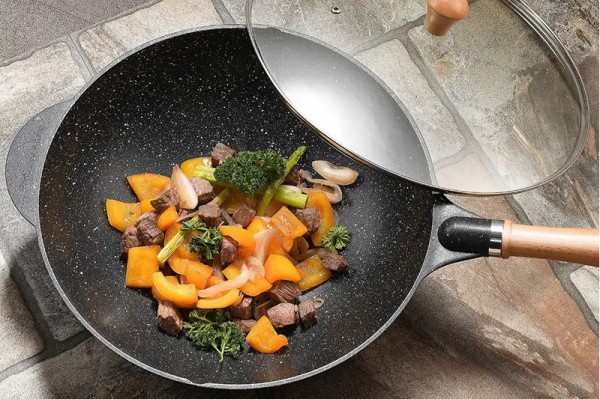
Kontrol Ketebalan Cakram Aluminium yang Presisi dan Dampaknya Terhadap Kualitas Pembentukan Peralatan Masak
Perkenalan
Dapat diandalkan cakram aluminium kontrol ketebalan telah menjadi faktor penentu bagi produsen yang ingin memproduksi secara stabil, peralatan masak presisi tinggi dengan kinerja pembentukan yang konsisten. Ketika merek peralatan masak global meningkatkan ekspektasi terhadap ketahanan produk dan keseragaman pemanasan, jendela toleransi untuk cakram aluminium telah menyempit secara signifikan. Artikel ini memberikan analisis teknis mendalam tentang standar ketebalan, mekanisme di balik pembentukan cacat, dan mengapa penyimpangan kecil sekalipun dapat mempengaruhi hasil produksi peralatan masak secara langsung.
1. Mengapa Akurasi Ketebalan Penting dalam Pembuatan Peralatan Masak
Komponen peralatan masak—terutama panci, panci, bejana tekan, dan peralatan dapur berbahan dasar pemintalan—mengalami perubahan bentuk yang parah. Selama menggambar dalam, pemintalan, atau pembentukan hidrolik, aluminium mengalami tingkat regangan yang tinggi. Ketika ketebalan bervariasi, distribusi regangan menjadi tidak teratur, dan ini berdampak langsung:
Efek Utama dari Penyimpangan Ketebalan
- Daya tarik dan ketahanan retak
- Keseragaman dinding dan permukaan akhir
- Kekuatan mekanik dan umur kelelahan
- Konduksi termal dan keseragaman pemanasan
- Tingkat hasil material dan rasio sisa
Bahkan variasi ±0,02 mm dapat mengubah hasil pembentukan dari halus menjadi tidak stabil, terutama dengan paduan seperti 1050, 1060, Dan 3003, yang banyak digunakan dalam peralatan masak.
2. Standar Teknik untuk Ketebalan Cakram Aluminium
Standar ketebalan industri ditentukan oleh ISO 209, DI DALAM 485, dan ASTM B209. Namun, memerlukan cakram tingkat peralatan masak toleransi yang lebih ketat daripada lembar tujuan umum.
Kisaran Ketebalan Nominal Khas untuk Peralatan Masak
- 0.6–1,2 mm untuk penggorengan
- 1.2–2,0 mm untuk pot stok
- 2.0–4,0mm untuk pressure cooker dan basis induksi
Toleransi yang Direkomendasikan
- Toleransi industri standar: ±0,04–0,08mm
- Toleransi tingkat peralatan masak: ±0,015–0,03mm
- Toleransi kelas atas: ±0,01–0,02mm
Perbedaan presisi ini berkorelasi langsung dengan stabilitas pembentukan dan keselamatan pengguna akhir.
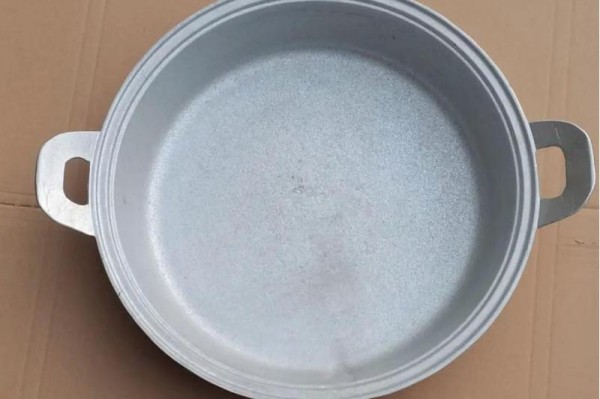
3. Bagaimana Toleransi Ketebalan Mempengaruhi Mekanisme Pembentukan
Untuk memahami bagaimana variasi ketebalan mempengaruhi pembentukan peralatan masak, penting untuk memeriksa perilaku deformasi yang mendasarinya.
3.1 Sensitivitas Gambar Mendalam
Saat menggambar, material meregang menuju radius pukulan.
- Area yang lebih tipis menjadi lebih cepat tegang, menyebabkan penipisan atau retakan lokal.
- Area yang lebih tebal menahan deformasi, menyebabkan aliran flensa berkerut atau tidak rata.
3.2 Sensitivitas Berputar
Pemintalan membutuhkan kekakuan radial yang konstan:
- Perbedaan ketebalan lokal tercipta pelek bergelombang, dinding yang tidak rata, Dan asimetri dimensi.
3.3 Implikasi Termal
Basis peralatan masak memerlukan perpindahan panas yang seimbang:
- Variasi >0.03 mm dapat menyebabkan titik panas, penundaan pemanasan, atau distorsi dari waktu ke waktu.
4. Sumber Penyimpangan Ketebalan di Manufaktur
Memahami akar permasalahan memungkinkan pencegahan hulu yang lebih baik.
4.1 Variasi Bergulir
- Mahkota, baji, tegangan sisa, dan mengukur keseragaman pengaruh penyimpangan kumparan.
4.2 Efek Pengosongan/Stamping
- Pengosongan di luar pusat menghasilkan distribusi ketebalan yang asimetris.
4.3 Metalurgi Bahan
- Inkonsistensi ukuran butir mempengaruhi titik luluh dan respon deformasi.
4.4 Faktor Pers dan Perkakas
- Keausan pahat mengubah gaya geser dan memperburuk gradien ketebalan.
Sistem kendali yang kuat harus mengatasi sumber penyimpangan metalurgi dan mekanis.
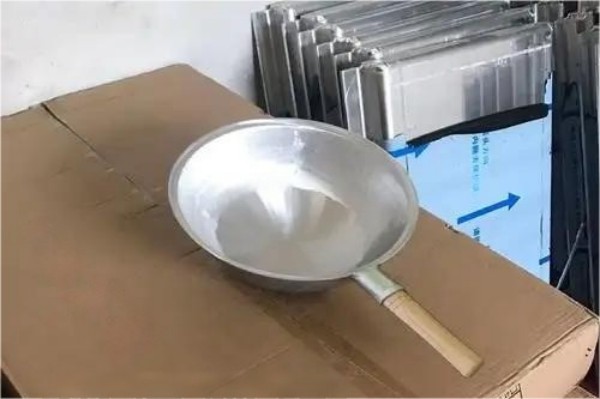
5. Strategi Pengendalian Ketebalan Tingkat Lanjut untuk Pabrik Modern
5.1 Peningkatan Akurasi Bergulir
- AGC (Kontrol Pengukur Otomatis)
- AWC (Kontrol Lebar Otomatis)
- Garis perata tegangan untuk mengurangi irisan kumparan
5.2 Pemantauan Ketebalan Dalam Proses
- Sistem pemindaian laser untuk pemetaan koil
- SPC real-time dengan analisis Cp/Cpk
- Pengambilan sampel multi-titik di setiap blanko
5.3 Membentuk Optimasi
- Gambar multi-tahap mati
- Pelumasan terkontrol untuk mengurangi hambatan
- Kecepatan pukulan yang dioptimalkan untuk meminimalkan lokalisasi regangan
Hal ini memungkinkan pabrik untuk mengurangi tingkat kerusakan dan menstabilkan kualitas cetakan.
6. Standar Ketebalan yang Direkomendasikan untuk Aplikasi Peralatan Masak
Meja 1. Ketebalan yang Direkomendasikan untuk Berbagai Jenis Peralatan Masak
| Jenis Peralatan Masak | Paduan | Ketebalan Khas (mm) | Toleransi yang Direkomendasikan (±mm) |
|---|---|---|---|
| Wajan | 1050 / 1060 | 0.6–1.20 | 0.015–0,025 |
| Panci | 3003 | 1.0–1.60 | 0.02–0,03 |
| Panci Stok | 3003 / 5052 | 1.2–2.0 | 0.02–0,03 |
| Badan Kompor Tekanan | 3003 / 5052 | 2.0–4.0 | 0.015–0,025 |
| Induksi Bawah | 3003 + Berlapis Anti Karat | 3.5–5.0 | 0.02–0,03 |
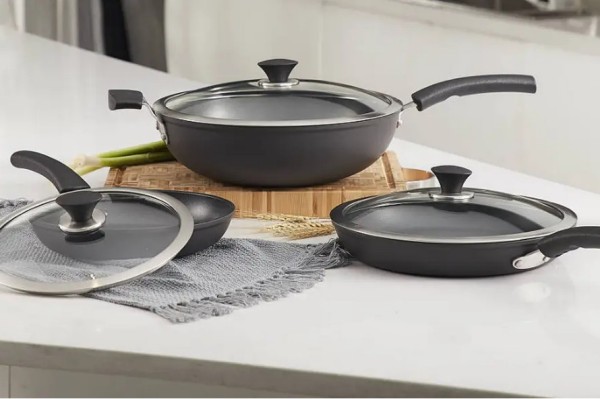
7. Perbandingan: Standar vs. Toleransi Ketebalan Kelas Atas
Meja 2. Perbandingan Toleransi Ketebalan
| Parameter | Lembar Industri Standar | Disk Tingkat Peralatan Masak | Disk Premium Kelas Atas |
|---|---|---|---|
| Rentang Toleransi | ±0,04–0,08mm | ±0,02–0,03mm | ±0,01–0,02mm |
| Stabilitas Tepi | Sedang | Bagus | Bagus sekali |
| Performa Menggambar Mendalam | Tidak stabil di area tipis | Stabil | Sangat stabil |
| Tingkat Hasil | 92–96% | 96–98% | 99%+ |
| Aplikasi yang Cocok | Pembentukan umum | Peralatan masak biasa | Peralatan masak mewah, bejana tekan |
Hal ini jelas menunjukkan mengapa produsen peralatan masak semakin menuntut kontrol yang lebih ketat.
8. Kesimpulan
Konsisten kontrol ketebalan cakram aluminium sangat penting untuk menghasilkan peralatan masak dengan akurasi pembentukan yang tinggi, peningkatan daya tahan, dan kinerja pemanasan yang seragam. Seiring semakin ketatnya persaingan dalam industri peralatan masak global, produsen yang berinvestasi dalam presisi penggulungan tingkat lanjut, inspeksi cerdas, dan optimalisasi tingkat proses akan memperoleh keunggulan kualitas dan biaya yang signifikan. Kontrol toleransi yang lebih ketat tidak hanya meningkatkan stabilitas produksi namun juga memperkuat daya saing pasar dan kepuasan pengguna akhir.