
The Real Cost Factors Behind Aluminum Circle Price Fluctuation
Understanding aluminum circle price fluctuation requires a comprehensive analysis of raw materials, alloy composition, production efficiency, supply chain, energy costs, and market demand cycles. Each factor contributes to the volatility seen in both domestic and international aluminum circle markets.

1. Raw Material Costs: Deep Dive
Raw material cost accounts for 50–70% of the total aluminum circle cost. Fluctuations in LME aluminum prices, alloying element premiums, and regional energy prices can directly translate into final product price swings.
1.1 Primary Aluminum Price
- Primary aluminum, usually purchased as ingots, dominates the cost structure.
- Energy-intensive production and global supply-demand balance heavily influence LME prices.
- Example: During 2024–2025, energy cost surges in China raised domestic aluminum prices by 15–18%, directly impacting circle prices.
1.2 Alloy Composition
- Alloying elements such as Mn, Mg, Si, Cu affect both performance and cost.
- 1050/1060: Standard cookware, low alloy content → lower cost
- 3003: Higher Mn for deep-drawing → moderate cost
- 5052: High Mg for corrosion resistance → higher cost
Table 1: Alloy Composition and Cost Impact
| Alloy Type | Main Elements | Cost Impact vs Base Aluminum (%) | Typical Applications |
|---|---|---|---|
| 1050 | Al ≥ 99.5% | +0–5% | Basic cookware, packaging |
| 3003 | Al 96.8–97.5%, Mn 1–1.5% | +10–15% | Deep-drawing cookware, industrial use |
| 5052 | Al 97.5%, Mg 2.2–2.5% | +20–25% | Corrosion-resistant cookware, marine, automotive |
1.3 Energy and Other Material Costs
- Aluminum circle production is energy-intensive. Melting, rolling, and annealing consume electricity/gas.
- Energy cost can fluctuate 10–20%, especially in regions with variable electricity tariffs.
- Lubricants, packaging, and pre-treatment materials account for 5–10% of total cost.
2. Production Process Costs: Precision Matters
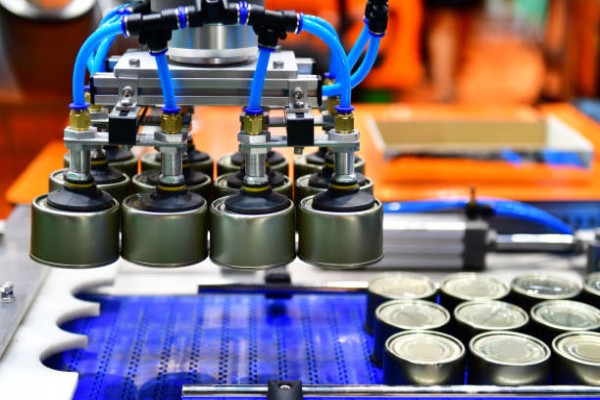
Production stages include casting, hot/cold rolling, annealing, surface treatment, and inspection. Each step adds cost and affects yield.
2.1 Casting
- Vacuum or semi-continuous casting reduces porosity and inclusions.
- Scrap from poor casting can reach 5–10%.
2.2 Rolling
- Multi-pass rolling achieves tighter thickness tolerance but consumes more energy.
- Cluster mills enable ultra-thin aluminum circles for high-end cookware.
2.3 Annealing & Surface Treatment
- Batch or continuous annealing improves ductility, reduces internal stresses.
- Surface cleaning and polishing improve coating adhesion.
- Advanced processes may increase cost by 5–10% but reduce long-term defects.
Table 2: Production Cost Contribution by Process Stage
| Process Stage | Standard Cost (%) | High-End Technique (%) | Key Notes |
|---|---|---|---|
| Casting | 30 | 35 | Vacuum casting reduces defect rate |
| Rolling | 25 | 30 | Cluster rolling improves thickness precision |
| Annealing | 15 | 20 | Continuous annealing ensures flatness |
| Surface finishing | 10 | 15 | High-quality cleaning for coating adhesion |
| Scrap & yield loss | 10 | 5 | Lower scrap improves cost-efficiency |
| Labor & overhead | 10 | 10 | Skilled operators improve production consistency |
2.4 Case Study: Henan Huawei Aluminum Co., Ltd
Henan Huawei upgraded their rolling and annealing lines in 2024:
- Scrap reduced from 12% → 5%
- Production yield increased by 8–10%
- Unit cost decreased by ~6%
- Result: More stable aluminum circle pricing, even during raw material price surges.

3. Supply Chain and Logistics Costs: Hidden Volatility
Even after production, logistics can add 5–10% to total costs.
3.1 Transportation
- Sea freight and land transport costs fluctuate with fuel prices.
- Shipping 1 ton of aluminum circle can cost USD 50–150 depending on region.
3.2 Tariffs & Trade Policies
- Export tariffs to EU/US may increase overall cost by 3–8%.
- Trade disputes can cause sudden price hikes.
3.3 Inventory & Storage
- Aluminum circles are sensitive to surface damage.
- Proper storage (climate-controlled, clean environment) reduces defects but adds cost.
Example: In 2023, global port congestion increased shipping costs by USD 60–80 per ton, pushing total price of exported aluminum circles up ~5%.
4. Market Demand Dynamics
Aluminum circle demand is driven by cookware, beverage cans, packaging, and electronics. Price fluctuations occur when supply cannot immediately meet demand.
- Cookware: Seasonal demand increases 3003/5052 circle orders
- Beverage cans: Production cycles affect 1100/8011 aluminum circles
- Industrial shifts: EV battery and electronics growth spikes demand for 5052/3003 alloy
Example: EV battery production in Southeast Asia (2023) increased 5052 alloy circle prices by 10% in three months.
5. Integrated Cost Model
Real aluminum circle price = Raw materials + Production process + Logistics + Market demand
Henan Huawei Aluminum Co., Ltd demonstrates cost stabilization strategies:
- Precision casting and advanced rolling to reduce defects
- Real-time surface inspection to minimize scrap
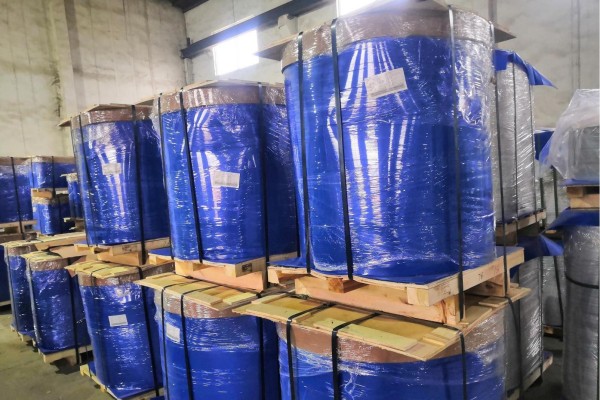
- Streamlined logistics and inventory management
Result: Stable prices even when raw material costs and global market demand fluctuate.
6. Quantitative Comparison Table: Alloy Pricing
| Alloy Type | Standard Cost (USD/ton) | High-End Quality Cost | Key Applications |
|---|---|---|---|
| 1050 | 2,500–2,700 | 2,800–3,000 | Basic cookware, packaging |
| 3003 | 2,800–3,200 | 3,300–3,600 | Deep-drawing cookware |
| 5052 | 3,200–3,600 | 3,700–4,000 | Corrosion-resistant cookware, marine, automotive |
7. Common Questions (FAQ)
Q1: Why do aluminum circle prices fluctuate frequently?
A: Driven by primary aluminum prices, alloy costs, energy, production efficiency, logistics, and market demand.
Q2: How does alloy composition affect pricing?
A: High Mn, Mg, or specialty elements increase production cost, directly impacting circle prices.
Q3: Can production efficiency reduce volatility?
A: Yes. Higher yield, lower scrap, and precise rolling reduce unit cost and sensitivity to raw material price swings.
Q4: How significant are shipping and tariffs?
A: Logistics contribute 5–10% of total cost. Tariffs may increase export cost 3–8%.
Q5: Why do suppliers like Henan Huawei Aluminum Co., Ltd maintain stable pricing?
A: By controlling yield, optimizing processes, and upgrading production lines, they reduce exposure to raw material and market fluctuations.
8. Recommendations for Buyers and Industry Professionals
- Monitor LME aluminum prices and regional alloy premiums.
- Work with suppliers who optimize yield and minimize scrap.
- Plan inventory and logistics in advance to reduce exposure to cost spikes.
- Understand seasonal demand cycles for specific alloys (e.g., 3003/5052).
- Consider high-quality suppliers like Henan Huawei Aluminum Co., Ltd for consistent pricing and reliable supply.