
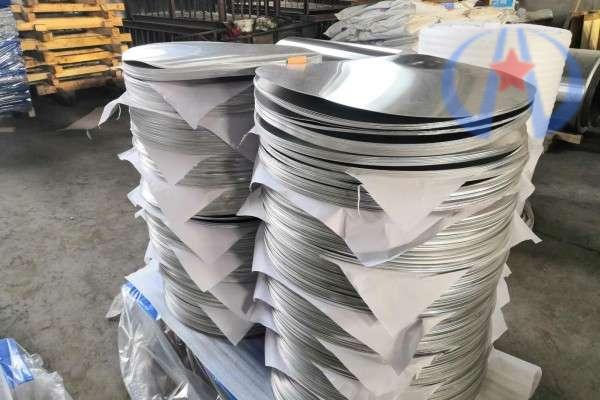
What impact will the black spots or corrosion spots on the surface of aluminum discs have on the finished kitchenware after processing?
HW-A. Introduction: Industry Background and Research Significance of Surface Defects on Aluminum Discs for Kitchenware
Aluminum discs for kitchenware (main grades: 1060, 3003, 5052) are core substrates for kitchenware manufacturing. They are widely used in products such as frying pans, pressure cookers, and rice cooker inner liners.
Their surface quality directly determines the “appearance, performance, and safety” of finished kitchenware. Industry research shows that approximately 15%-20% of defective finished kitchenware originates from surface defects of these discs.
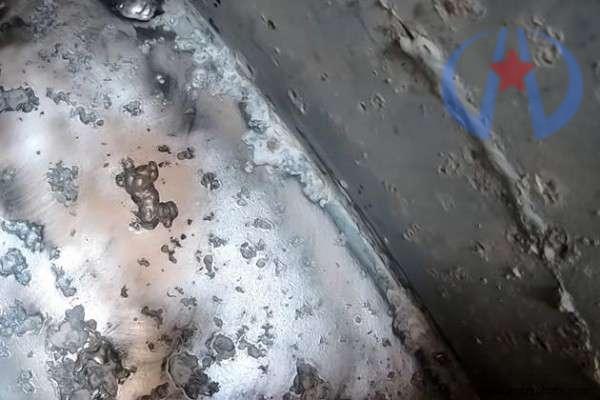
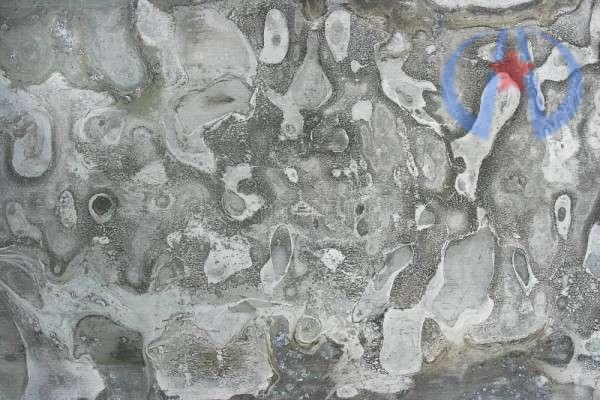
Among these defects, black spots (black dot-like or sheet-like stains with a diameter of 0.1-2mm) and corrosion spots (irregular gray-white/dark brown eroded areas with a depth of 0.01-0.1mm) account for over 60% (source: 2024 Substrate Quality Report by China Kitchenware Association).
Notably, these two types of defects are not merely appearance issues. Black spots mainly result from carbonization of rolling oil residues, uneven grain oxidation, or storage contamination of the discs. Corrosion spots, by contrast, are caused by electrochemical corrosion and pickling residues.
Both defects are transmitted to finished products through processing procedures (stamping, stretching, coating). This transmission exerts cascading impacts on the service life, food safety, and user experience of kitchenware. A full-chain analysis from “defect nature → finished product impact → prevention logic” is therefore necessary.
HW-B. Definition of Causes and Microscopic Characteristics of Black Spots and Corrosion Spots
To analyze their impacts on finished products, it is first necessary to clarify the causes and microscopic differences of the two types of defects. This avoids misdirection in prevention efforts.
The table below systematically compares their core characteristics:
Table 1: Comparison of Causes and Microscopic Characteristics of Black Spots and Corrosion Spots on Aluminum Discs for Kitchenware
|
Defect Type
|
Cause Category
|
Core Inducing Factor
|
Microscopic Characteristics
|
Detection Method
|
Typical Element Composition (EDS)
|
|
Black Spots
|
Carbonization of rolling oil residues
|
Rolling oil residue >5mg/m² during cold rolling, followed by carbonization during annealing (300-400℃)
|
Irregular sheets, thickness 0.5-2μm, strong adhesion
|
Scanning Electron Microscope (SEM)
|
C (60%-70%), O (20%-25%), Al (5%-10%)
|
|
Black Spots
|
Uneven grain oxidation
|
Inadequate homogenization annealing of Grade 1060 (<380℃/<2h), grain size difference >30μm
|
Dot-like oxide layer, diameter 0.1-0.5μm, distributed at grain boundaries
|
Metallographic Microscope (500x)
|
Al₂O₃·Fe₂O₃ (Fe: 2%-5%)
|
|
Black Spots
|
Storage contamination
|
Contact with dust (carbon black, SiO₂) or packaging exudates, adsorption at humidity >65%
|
Irregular dots, surface roughness Ra >1.5μm
|
White Light Interferometer
|
C (50%-60%), Si (5%-8%), Al (30%-35%)
|
|
Corrosion Spots
|
Acid residue corrosion
|
Incomplete rinsing after pickling (10%-15% HNO₃), surface residual H⁺ >10⁻⁵mol/L
|
Gray-white honeycomb shape, depth 0.02-0.1mm, local depression
|
Eddy Current Thickness Gauge + SEM
|
O (30%-35%), N (3%-8%), Al (60%-65%)
|
|
Corrosion Spots
|
Corrosion by Cl⁻-containing media
|
NaCl in storage environment (coastal salt), Cl⁻ penetrating Al₂O₃ film to form pitting nuclei
|
Irregular pits, white AlCl₃·6H₂O products at edges
|
Salt Spray Test + EDS
|
Cl⁻ (5%-12%), O (25%-30%), Al (55%-60%)
|
From Table 1, it is clear that each defect type has distinct triggers and microscopic features. This distinction directly guides the development of targeted prevention measures.
HW-C. Multi-Dimensional Impacts of Surface Defects on Finished Kitchenware
After the aluminum discs are processed into finished kitchenware through stamping, stretching, and coating (anodization/non-stick coating), the impacts of black spots and corrosion spots extend from “surface to function.” These impacts are reflected in four key aspects:
(A) Appearance Degradation: Directly Affecting Product Grading and Market Acceptance
The kitchenware industry has clear grading standards for finished product appearance (e.g., QB/T 2421 Aluminum and Aluminum Alloy Non-Stick Pans). Black spots and corrosion spots directly cause product downgrading.
For high-end kitchenware (priced above 500 CNY), the standard requires no visible defects (0 black spots/m², 0 corrosion spots/m²). If the discs have defects, processing amplifies them: black spots extend into 2-5mm long black streaks, and corrosion spots show color-difference depressions. A defect rate exceeding 0.5% leads to direct customer returns—for example, a brand suffered over 2 million CNY in return losses in 2023.
By contrast, mid-range kitchenware (100-500 CNY) allows up to 3 small black spots/m² (diameter <0.3mm), but no corrosion spots. Corrosion spots cause coating shrinkage cavities (0.5-1mm) after spraying, resulting in an uneven surface. This increases the slow-moving rate by over 30%—a frying pan model once saw monthly sales drop from 5,000 to 3,000 units due to this issue.
Meanwhile, low-end kitchenware (under 100 CNY) has looser standards: up to 10 black spots/m² and 2 small corrosion spots/m² (area <1mm²). Even so, defects accelerate coating aging. After 3-6 months of use, coatings at defects peel off, exposing the substrate. This pushes user complaint rates to 25%, compared to only 5% for defect-free products.
Furthermore, defects affect “sensory experience.” For example, black spots on frying pans cause uneven heat absorption during heating. This leads to local overheating of the pan bottom—such as “burnt edges and undercooked center of fried eggs”—reducing user satisfaction.
(B) Structural Strength Attenuation: Shortening Service Life and Increasing Safety Risks
Black spots and corrosion spots damage the continuity of the aluminum disc substrate. This leads to “local stress concentration” in finished kitchenware during use, triggering deformation, cracking, and other issues.
Tests using a universal testing machine (GB/T 228.1) and impact test (GB/T 229) highlight key differences in mechanical properties:
- Tensile Strength: For frying pans made from Grade 3003 discs with corrosion spots (depth 0.05mm), the pan bottom’s tensile strength decreases from 150MPa to 120MPa—a 20% reduction.
- Yield Strength: The corresponding yield strength drops from 120MPa to 95MPa (a 20.8% reduction). The room-temperature creep rate also rises from 1×10⁻⁹/s to 5×10⁻⁸/s.
- Impact Strength: At the handle connection (a processed area of the disc), impact strength falls from 25kJ/m² to 18kJ/m². This increases the fracture probability by 60%.
From a material mechanics perspective, the “stress concentration factor Kt” at defects reaches 2.5-3.0 (compared to Kt≈1.0 in normal areas). When kitchenware bears external forces or thermal stress, stress accumulates preferentially at defects. Once exceeding the substrate’s fracture strength, failure occurs.
(C) Food Safety Risks: Harmful Substance Migration and Excessive Aluminum Leaching
Aluminum kitchenware must comply with GB 4806.3 National Food Safety Standard – Aluminum Tableware and Containers. Defects damage the substrate’s passivation layer (Al₂O₃), enabling harmful substances to migrate into food.
- Excessive Aluminum Leaching: Normal aluminum kitchenware leaches ≤0.1mg/dm² of aluminum in acidic food (e.g., pH=3 tomato sauce)—meeting GB 4806.3 limits. Damaged passivation layers, however, push leaching to 0.3-0.8mg/dm². Long-term use may cause excessive aluminum intake, increasing neurological disease risks.
- Migration of Heavy Metals and Harmful Ions: Carbonized oil residues in black spots may contain heavy metals (e.g., Zn, Pb in the disc’s rolling oil additives). Corrosion spots, meanwhile, retain Cl⁻, NO₃⁻, and other ions. Tests show defective pans release 0.5mg/kg of Zn (below the 1.0mg/kg GB 4806.3 limit) and 2.0mg/kg of Cl⁻ during cooking. Though not 超标,long-term accumulation harms food flavor and safety.
- Microbial Contamination Risks: Pits from corrosion spots trap food residues (e.g., oil, protein). Regular cleaning cannot fully remove these residues, leading to bacterial growth (e.g., E. coli, Staphylococcus aureus). Experiments show used frying pans with corrosion spots have 10³ CFU/cm² of bacteria—5 times that of defect-free pans—raising food poisoning risks.
Special Note: For kitchenware with non-stick coatings (e.g., PTFE), coatings at defects peel easily. While PTFE itself is stable, ingested coating fragments may release harmful substances from binders (e.g., epoxy resin).
(D) Processing Interference: Reducing Efficiency and Increasing Costs
Surface defects of the aluminum discs cause problems in stamping, coating, and other processing links. This leads to production interruptions and higher costs—actual data from a kitchenware factory illustrates this:
- Stamping Link: Discs with black spots increase the friction coefficient from 0.15 to 0.3. This triples mold jamming rates. The stamping defect rate rises from 3% to 12%, with each machine requiring 2 daily shutdowns for maintenance. Productivity drops by 15%.
- Coating Link: Coating adhesion at defects is only Grade 3-4 (Grade 1 is required by GB/T 9286). The rework rate reaches 18%, adding 20 CNY to the cost per unit. Even after rework, 30% of products still have color differences.
- Pretreatment Link: Secondary pickling can remove some defects, but it reduces disc thickness by 0.01mm per cycle. This pushes the scrap rate (due to exceeding GB/T 3880.2’s ±0.03mm tolerance) up by 8%.
HW-D. Full-Chain Prevention Strategies for Surface Defects
To address the above impacts, a full-chain prevention system must cover “raw material control → storage environment → processing technology → finished product inspection.”
(A) Raw Material Control: Incoming Inspection to Intercept Defects
Incoming inspection of raw discs is key to blocking defects at the source. Specific standards are outlined below:
Table 3: Incoming Inspection Items and Standard Requirements for Aluminum Disc Raw Materials for Kitchenware
|
Inspection Category
|
Inspection Item
|
Executive Standard
|
Inspection Method
|
Qualification Threshold
|
Handling of Non-Qualified Products
|
|
Appearance Inspection
|
Quantity and size of black spots
|
QB/T 2421
|
Machine vision inspection (20-megapixel, 10 discs/min)
|
≤0.1/m² (diameter <0.3mm)
|
Direct rejection
|
|
Appearance Inspection
|
Area of corrosion spots
|
QB/T 2421
|
Machine vision + eddy current thickness gauge
|
0/m² (depth >0.01mm is defined as corrosion)
|
Direct rejection
|
|
Composition Inspection
|
Element composition (EDS)
|
GB/T 14849.1
|
Energy Dispersive Spectrometer
|
Cl⁻ <5%, N <3%, Fe <2%
|
Trace to manufacturer, batch isolation
|
|
Mechanical Inspection
|
Tensile strength/yield strength
|
GB/T 228.1
|
Universal testing machine (gauge length 50mm, tensile speed 5mm/min)
|
Grade 3003: σb≥150MPa, σ0.2≥120MPa
|
Batch sampling; full inspection if unqualified
|
|
Cleanliness Inspection
|
Rolling oil residue
|
GB/T 18570.6
|
Solvent extraction (ethanol + n-hexane mixed solvent)
|
≤3mg/m²
|
Rework cleaning (50-60℃ alkaline cleaner, 5min)
|
|
Microscopic Inspection
|
Grain size
|
GB/T 6394
|
Metallographic microscope (500x, intercept method)
|
Grade 1060: ≤20μm, size difference ≤10μm
|
Return to manufacturer for re-annealing
|
(B) Storage Environment Optimization: Inhibiting Defect Formation
Beyond incoming inspection, optimizing storage is critical to stopping defect growth.
- Temperature and Humidity Control: Maintain the disc warehouse at 20-25℃ with relative humidity ≤60%. Install dehumidifiers and temperature-humidity recorders to avoid corrosion from high humidity. In coastal areas, add moisture-proof layers (e.g., polyethylene film) to isolate air-borne Cl⁻.
- Packaging and Isolation: Use vacuum packaging for the discs to block oxygen and moisture. Separate each package with wooden pallets to prevent surface scratches from stacking pressure. Prohibit co-storage with Cl⁻-containing or acidic substances (e.g., cleaning agents, fertilizers).
- Turnover Cycle Management: Limit disc storage to ≤3 months. Experiments show corrosion spot incidence rises from 2% to 8% for discs stored 6 months. Implement a “first-in, first-out” system to prioritize using newer raw materials.
(C) Processing Technology Optimization: Reducing Defect Transmission
Optimizing processing parameters minimizes defect amplification during production.
- Pretreatment Upgrade: Adopt a three-stage process: “alkaline cleaning (5% NaOH, 40℃, 3min) → pickling (10% HNO₃, 25℃, 2min) → passivation (chromium-free passivator, e.g., phytic acid, 30℃, 5min).” This removes oil residues and minor corrosion, while forming a dense 2-3μm passivation film to boost corrosion resistance.
- Stamping Parameter Adjustment: For discs with minor black spots, increase stamping lubricant concentration from 5% to 8% to reduce friction. Adjust blank holder force from 8kN to 10kN to avoid cracking at defects during stretching.
- Coating Improvement: For high-risk discs, use “sandblasting pretreatment (Ra 1.0-1.2μm) + electrostatic spraying (coating thickness 60-80μm).” Sandblasting eliminates small pits, and electrostatic spraying improves uniformity—raising Grade 1 adhesion products from 70% to 95%.
(D) Finished Product Inspection and Traceability: Ensuring End Quality
- Multi-Level Inspection: Before shipment, conduct visual checks (30cm distance, 500lux illumination) for appearance defects. Use eddy current gauges to verify wall thickness uniformity, ensuring corrosion spots do not cause excessive thickness deviation. Conduct food safety tests (e.g., ICP-MS for aluminum leaching) to meet GB 4806.3.
- Traceability System: Assign unique codes to each disc batch, recording manufacturer, storage time, and processing parameters. This enables rapid defect source tracing to avoid batch issues.
- Customer Feedback Loop: Collect feedback on appearance and usage failures. Count defect types and rates, and optimize measures regularly. For example, one factory reduced disc storage humidity from 60% to 55%, cutting corrosion spot incidence by 40%.

HW-E. Industry Application Case: Defect Prevention in a Kitchenware Enterprise
A large-scale kitchenware enterprise (annual output: 10 million aluminum units) faced 15% appearance defects and 20% customer complaints in 2022 due to disc defects. Significant improvements were achieved through targeted measures:
- Raw Material End: Signed agreements with disc suppliers requiring ≤0.1 black spots/m² and ≤0.05 corrosion spots/m². Incoming inspection 合格率 rose from 70% to 98%.
- Storage End: Renovated the disc warehouse, installing a constant temperature-humidity system. Adopted vacuum packaging + moisture-proof pallets and shortened storage to 2 months. Corrosion spot incidence dropped from 8% to 2%.
- Processing End: Introduced the three-stage pretreatment and machine vision inspection. Stamping defect rates fell from 12% to 3%, and coating rework rates dropped from 18% to 5%.
- Finished Product End: Established a “appearance → performance → safety” inspection system. Factory qualification rates rose from 85% to 99.5%, and customer complaints fell to 3%. Annual losses recovered exceeded 5 million CNY.
HW-F. Conclusions and Outlook
In summary, the impacts of black spots and corrosion spots on finished kitchenware are “multi-dimensional and cascading.” From appearance degradation to structural failure, and from food safety risks to reduced efficiency, each issue damages enterprise profits and brand reputation.
The core of prevention lies in “source control + process optimization.” By implementing strict incoming inspection (as in Table 3), scientific storage, and precise processing, defects are nipped in the bud.
Looking ahead, intelligent technologies will drive “predictive prevention.” For example, AI vision systems (recognition accuracy ≥99.8%) can real-time screen disc defects. Digital twin technology can simulate storage and processing to predict risks in advance.
Additionally, developing corrosion-resistant alloys (e.g., 3003+0.1%Zr) will enhance defect resistance from the material level. This will push the kitchenware industry toward “high quality, high safety, and high efficiency.”
At its core, preventing disc surface defects is not just “post-failure repair” but “full-chain quality control.” Only by integrating defect awareness into raw materials, processing, storage, and finished products can high-quality kitchenware that meets consumer needs be produced.