

Hot Rolled Aluminum Sheets: Composition, Properties and Industrial Applications
Hot rolled aluminum sheets are widely used in many industries. They offer unique performance for diverse manufacturing needs. This article explores their key attributes in detail.
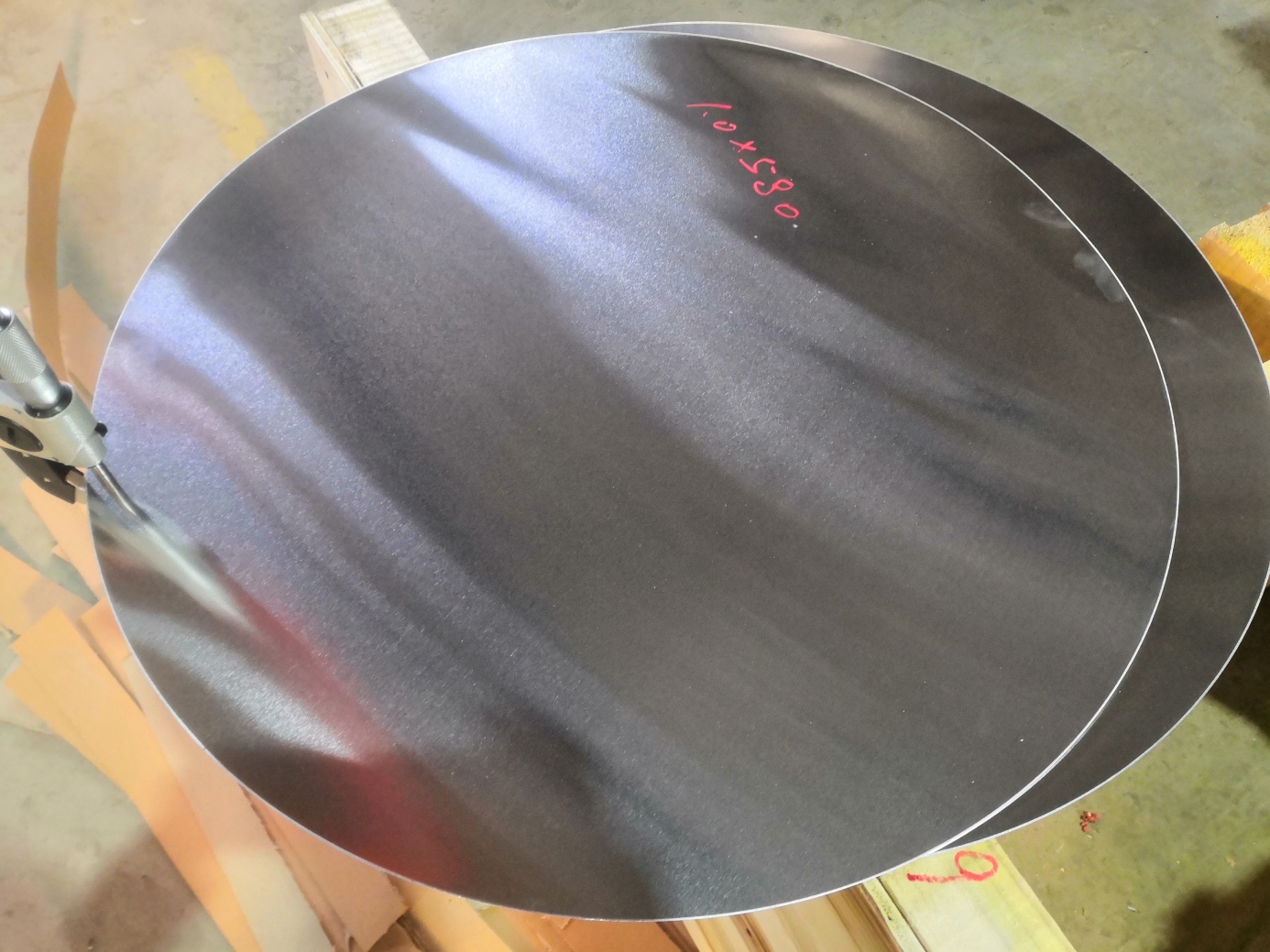
1. Chemical Composition of Hot Rolled Aluminum Sheets
Hot rolled aluminum sheets use high-purity aluminum with specific additives. These additives enhance targeted performance traits. The table below details their chemical makeup.
|
Chemical Component
|
Common Alloy Series
|
Content Range
|
Role in Performance
|
|
Aluminum (Al)
|
1xxx, 3xxx, 5xxx
|
95.0% – 99.9%
|
Provides base strength and ductility
|
|
Silicon (Si)
|
3xxx, 6xxx
|
0.2% – 1.5%
|
Improves formability and weldability
|
|
Iron (Fe)
|
All series
|
0.1% – 0.7%
|
Enhances structural stability
|
|
Copper (Cu)
|
2xxx, 7xxx
|
0.1% – 5.6%
|
Boosts tensile strength
|
|
Magnesium (Mg)
|
5xxx, 6xxx
|
0.2% – 5.0%
|
Enhances corrosion resistance and hardness
|
|
Manganese (Mn)
|
3xxx
|
0.8% – 1.5%
|
Improves strength without reducing ductility
|
Each component works together to define the alloy’s traits. For example, 1xxx series hot rolled aluminum sheets have over 99% aluminum. They excel in corrosion resistance for basic applications. 5xxx series adds magnesium, making them ideal for marine use. 6xxx series combines silicon and magnesium for balanced strength and formability. Without these precise ratios, hot rolled aluminum sheets would fail to meet industry demands. High aluminum content ensures ductility for rolling. Additives like copper tailor strength for specific uses.
2. Key Parameters of Hot Rolled Aluminum Sheets
Parameters determine how hot rolled aluminum sheets fit different industrial needs. They vary by alloy and application. The table below lists standard and customizable parameters.
|
Parameter Category
|
Standard Range
|
Customizable Options
|
Application Suitability
|
|
Thickness
|
2mm – 100mm
|
1mm – 150mm
|
Thin for automotive parts, thick for structural components
|
|
Width
|
1000mm – 2500mm
|
500mm – 3000mm
|
Narrow for small parts, wide for panels
|
|
Length
|
2000mm – 6000mm
|
1000mm – 12000mm
|
Short for batches, long for large structures
|
|
Surface Roughness
|
Ra 1.6μm – 6.3μm
|
Ra 0.8μm – 12.5μm
|
Smooth for appliances, rough for adhesion
|
|
Flatness Tolerance
|
≤ 3mm/m
|
≤ 1mm/m (precision)
|
Ensures even installation in construction
|
These parameters directly impact application performance. A 2mm thick sheet suits automotive body panels. A 50mm thick sheet works for heavy machinery frames. Width affects production efficiency. A 2000mm wide sheet reduces welding for large tanks. Length matches manufacturing line needs. A 6000mm long sheet minimizes joins in shipbuilding. Surface roughness matters too. Ra 1.6μm sheets work for decorative appliances. Ra 6.3μm sheets improve paint adhesion in construction.
Hot rolled aluminum sheets must meet these parameters. Manufacturers test each batch for consistency. This ensures every sheet performs as expected in its intended use.
3. Mechanical Properties of Hot Rolled Aluminum Sheets
Mechanical properties define how hot rolled aluminum sheets withstand stress and processing. They include strength, flexibility, and wear resistance. The table below outlines key mechanical traits.
|
Mechanical Property
|
Tested Value (1xxx Series)
|
Tested Value (5xxx Series)
|
Test Method
|
Relevance to Applications
|
|
Tensile Strength
|
90MPa – 120MPa
|
200MPa – 300MPa
|
Universal Tensile Tester
|
Resists breaking under load
|
|
Yield Strength
|
30MPa – 60MPa
|
150MPa – 250MPa
|
Universal Tensile Tester
|
Prevents permanent deformation
|
|
Elongation at Break
|
20% – 30%
|
10% – 20%
|
Tensile Test
|
Allows forming into shapes
|
|
Brinell Hardness (HB)
|
20 – 30
|
50 – 70
|
Brinell Tester
|
Withstands impact in use
|
|
Fatigue Strength
|
30MPa – 40MPa (10⁷ cycles)
|
80MPa – 100MPa (10⁷ cycles)
|
Fatigue Test
|
Endures repeated stress
|
These properties vary by alloy. 1xxx series sheets have high elongation for easy forming. They work for food packaging or simple parts. 5xxx series sheets have higher strength for marine or structural use. Tensile strength ensures sheets hold weight in construction. Yield strength stops deformation in automotive parts. Elongation lets manufacturers bend sheets into curves for tanks or pipes.
In use, mechanical properties prevent failure. A bridge component made from 5xxx series sheets handles traffic loads. A food can from 1xxx series sheets resists crushing during transport. Hot rolled aluminum sheets balance these properties better than many materials. Steel is stronger but heavier. Plastic lacks strength for heavy use. Aluminum sheets offer a practical middle ground.
4. Features of Hot Rolled Aluminum Sheets
Hot rolled aluminum sheets have distinct features that make them versatile. These features set them apart from cold rolled or other metal sheets.
- Excellent Ductility: They stretch and bend easily without cracking. Manufacturers form them into complex shapes like tank heads or automotive fenders. This flexibility suits custom manufacturing needs.
- Uniform Structure: Hot rolling creates a consistent grain structure. This ensures even performance across the entire sheet. No weak spots appear in critical applications like aircraft parts.
- Cost-Effective Production: Hot rolling uses less energy than cold rolling. It processes large aluminum blocks efficiently. This lowers production costs for bulk orders.
- Wide Thickness Range: They come in thicknesses from 1mm to 150mm. Thin sheets work for lightweight parts. Thick sheets handle heavy loads in construction.
- Good Thermal Conductivity: They transfer heat quickly and evenly. This makes them ideal for heat exchangers or cooking equipment.
Each feature addresses industrial needs. Ductility supports custom designs. Uniform structure ensures reliability. Cost-effectiveness fits budget constraints. Thickness range covers diverse uses. Thermal conductivity expands application scope.
Hot rolled aluminum sheets combine all these features. This makes them a top choice for industries from automotive to aerospace.

5. Advantages of Hot Rolled Aluminum Sheets
Compared to other metal sheets, hot rolled aluminum sheets offer clear advantages. These advantages drive their widespread industrial use.
- Lightweight: They weigh 1/3 of steel sheets of the same size. A 1m², 5mm thick aluminum sheet weighs 13.5kg. A steel sheet of the same size weighs 39kg. This reduces product weight in automotive and aerospace. Lighter vehicles use less fuel. Lighter aircraft carry more cargo.
- Corrosion Resistance: They form a natural oxide layer. This layer prevents rust and degradation. Even in humid or coastal environments, they last for years. Steel needs painting or coating for similar protection. Aluminum sheets save maintenance costs.
- Recyclable: They are 100% recyclable with no quality loss. Recycling uses 95% less energy than producing new aluminum. This supports sustainability goals in manufacturing. Companies reduce their carbon footprint by using recycled sheets.
- Easy Machining: They cut, drill, and weld easily. Standard tools handle aluminum sheet processing. This speeds up production time. Manufacturers meet tight deadlines without special equipment.
- Long Lifespan: They last 20 – 50 years in outdoor use. Their corrosion resistance and durability prevent early replacement. This lowers long-term costs for infrastructure projects.
These advantages solve common industry problems. Weight reduction improves fuel efficiency. Corrosion resistance cuts maintenance. Recyclability supports eco-friendly practices. Easy machining boosts productivity. Long lifespan reduces replacement costs.
Hot rolled aluminum sheets outperform alternatives in these areas. They offer a balance of performance, cost, and sustainability.
6. Applications of Hot Rolled Aluminum Sheets
Hot rolled aluminum sheets find use in nearly every major industry. Their versatility fits diverse manufacturing needs.
6.1 Automotive Industry
The automotive industry relies heavily on hot rolled aluminum sheets.
- Body Panels: Thin sheets (2mm – 5mm) make door panels, hoods, and trunks. They reduce vehicle weight by 15% – 20% compared to steel. This improves fuel efficiency and lowers emissions. 5xxx series sheets are common here for strength and corrosion resistance.
- Chassis Components: Medium sheets (5mm – 10mm) form frame rails and crossmembers. They handle road stress while keeping weight low. Weldability makes assembly easy for manufacturers.
- Heat Exchangers: Sheets (1mm – 3mm) with good thermal conductivity make radiators and condensers. They transfer heat efficiently to cool engines and air conditioning. 1xxx series sheets work well for this due to high purity.
Automakers choose hot rolled aluminum sheets for cost and performance. They meet strict safety standards while improving vehicle efficiency.
6.2 Construction Industry
Construction uses hot rolled aluminum sheets for infrastructure and buildings.
- Structural Beams: Thick sheets (10mm – 50mm) form I-beams and support columns. They hold heavy loads in bridges, stadiums, and high-rises. 6xxx series sheets offer balanced strength and ductility.
- Roofing and Siding: Medium sheets (3mm – 8mm) make roofing panels and wall cladding. Their corrosion resistance withstands rain, snow, and UV rays. They last 30 – 50 years without replacement.
- Window Frames: Thin sheets (1mm – 3mm) form durable window frames. They resist warping in temperature changes. Their lightweight design eases installation on tall buildings.
Construction projects benefit from the sheets’ durability and sustainability. They reduce maintenance costs and support green building standards.
6.3 Aerospace Industry
The aerospace industry demands high-performance materials like hot rolled aluminum sheets.
- Aircraft Fuselage: Medium sheets (4mm – 8mm) form fuselage sections. They balance strength and weight for safe flight. 7xxx series sheets are used here for high tensile strength.
- Wing Components: Thin to medium sheets (2mm – 6mm) make wing skins and ribs. They withstand aerodynamic forces during flight. Their uniform structure ensures no weak points in critical areas.
- Interior Parts: Thin sheets (1mm – 2mm) form cabin walls and overhead bins. They are lightweight and fire-resistant. Easy machining allows custom designs for passenger comfort.
Aerospace manufacturers trust hot rolled aluminum sheets for reliability. They meet strict aviation standards for safety and performance.
6.4 Packaging Industry
The packaging industry uses hot rolled aluminum sheets for food and beverage containers.
- Food Cans: Thin sheets (0.2mm – 0.5mm) make can bodies and lids. They are non-toxic and protect food from contamination. 1xxx series sheets are ideal here for purity and ductility.
- Bottle Caps: Very thin sheets (0.1mm – 0.3mm) form screw-on caps for beverages. They seal tightly to keep drinks fresh. Corrosion resistance prevents rust from moisture.
- Foil Containers: Ultra-thin sheets (0.05mm – 0.1mm) make takeout containers and baking trays. They are heat-resistant and recyclable. Easy forming creates custom shapes for different foods.
Packaging companies value the sheets’ safety and sustainability. They meet food contact standards while reducing environmental impact.
6.5 Marine Industry
The marine industry uses hot rolled aluminum sheets for boats and offshore structures.
- Hull Panels: Medium sheets (5mm – 15mm) form boat hulls and decks. They resist saltwater corrosion better than steel. Their lightweight design improves boat speed and fuel efficiency. 5xxx series sheets are common here.
- Offshore Platforms: Thick sheets (15mm – 50mm) form support structures for oil rigs. They withstand harsh ocean conditions—waves, salt spray, and strong winds. Durability prevents costly repairs in remote locations.
- Piping Systems: Medium sheets (3mm – 10mm) make pipes for fuel and water transport. They resist corrosion from saltwater and chemicals. Smooth interior surfaces reduce fluid flow resistance.
Marine manufacturers choose hot rolled aluminum sheets for longevity. They handle harsh conditions while keeping maintenance low.
6.6 Electrical Industry
The electrical industry uses hot rolled aluminum sheets for conductivity and safety.
- Heat Sinks: Sheets (2mm – 8mm) with good thermal conductivity make heat sinks for electronics. They cool microchips, LEDs, and power supplies. 1xxx series sheets work well here for high conductivity.
- Power Cable Sheaths: Thin sheets (1mm – 3mm) form protective covers for power cables. They resist moisture and mechanical damage. Lightweight design eases cable installation over long distances.
- Transformer Cores: Thin sheets (0.3mm – 1mm) with low electrical resistance make transformer cores. They improve energy efficiency by reducing eddy current losses. Precision flatness ensures tight core assembly.
Electrical manufacturers rely on the sheets’ conductivity and reliability. They meet strict performance standards for energy efficiency.
7. Conclusion
Hot rolled aluminum sheets are essential materials in modern manufacturing. Their chemical composition tailors performance to specific needs. Precise parameters fit diverse application requirements. Strong mechanical properties support processing and use. Unique features enable versatility across industries. Clear advantages outperform alternative materials. Wide applications cover automotive, construction, aerospace, and more.
Every aspect of these sheets is designed for industrial practicality. They reduce weight while maintaining strength. They resist corrosion while being recyclable. They are easy to process while lasting decades. Manufacturers trust them to meet strict standards and deadlines.
As industries evolve, hot rolled aluminum sheets will adapt. New alloys will offer higher strength or better sustainability. Advanced rolling techniques will improve precision and efficiency. Their role in manufacturing will remain critical for years to come.
For engineers, manufacturers, and project managers, hot rolled aluminum sheets are a reliable solution. They balance performance, cost, and sustainability better than most materials. In a world focused on efficiency and eco-friendliness, these sheets will continue to drive innovation across industries. They are not just a material—they are a foundation for modern manufacturing success.