
Aluminum Cookware Market in Burkina Faso: Features, Consumption Patterns, and Industrial Supply Chain Analysis
Aluminum cookware Burkina Faso represents one of the most practical and economically sustainable cookware solutions in West Africa, driven by climate conditions, local cooking traditions, income structure, and material availability. As Burkina Faso continues to experience gradual urban growth and increased domestic manufacturing interest, aluminum cookware remains a cornerstone product for both household consumption and small-scale commercial food preparation.

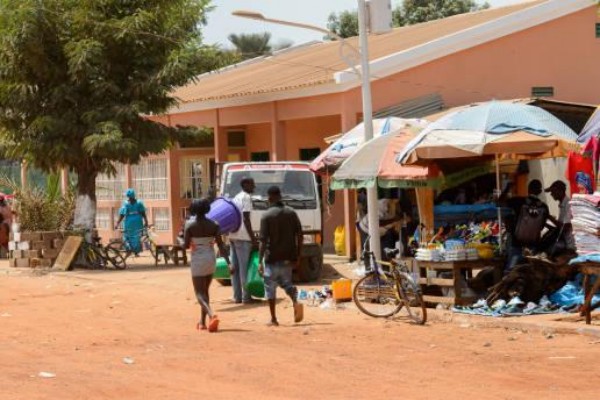
1. Overview of Burkina Faso: National Features Shaping Cookware Demand
Burkina Faso is a landlocked country located in West Africa, bordered by Mali, Niger, Benin, Togo, Ghana, and Côte d’Ivoire. Its geographic position and socioeconomic structure play a direct role in shaping consumer preferences for kitchenware materials.
1.1 Climate and Environmental Conditions
Burkina Faso experiences a predominantly hot, semi-arid climate, with extended dry seasons and high average daytime temperatures. These conditions significantly influence cookware performance requirements:
- Cookware must dissipate heat efficiently
- Fuel efficiency is critical due to cooking energy costs
- Materials must tolerate repeated heating cycles
Aluminum, with its high thermal conductivity, naturally aligns with these needs.
1.2 Population Structure and Cooking Habits
The country has a young population with strong reliance on home-prepared meals. Traditional dishes such as tô (maize or millet porridge), rice-based meals, and stews require:
- Deep cooking pots
- Uniform heating
- Large-capacity cookware for family use
These factors explain why aluminum cookware dominates over ceramic or glass alternatives.
2. Cultural and Economic Drivers Behind Aluminum Cookware Adoption
2.1 Income Sensitivity and Purchasing Behavior
Burkina Faso remains a price-sensitive market, especially outside major urban centers like Ouagadougou and Bobo-Dioulasso. Consumers prioritize:
- Initial purchase cost
- Product lifespan
- Ease of replacement
Aluminum cookware offers a favorable cost-to-performance ratio compared to stainless steel or enamel-coated products.
2.2 Informal and Semi-Formal Food Economy
Street food vendors, small restaurants, and family-run kitchens form a significant part of the food economy. These operators require cookware that is:
- Lightweight for mobility
- Easy to clean
- Resistant to deformation
This creates continuous replacement demand, reinforcing aluminum cookware’s market stability.

3. Aluminum Cookware Product Categories in Burkina Faso
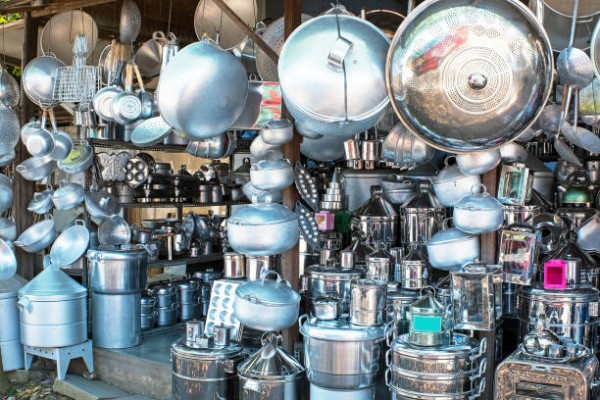
Aluminum cookware products in Burkina Faso can be broadly categorized as follows:
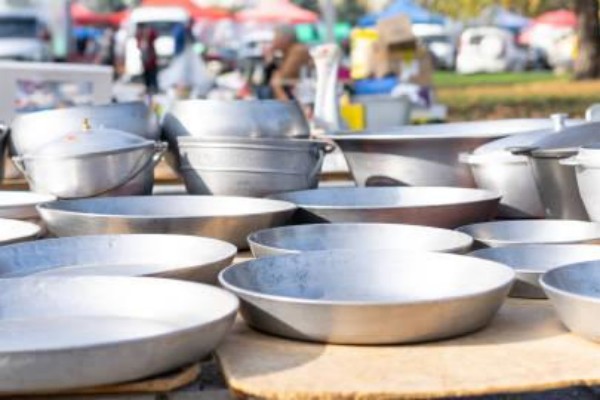
- Household cooking pots
- Frying pans and shallow pans
- Large-volume community pots
- Lids, kettles, and auxiliary items
3.1 Household Cooking Pots
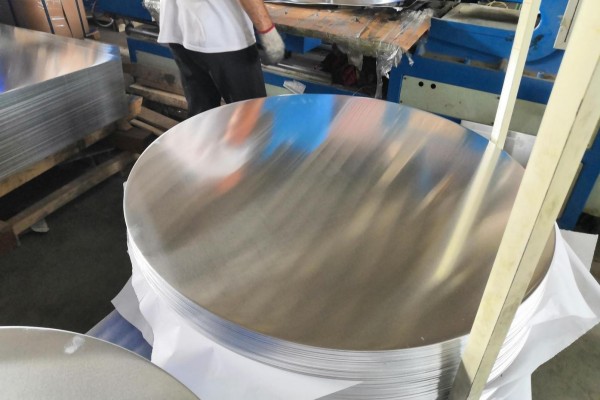
These represent the largest volume segment, typically produced using aluminum circles through deep drawing or spinning processes.
3.2 Commercial and Community Cookware
Large aluminum pots are commonly used for:
- Community events
- Religious gatherings
- School and workplace canteens
Their lightweight nature significantly reduces handling risk compared to cast iron alternatives.
4. Material Performance Analysis: Why Aluminum Outperforms Alternatives
4.1 Thermal Efficiency
Aluminum conducts heat approximately 4–5 times faster than stainless steel, allowing faster cooking and lower fuel consumption.
4.2 Weight and Ergonomics
Compared to cast iron, aluminum cookware weighs significantly less, reducing:
- Physical strain
- Transportation cost
- Risk of workplace injury
5. Comparative Material Evaluation Table
| Performance Factor | Aluminum Cookware | Stainless Steel | Cast Iron |
|---|---|---|---|
| Heat conductivity | Excellent | Moderate | Low |
| Fuel efficiency | High | Medium | Low |
| Weight | Light | Medium | Heavy |
| Cost | Low–Medium | Medium–High | Medium |
| Suitability for Burkina Faso | Very High | Medium | Low |
This comparison highlights why aluminum cookware remains dominant in local markets.
6. Aluminum Alloys Commonly Used in Cookware Manufacturing
Aluminum cookware performance depends heavily on alloy selection.
| Alloy Grade | Key Characteristics | Typical Application |
|---|---|---|
| 1050 | High purity, excellent formability | Pots, lids |
| 1060 | Slightly higher strength | Frying pans |
| 3003 | Improved strength with Mn | Heavy-duty cookware |
These alloys offer a balance between deep drawing performance and durability.
7. Case Study: Local Distributor Transition to Aluminum Cookware
In 2022, a cookware distributor operating in central Burkina Faso transitioned from mixed-material sourcing to exclusively aluminum cookware products.
Key Outcomes:
- Retail price reduced by ~12%
- Product complaints decreased significantly
- Improved supplier consistency
This transition demonstrated how aluminum cookware aligns with both consumer expectations and supply chain efficiency.
8. Supply Chain Structure for Aluminum Cookware in Burkina Faso
8.1 Raw Material Import Dependence
Burkina Faso relies on imported aluminum semi-finished products, including:
- Aluminum sheets
- Aluminum circles
8.2 Role of Overseas Manufacturers
Chinese aluminum producers play a critical role in providing stable, cost-effective raw materials suitable for cookware manufacturing.
9. Henan Huawei Aluminum Co., Ltd: Industry Experience and Market Contribution
Henan Huawei Aluminum Co., Ltd is a recognized aluminum material supplier with extensive experience in cookware-related aluminum products.
9.1 Product Capabilities
- Aluminum circles with strict thickness tolerance
- Consistent grain structure for deep drawing
- Stable alloy chemistry control
9.2 African Market Reference
A West African cookware manufacturer using aluminum circles supplied by Henan Huawei Aluminum Co., Ltd achieved:
- Lower cracking rates during forming
- Improved production yield
- Expanded product line without tooling changes
This demonstrates the importance of reliable upstream material quality.
10. Logistics and Packaging Considerations for Landlocked Markets
Burkina Faso’s landlocked position increases the importance of:
- Moisture-resistant packaging
- Stable pallet stacking
- Long-distance transport protection
Suppliers with export-grade packaging standards gain competitive advantage.
11. Regulatory and Quality Expectations
Although cookware regulation in Burkina Faso is less restrictive than in Europe or North America, buyers increasingly value:
- Consistent thickness
- Smooth surface finish
- Reduced deformation risk
These expectations gradually raise the technical bar for suppliers.
12. Manufacturing Processes for Aluminum Cookware Used in Burkina Faso
The performance and lifespan of aluminum cookware are not only determined by alloy selection but also by the manufacturing process. In markets such as Burkina Faso, where cookware is often exposed to repeated heating, mechanical handling, and heavy daily use, process stability becomes a decisive factor.
12.1 Aluminum Circle Preparation
Most aluminum cookware begins with aluminum circles produced from rolled aluminum sheets. Critical process controls include:
- Thickness tolerance consistency
- Edge trimming quality
- Surface cleanliness
Poorly prepared circles often lead to uneven wall thickness and premature failure during use.
12.2 Deep Drawing and Spinning Processes
Two forming methods dominate cookware production:
| Process | Advantages | Limitations |
|---|---|---|
| Deep drawing | High efficiency, uniform shape | Requires stable material quality |
| Metal spinning | Flexible design, small batches | Lower production speed |
For mass-market cookware distributed in Burkina Faso, deep drawing remains the preferred method due to cost efficiency.

13. Surface Treatment and Durability Considerations
13.1 Surface Finish Types
Common surface finishes include:
- Mill finish (natural aluminum)
- Polished finish
- Anodized surface (limited use in price-sensitive markets)
Mill finish cookware remains the most widely accepted option due to its affordability and ease of maintenance.
13.2 Oxidation and Long-Term Use
Natural oxidation forms a protective layer on aluminum surfaces, which improves corrosion resistance over time. This characteristic is particularly valuable in hot climates with fluctuating humidity.
14. Fuel Efficiency and Energy Cost Impact
Fuel cost is a hidden but critical factor in cookware selection. Aluminum cookware’s fast heat response leads to:
- Reduced cooking time
- Lower charcoal or gas consumption
- Improved temperature control
For small food vendors, this translates directly into daily cost savings.
15. Real-World Application Case: Street Food Operators
In Bobo-Dioulasso, a group of street food vendors replaced older steel pots with aluminum cookware over a six-month trial period.
Observed Results:
- Average cooking time reduced by approximately 15%
- Fuel usage decreased measurably
- Improved handling safety due to lighter weight
This practical outcome reinforces aluminum’s suitability for intensive daily use environments.
16. Supply Chain Reliability and Quality Consistency
16.1 Importance of Stable Suppliers
Cookware manufacturers supplying Burkina Faso require aluminum material partners capable of:
- Consistent alloy composition
- Repeatable mechanical properties
- Predictable delivery schedules
Inconsistent material quality increases scrap rates and production downtime.
16.2 Role of Established Aluminum Producers
Henan Huawei Aluminum Co., Ltd has positioned itself as a reliable upstream supplier by maintaining strict internal quality control across rolling, annealing, and cutting stages.
This consistency allows cookware manufacturers to standardize tooling and reduce process variability.
17. Cost Structure Breakdown of Aluminum Cookware
Understanding cost drivers helps buyers and distributors make informed decisions.
| Cost Component | Percentage Range |
|---|---|
| Raw aluminum material | 45–55% |
| Forming and processing | 20–25% |
| Labor | 10–15% |
| Packaging and logistics | 5–10% |
Raw material quality directly impacts total cost by influencing scrap rates and productivity.
18. Market Entry Strategy for Burkina Faso
18.1 Product Positioning
Successful cookware products in this market are typically positioned as:
- Durable
- Affordable
- Easy to maintain
Overly premium positioning often limits volume growth.
18.2 Distribution Channels
Common channels include:
- Wholesale markets
- Regional distributors
- Informal retail networks
Flexibility in packaging size and product assortment improves penetration.

19. Comparison: Imported Finished Cookware vs Local Assembly
| Factor | Imported Finished Cookware | Local Assembly |
|---|---|---|
| Initial investment | Low | Medium |
| Unit cost | Higher | Lower |
| Customization | Limited | High |
| Supply flexibility | Medium | High |
Local assembly using imported aluminum materials increasingly attracts interest due to cost control advantages.
20. Quality Expectations from Buyers and End Users
Although regulatory enforcement remains limited, buyer expectations are rising in areas such as:
- Uniform wall thickness
- Smooth rim edges
- Resistance to deformation
Suppliers meeting these expectations gain repeat orders and stronger distributor loyalty.
21. Long-Term Sustainability and Recycling Value
Aluminum cookware offers long-term environmental advantages:
- High recyclability
- Established scrap value
- Reduced waste compared to coated cookware
Recycling also supports informal economic activity, adding secondary value beyond initial use.
22. Risk Factors and Mitigation Strategies
22.1 Common Risks
- Inconsistent raw material supply
- Transport delays
- Quality variation between batches
22.2 Mitigation Approaches
- Partnering with experienced suppliers
- Pre-shipment inspection
- Long-term supply agreements
These strategies reduce operational uncertainty.

23. Frequently Asked Questions
Q1: What thickness range is commonly used for aluminum cookware?
Typical thickness ranges from 1.2 mm to 3.0 mm depending on pot size and application.
Q2: Does aluminum cookware deform easily?
Properly manufactured cookware using suitable alloys resists deformation under normal cooking conditions.
Q3: Is special maintenance required?
No. Regular cleaning with mild detergent is sufficient for long-term use.
Q4: Can aluminum cookware handle open-flame cooking?
Yes. It performs well under charcoal, gas, and wood-fired cooking setups.
24. Buyer Checklist for Aluminum Cookware Sourcing
| Evaluation Item | Key Consideration |
|---|---|
| Alloy grade | Formability and durability |
| Thickness tolerance | Product consistency |
| Surface quality | Cleaning and usability |
| Supplier track record | Delivery reliability |
Using a structured evaluation process improves sourcing outcomes.
25. Strategic Outlook for the Burkina Faso Cookware Market
Urban growth, population dynamics, and informal food economies continue to support steady demand growth. Aluminum cookware remains well positioned due to its functional and economic advantages.
Manufacturers and distributors that prioritize material quality, cost control, and local usage patterns will maintain a competitive edge.
Conclusion
Burkina Faso’s national characteristics, cooking culture, and economic structure create a strong foundation for aluminum cookware demand. From household kitchens to street food operations, aluminum cookware provides a practical balance of performance, affordability, and durability.
With experienced material suppliers such as Henan Huawei Aluminum Co., Ltd, cookware manufacturers can achieve stable production quality and long-term market sustainability while serving the evolving needs of West African consumers.
If you need to calculate the weight of the aluminum round pieces, please click here: Aluminum Round Piece Weight Calculator