

Introduction of Anodized Aluminum Discs
Anodized aluminum discs, also known as aluminum disks or wafers, have become a staple in various industries due to their superior properties. These discs are crafted from aluminum sheets through processes like stamping or cutting, followed by anodizing, which enhances their utility in high-end applications. This article delves into the advantages, manufacturing processes, applications, and the reasons behind the popularity of anodized aluminum discs.
Advantages of Anodized Aluminum Discs
Anodized aluminum discs stand out due to several key advantages:
- Enhanced Surface Hardness: The anodizing process increases the surface hardness, making these discs more resistant to scratches and wear.
- Corrosion Resistance: Anodization forms a protective oxide layer, significantly improving resistance against corrosion.
- Wear Resistance: The oxide layer also enhances the material’s wear resistance, crucial for long-lasting products.
- Aesthetic Appeal: Anodized aluminum discs can be dyed in various colors, providing a decorative finish alongside functional benefits.
- Improved Thermal and Electrical Conductivity: While maintaining aluminum’s inherent conductivity, the anodized layer ensures these properties are not compromised.
Table 1: Performance Data of Anodized Aluminum Discs
| Property | Anodized Aluminum Discs | Non-Anodized Aluminum Discs |
|---|---|---|
| Surface Hardness | 60-70 HV (Vickers Hardness) | 20-30 HV |
| Corrosion Resistance | Excellent | Poor |
| Wear Resistance | High | Low |
| Thermal Conductivity | 205-236 W/mK | 205-236 W/mK |
| Electrical Conductivity | 35-61% IACS (International Annealed Copper Standard) | 35-61% IACS |
Manufacturing Process
The manufacturing process for anodized aluminum discs includes:
- Preparation: Starting with aluminum sheets of various alloys like 1000, 3000, 5000, 6000, and 8000 series.
- Cutting or Stamping: The sheets are cut or stamped into circular blanks.
- Anodizing:
- Cleaning: The discs are thoroughly cleaned to remove any impurities.
- Electrolytic Anodizing: The aluminum discs are immersed in an electrolytic solution where an electric current is applied, forming a controlled oxide layer on the surface.
- Coloring (Optional): The anodized surface can be dyed in a variety of colors through electrolytic coloring.
- Sealing: The oxide pores are sealed to lock in the color and enhance durability.
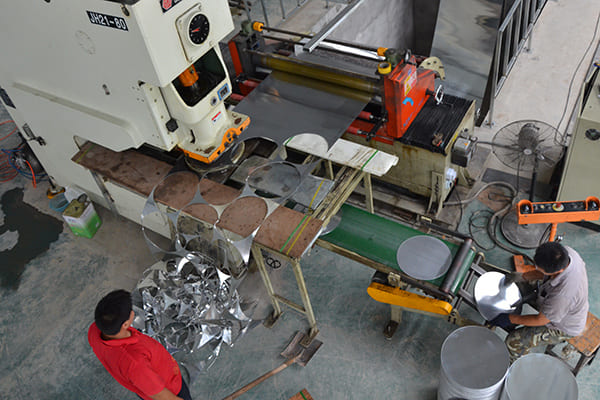
Applications
Anodized aluminum discs are utilized across various sectors:
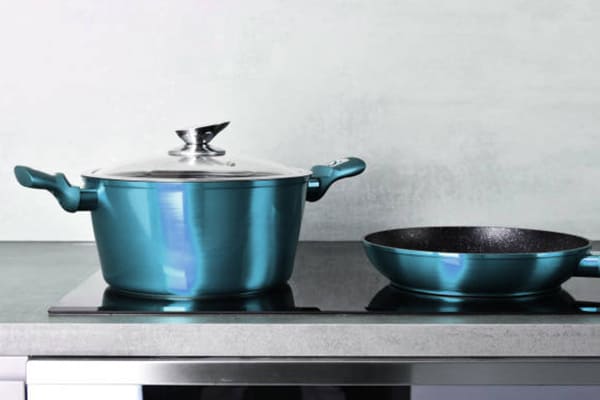
- Cookware: Ideal for non-stick pans, pressure cookers, and other high-end cooking utensils due to their durability and heat efficiency.
- Lighting Industry: Used in lamp shades, reflectors, and other lighting components for their reflective properties and aesthetic appeal.
- Electronics: For enclosures and components requiring electrical insulation.
- Automotive and Aerospace: For parts needing strength, corrosion resistance, and lightweight properties.
- Pharmaceuticals and Cosmetics: As packaging materials due to their inert and hygienic nature.
Table 2: Industry Applications and Specifications
| Industry | Application | Typical Alloy | Thickness (mm) | Diameter (mm) |
|---|---|---|---|---|
| Cookware | Non-stick pans, Pressure Cookers | 1050, 3003 | 0.5 – 4.0 | 100 – 980 |
| Lighting | Lamp shades, Reflectors | 1100 | 0.5 – 1.5 | 100 – 1250 |
| Electronics | Enclosures, Components | 5052, 6061 | 0.3 – 10 | 100 – 1200 |
| Automotive | Structural Components | 5083, 6061 | 1.0 – 10 | 100 – 1200 |
Comparison with Similar Products
- Ordinary Aluminum Discs: Anodized aluminum discs offer superior surface hardness, corrosion resistance, and wear resistance compared to their non-anodized counterparts. They also provide a wider range of color options, enhancing product aesthetics.
- Stainless Steel: While stainless steel is known for its corrosion resistance, anodized aluminum discs are lighter, more malleable, and offer better thermal conductivity, making them preferable for applications where weight and heat transfer are critical.
Request for Quotation (RFQ)
When considering purchasing anodized aluminum discs, here’s what to include in your RFQ:
- Specifications: Alloy type, temper, thickness, diameter, and surface finish.
- Quantity: Number of discs required.
- Color: If colored anodization is needed.
- Applications: Intended use to ensure the right properties are considered.
- Packaging: Requirements for packaging to ensure safe transport.
Conclusion
Anodized aluminum discs represent a fusion of functionality and aesthetics, making them indispensable in modern manufacturing. Their enhanced properties, coupled with the ability to customize colors, make them a top choice for high-end products across various industries. By choosing anodized aluminum discs, manufacturers can ensure durability, resistance to wear and corrosion, and a visually appealing finish, all while maintaining the lightweight and conductive benefits of aluminum.
For the latest prices, specifications, or to place an order, contact reputable suppliers like Huawei Aluminum or Haomei Aluminum, known for their quality and customization capabilities. Remember, when sourcing anodized aluminum discs, consider not just the price but the performance and longevity they bring to your products.


Reviews
There are no reviews yet.